
Tariffs and Trade Have Little Impact on Inflation
The evidence is clear: neither tariffs nor the surge of imports from trade liberalization have had a significant effect on inflation, positive or negative.



The evidence is clear: neither tariffs nor the surge of imports from trade liberalization have had a significant effect on inflation, positive or negative.

The study confirms that even President Trump’s most substantial tariff increases have a minimal impact on inflation, leading to a small total cumulative price increase, likely spread out over several years.
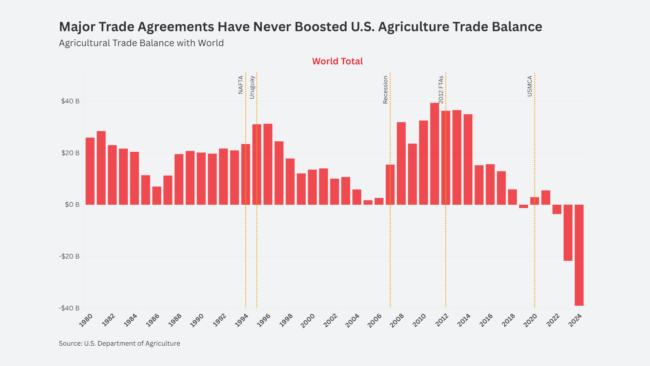
Decades of free trade agreements have led to a record $39 billion agricultural trade deficit in 2024, undermining the broader U.S. agricultural industry.
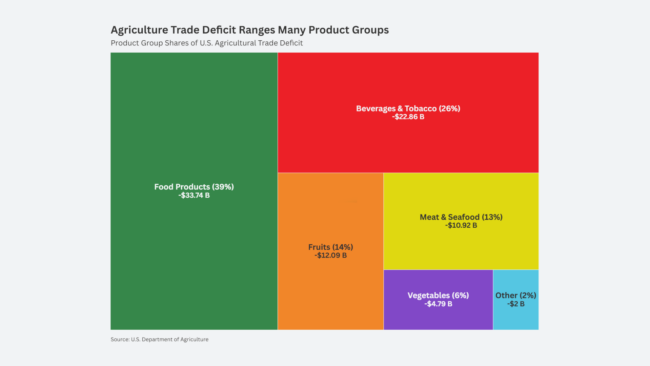
The United States is now on pace to reach a $39 billion agricultural trade deficit in 2024 amid all-time record imports.
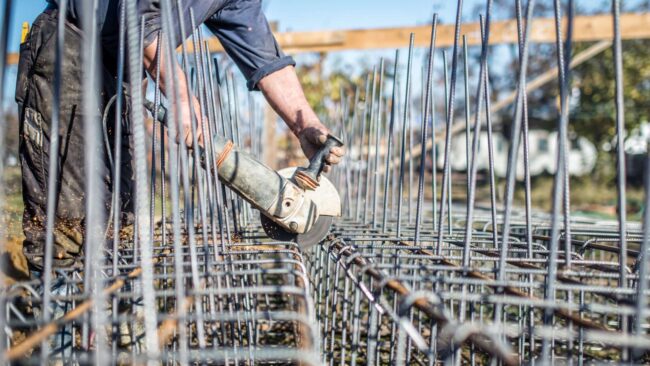
The continued influx of ever cheaper steel imports, particularly steel rebar and steel wire rod, is posing a serious threat to U.S. steel producers.
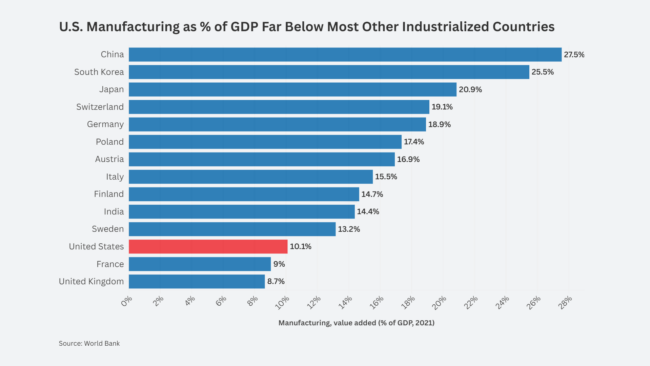
U.S. manufacturing has fallen from 21-25% of GDP in 1950s to about 10% today. The decline is worse than the average of first world developed countries. The result is an unbalanced economy excessively dominated by services and imports.

Keynes believed that free trade could exacerbate domestic unemployment and economic imbalances and argues for the use of tariffs and trade protections to safeguard national industries, preserve employment, and promote the balance of trade.
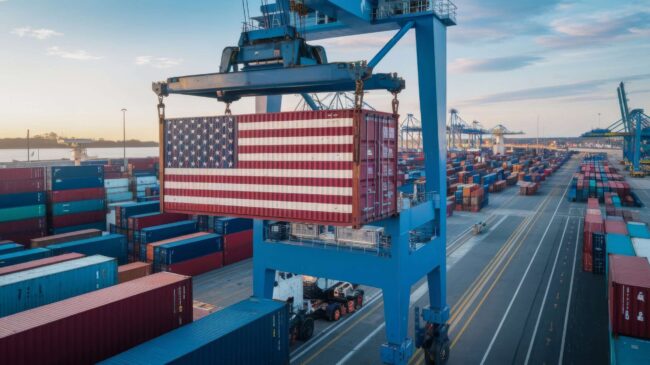
Tariffs are becoming widely accepted by U.S. politicians and policymakers as an important tool for maintaining and rebuilding our industrial economy. But quotas, a related tool, can sometimes work better to restrain imports and encourage growth in domestic production, investment and jobs.

Tariffs are a progressive policy that reverse the negative economic effects of free trade, creating good-paying jobs, boosting working-class income, and reducing income inequality.

Proposals for new tariffs face a lot of criticism these days, from the media, from economists, and from foreign policy types. Part of the reason is that it’s Donald Trump making the proposals and many in those groups don’t like Trump. But the fact is that tariffs can work to build our economy. They have worked before and they have worked recently as well.