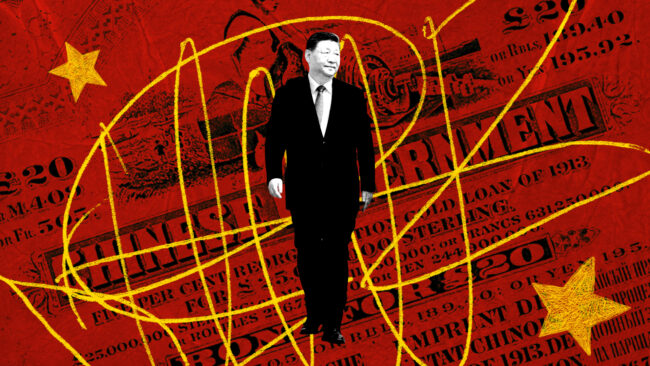
Beijing Wants Its Money From 1997. American Bondholders Have Been Waiting Since 1938.
The CCP is ready to look back decades for taxes owed to it — but not for the sovereign bond obligations it owes to thousands of American families.



The CCP is ready to look back decades for taxes owed to it — but not for the sovereign bond obligations it owes to thousands of American families.
To reduce the deficit in a durable way, the United States must do more than tariff goods. It must tariff the money.
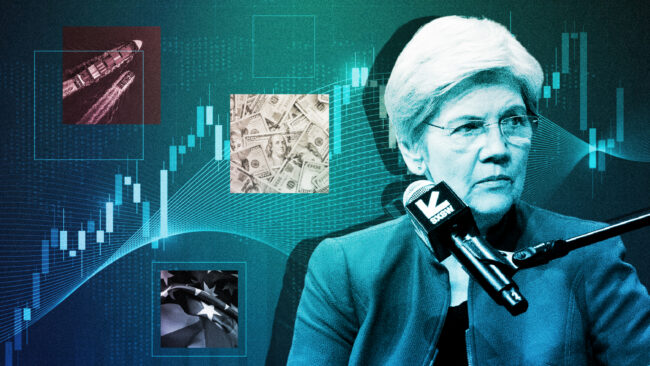
The development of GTAP-USL economic model marks another step forward in our efforts to make the GTAP more realistic and a better predictor of the real-world effects of trade policies or trade shocks. It’s critical to build models that provide a better understanding of how policies impact people, families, racial groups, gender, cities and regions. There is still more work to be done.

Realigning the dollar would be the most comprehensive and effective move to address the U.S. competitive disadvantage. It can be done either by a multilateral intervention agreement, or a MAC, which would be a federal tool to moderate foreign investment in dollar financial assets.
A Market Access Charge (MAC) might be the perfect addition to the tariff agenda; a surgical tool to tax capital inflows.
CPA announced key leadership changes as CEO Michael Stumo steps down to take on a new role in the Trump administration. Jon Toomey has been elevated as President of CPA to lead the organization and Nick Iacovella has been promoted to Executive Vice President.

Valentine will bolster CPA’s advocacy efforts at the federal, state, and local levels, working to advance pro-American trade and economic policies that support domestic manufacturing, strengthen supply chains, and protect American workers.

Widely regarded as one of the nation’s leading experts on tariffs, industrial policy, economic modeling, and trade policy, Ferry’s contributions to CPA and the broader economic policy landscape have been transformative.
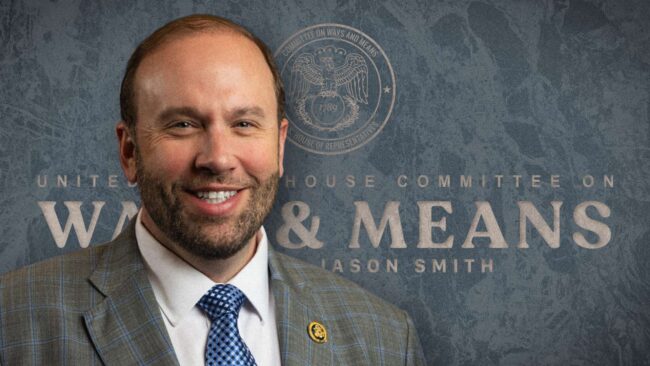
CPA is proud to support Chairman Smith as he continues to champion policies that prioritize American workers and to rebuild our nation’s productive capacity.
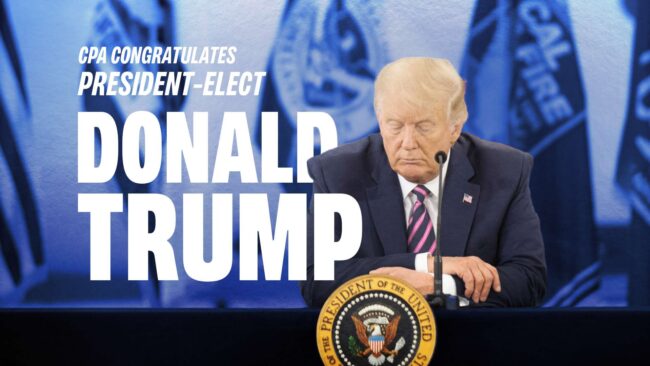
CPA will be working closely with President-Elect Trump’s team to craft policies that will make a lasting impact on U.S. trade and industrial policy.