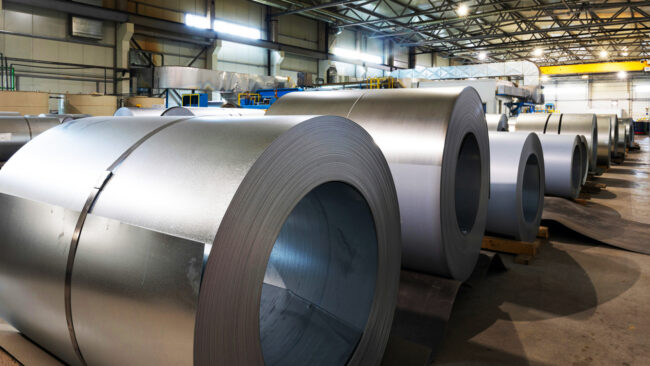
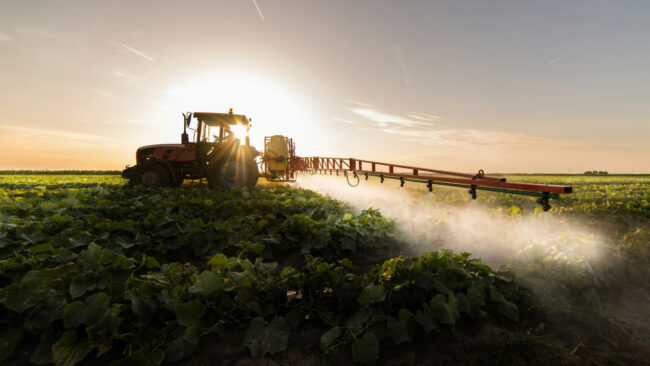
Days off the Trump-Xi meeting, four Members of Congress are currently pushing a more structural and long-term China-risk-reduction agenda than the Trump administration is pursuing through the bilateral relationship.
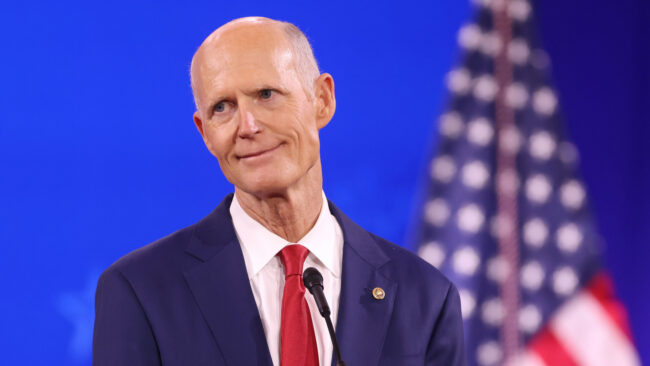
Chairman Rick Scott (R-FL) of the Senate Aging Committee made a prediction during a hearing on domestic generic drug manufacturing on Wednesday, saying that his CLEAR Labels Act will become law this year.
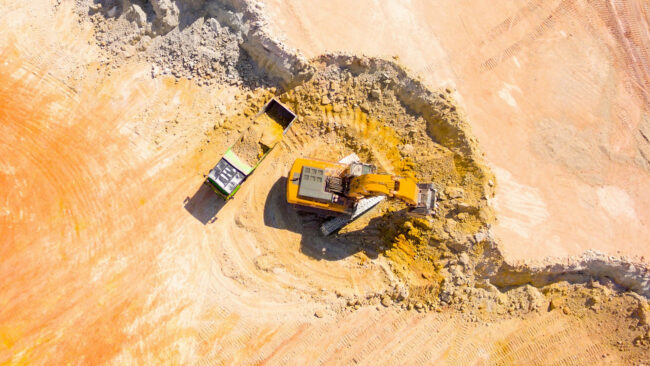
A Sept. 2 House Ways & Means Committee hearing on critical minerals had both members and witnesses suggesting that countries the U.S. relies on for these hard-to-mine, harder-to-process minerals be granted trade preferences.
Late on Friday, August 21, the tentative U.S.–Canada trade agreement collapsed, shortly before new tariffs took effect. Market reporting centered on cutting the Section 232 tariff on Canadian primary aluminum to 25 percent, and the concession was poised to reach fabricated aluminum products as well.
In one August week, Washington reopened the border to Mexican cattle, expanded low-tariff beef imports, and finally turned to the packers. Only one targets the real problem.
Mexico’s top trade diplomat, Marcelo Ebrard, was in Washington for several days last week [from Aug. 24 to Aug. 26] but quietly left empty handed on Wednesday.
Today’s Section 232 proclamation secures that foundation, and the entire structure is built to reward one thing: manufacturing in America. Companies investing in U.S. polysilicon, wafer, and cell production are the clear winners, and companies that continue to rely on imports will be at a disadvantage.
Findings show that U.S. tariff policy leaves the aluminum industry’s largest employment base exposed, even as primary aluminum tariff costs are passed on to extruders and fabricators.
U.S. aluminum tariff policy must consider the full aluminum value chain. Downstream extruders and fabricators account for most aluminum manufacturing employment and are the key producers converting metal into critical products used in construction, transportation, machinery, electrical systems, packaging, defense, and other industrial markets.
New CPA report finds America’s food security depends on fertilizer, and that foreign supply shocks—not U.S. trade remedies—are driving this year’s fertilizer crisis.





![Mexico’s top trade diplomat, Marcelo Ebrard, was in Washington for several days last week [from Aug. 24 to Aug. 26] but quietly left empty handed on Wednesday.](https://prosperousamerica.org/wp-content/uploads/2026/09/claudia-sheinbaum-650x366.jpg "claudia-sheinbaum")