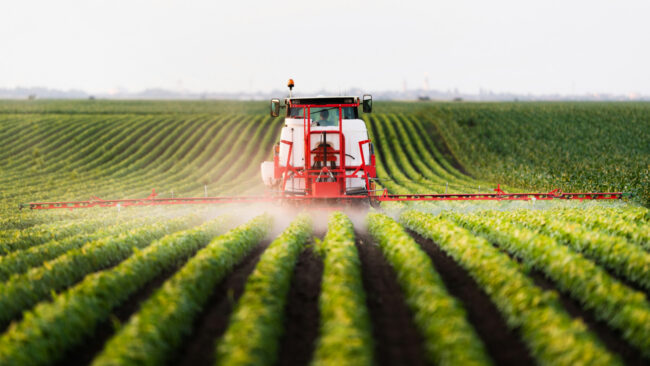
Fertilizer, and access to it, is essential in maintaining the strength of the entire American agricultural sector. Mineral fertilizers are responsible for over half the food produced worldwide, and it has run up to 44 percent of corn operating costs and up to 45 percent of wheat operating costs since 2020. When fertilizer prices spike, they hit the crops that feed the country — and the livestock fed off those crops.
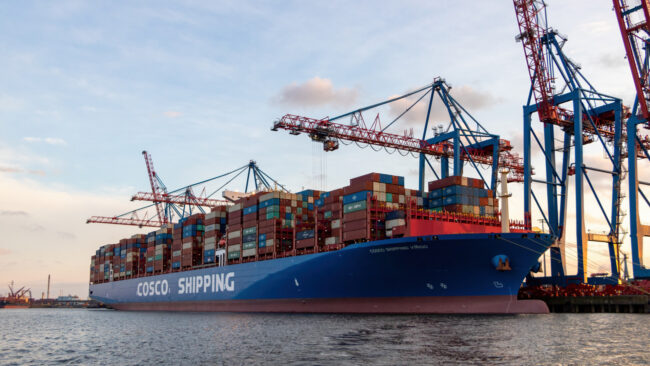
The 2026 Jones Act waiver has not been shown to meet its legal test, opened America’s coastwise trade to Chinese- and Russian-linked ships, and produced no demonstrated national fuel-price relief. It should expire on August 16.
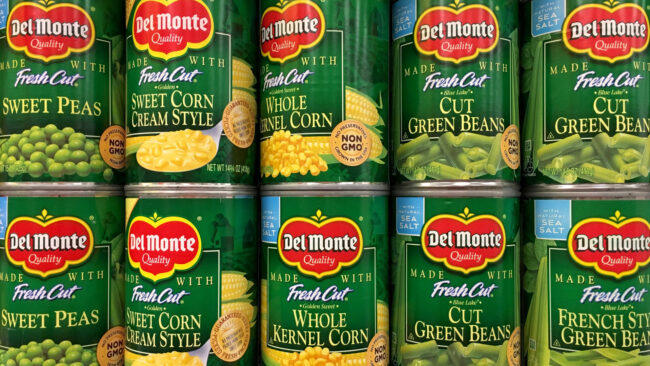
President Trump’s revision to the steel tariff in 2025 was meant to fix the tariff inversion problem – situations where we tariff steel imports, but not things made of steel. Putting a tariff on metal can imports, but not metal cans filled with food, is a perfect example of mindless tariff inversion driving offshoring. This precise problem was solved and settled in 1930, and Commerce and USTR can fix it at any time with existing authority.
For years, the most critical link in our drug supply chain — the upstream chemistry — has been invisible to our own regulators. A medicine finished in Europe is not necessarily a European medicine, and this rule finally begins to expose that fiction.
Last week, the White House declared an emergency under Section 318 of the Tariff Act of 1930 and suspended, for eight months, the collection of anti-dumping and countervailing duties on phosphate fertilizer from the Kingdom of Morocco.
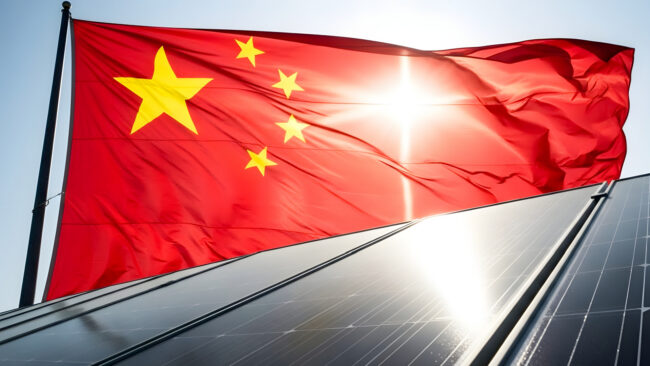
Years ago, CPA warned that China was using American clean-energy tax credits to capture our solar industry — and we led the fight to slam that door shut.
President Trump might be fine with upending the United States-Mexico-Canada Agreement (USMCA) ahead of the July 1 review deadline, but the House Agriculture Committee is not.
The government increasingly sees critical minerals, battery materials and components, and refining as strategic industrial assets rather than low value goods often burdened by environmental regulations.