For years, the de minimis loophole allowed foreign shippers to send packages valued at up to $800 into the United States duty-free, tax-free, and with virtually no customs scrutiny — so long as the foreign vendor merely alleged the value was below the threshold.
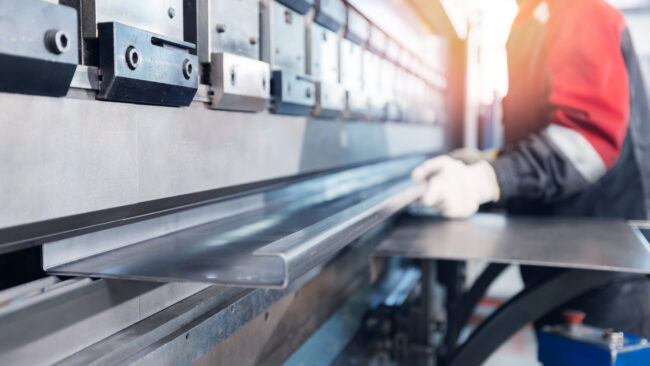
Findings show that U.S. tariff policy leaves the aluminum industry’s largest employment base exposed, even as primary aluminum tariff costs are passed on to extruders and fabricators.
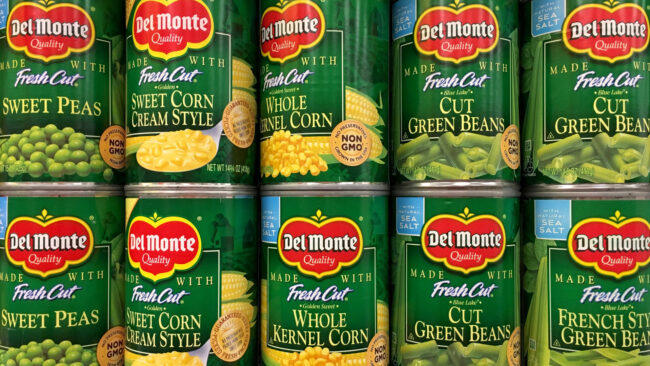
President Trump’s revision to the steel tariff in 2025 was meant to fix the tariff inversion problem – situations where we tariff steel imports, but not things made of steel. Putting a tariff on metal can imports, but not metal cans filled with food, is a perfect example of mindless tariff inversion driving offshoring. This precise problem was solved and settled in 1930, and Commerce and USTR can fix it at any time with existing authority.
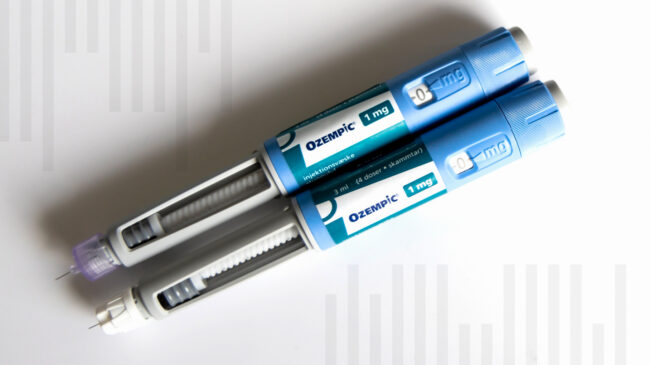
Last year, Americans spent more than $15 billion on Novo Nordisk’s diabetes and weight-loss drugs Ozempic and Wegovy. The active ingredient in both treatments — semaglutide— has rapidly become one of the world’s most commercially successful medicines.
President Trump has made American reindustrialization and reshoring central to his economic policy agenda. Reviving American manufacturing enjoys broad public support and has increasingly become a bipartisan priority.
CPA’s submission, “Ensuring U.S. Sovereignty in North American Trade,” concludes that the current trilateral USMCA framework binds two vastly different economies to one unenforceable system—with each reliant on the far larger U.S. consumer market.
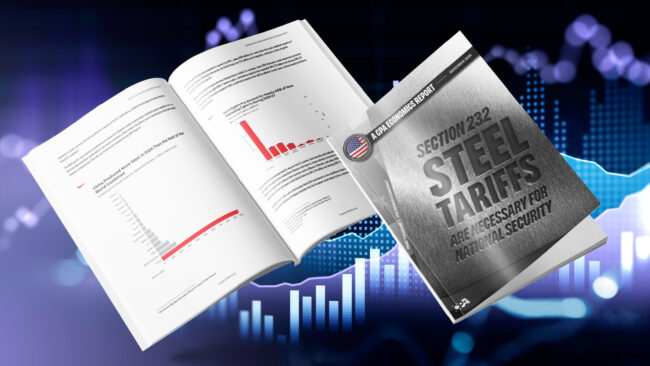
The report, titled “Section 232 Steel Tariffs are Necessary for National Security,” highlights how the Trump administration’s Section 232 tariffs have revitalized American manufacturing, created jobs, and strengthened national security.
Witnesses at a Senate hearing on Wednesday, Oct. 29 titled “The Future of Biotech” discussed ways to facilitate reshoring and making it attractive to expand in the U.S. and conduct R&D here instead of in China.
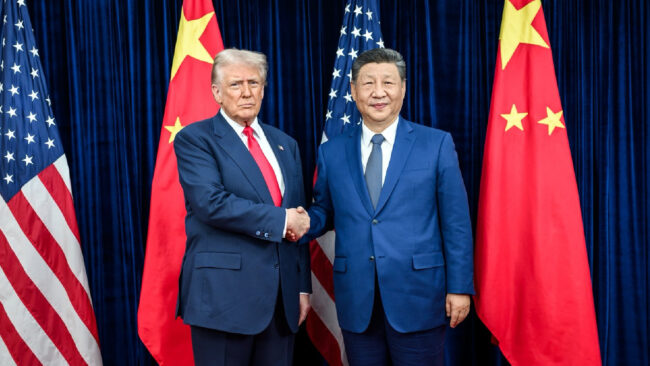
President Trump has already made the most important deal of his life—his promise to the American people to end U.S. dependence on China and rebuild our domestic industrial capacity.
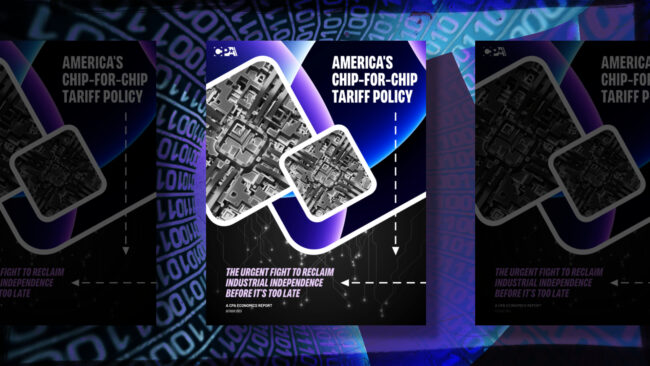
The report, titled “America’s Chip-for-Chip Tariff Policy: The Urgent Fight to Reclaim Industrial Independence Before It’s Too Late,” finds that the United States now produces only 10 percent of the world’s chips—and almost none of the most advanced ones—while China has captured the majority of global capacity for legacy chips, the mature semiconductors essential to cars, medical devices, and industrial equipment.