


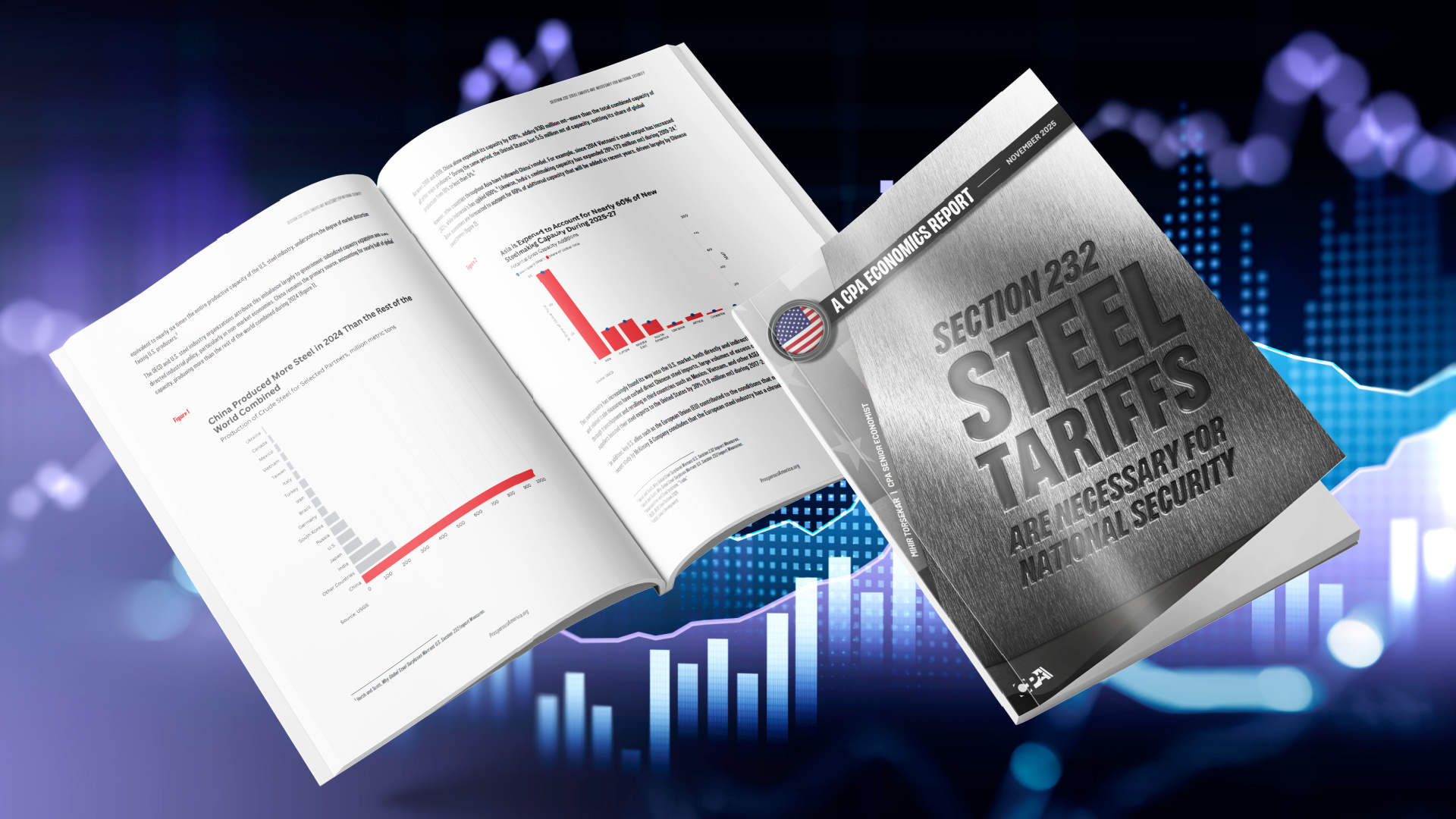
WASHINGTON, D.C. — The Coalition for a Prosperous America (CPA) today released a new report by its economics team detailing how global overcapacity and state-subsidized foreign steel continue to threaten the U.S. industrial base. The report, titled “Section 232 Steel Tariffs are Necessary for National Security,” highlights how the Trump administration’s Section 232 tariffs have revitalized American manufacturing, created jobs, and strengthened national security. The Trump administration first imposed 25% 232 tariffs in 2018, and the administration’s updated 2025 232 steel tariffs have now restored comprehensive coverage, expanded tariffs to downstream products, and raised the statutory rate to 50%—actions that have re-established their intended effectiveness.
“U.S. steelmaking is being revitalized by the Trump administration’s Section 232 tariffs, which have driven record investment, stabilized employment, and reduced import dependence, all without fueling inflation,” said Jon Toomey, President of CPA. “Steel is the backbone of America’s industrial strength. This new CPA report proves that these measures must be sustained and enforced if the United States is to preserve a secure and competitive domestic steel industry that underpins our national defense and economic resilience.”
CPA’s reporting details how despite concerns, and some news coverage hedging toward the contrary, independent reviews have shown that Section 232 tariffs were not inflationary. Unfortunately, between 2019 and 2024 the benefits of the Section 232 tariffs were diluted by exemptions, tariff-rate quotas, and product exclusions allowing for as much as 72% of imported steel to enter duty-free, by volume. Imports from Canada, Mexico, and the EU surged by several million tons, and the average effective tariff rate fell to 4–5%.
Meanwhile, as CPA’s economic analysis shows, global excess capacity would remain severe, with 2024 world steelmaking capacity reaching nearly six times that of U.S. output—and China alone holding almost half of world capacity. As India, Vietnam, and Indonesia continue their rapid expansion – much of it financed by Chinese subsidies – without strong trade defenses, the U.S. market will remain the outlet for this glut.
“The course of action for American policymakers is clear,” said the author of this report, CPA Senior Economist Mihir Torsekar. “The administration must retain and enforce 50% Section 232 steel tariff coverage with no exemptions, exclusions, or alternative arrangements until global overcapacity is resolved. Doing this will ensure that the U.S. maintains a strong steel base capable of supporting both America’s economic prosperity and its defense needs.”
KEY POINTS
➔ Steel tariffs protect national security. Domestic steel production underpins the U.S. defense industrial base, supplying specialty steels used in tanks, submarines, aircraft carriers, armored vehicles, and the electric grid ensuring the nation is not dependent on foreign sources for critical materials.
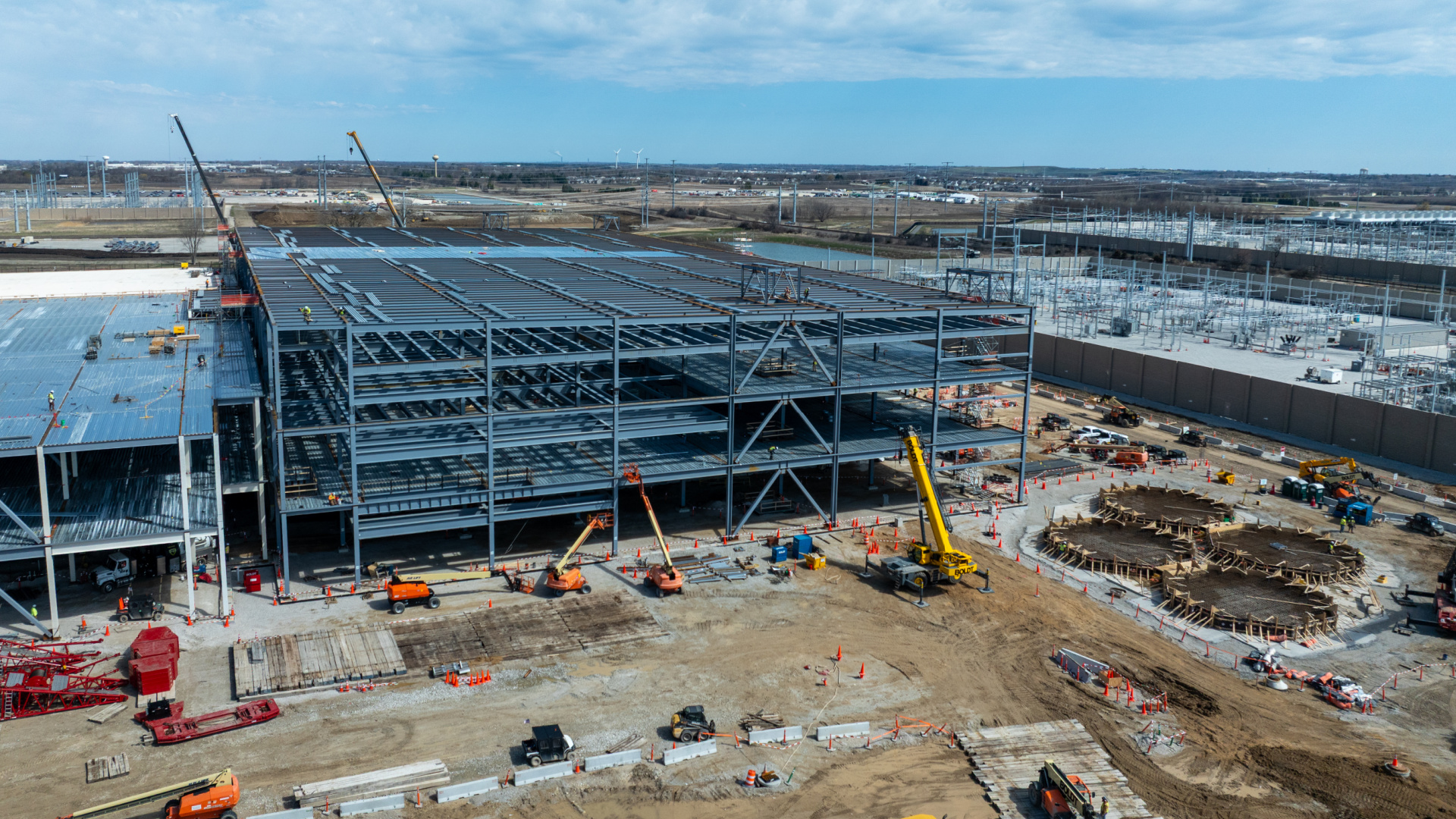
➔ Section 232 tariffs revitalized U.S. steelmaking. Since 2018, 21 million metric tons (MT) in new and expanded capacity have been announced or completed—the largest steel build-out in decades.
➔ Capacity utilization reached sustainable levels. Prior to the 232 tariffs, U.S. capacity utilization rates remained fixed at around 70% but quickly climbed to 81% within 8 months of the duties—the highest rates since 2007. However, as more and more exemptions and alternative arrangements were granted during the 2018–2024 period, capacity utilization rates fell and remained below 80% after the short peak to 81%.
➔ Employment improved while wages remained strong. The steel sector added nearly 5,000 jobs between 2018–2019, with average annual wages around $88,000, far exceeding manufacturing averages.
➔ Tariffs did not cause inflation. The U.S. International Trade Commission (2023) found that downstream price impacts averaged 0.2% per year—too small to influence consumer prices. Inflation from the time the tariffs were first imposed to the beginning of the COVID-19 pandemic remained stable at 1.8%.
➔ Exemptions weakened tariff effectiveness. Between 2019 and 2024, 72% of imported steel entered duty-free due to exemptions and tariff rate quotas (TRQs) by volume, reducing the effective tariff rate to just 4–5% and allowing import surges from Canada, Mexico, and the EU.
➔ Global overcapacity remains the core challenge. In 2024, global steelmaking capacity reached 2.4 billion metric tons (MT) while production totaled 1.88 billion, leaving an excess of 543 million tons—nearly six times total U.S. capacity. China accounts for almost half of this glut.
➔ 2025 reforms restored policy strength. The second Trump Administration’s decision to raise the Section 232 rate to 50% and remove exemptions reinstated the tariffs’ effectiveness and lifted U.S. mill utilization near target levels.
CPA’s analysis underscores the urgent need to protect the Section 232 tariffs, which have continued to deliver concrete benefits in the form of substantial investments and boosted employment within the sector. CPA’s data also found that inflation fears were unfounded: from 2018–2020, there was no inflation spike, and steel costs remained a negligible share of consumer product prices. The real threat now lies in foreign subsidies and chronic global overcapacity, which, if left unchecked, will continue to undermine U.S. industry and erode national security.
At the same time, the report identifies the need to apply specific tariffs–duties assessed per ton, rather than as a percentage of value—for products such as steel pipe and tube that are prone to undervaluation and transshipment.
To secure the future of the U.S. steel industry, CPA’s report calls for policymakers to adopt the following steps:
➔ Maintain 50% Section 232 tariffs coverage across all steel imports.
➔ Apply specific tariffs for high-risk, undervalued, or heavily transshipped products like pipe and tube to close enforcement loopholes.
➔ Prohibit exclusions, which weaken the impact of the tariffs by reducing the average effective tariff rate and have invited an upsurge of imports from exempted partners.
➔ Leverage tariff revenues to support research and development and invest in workforce training.
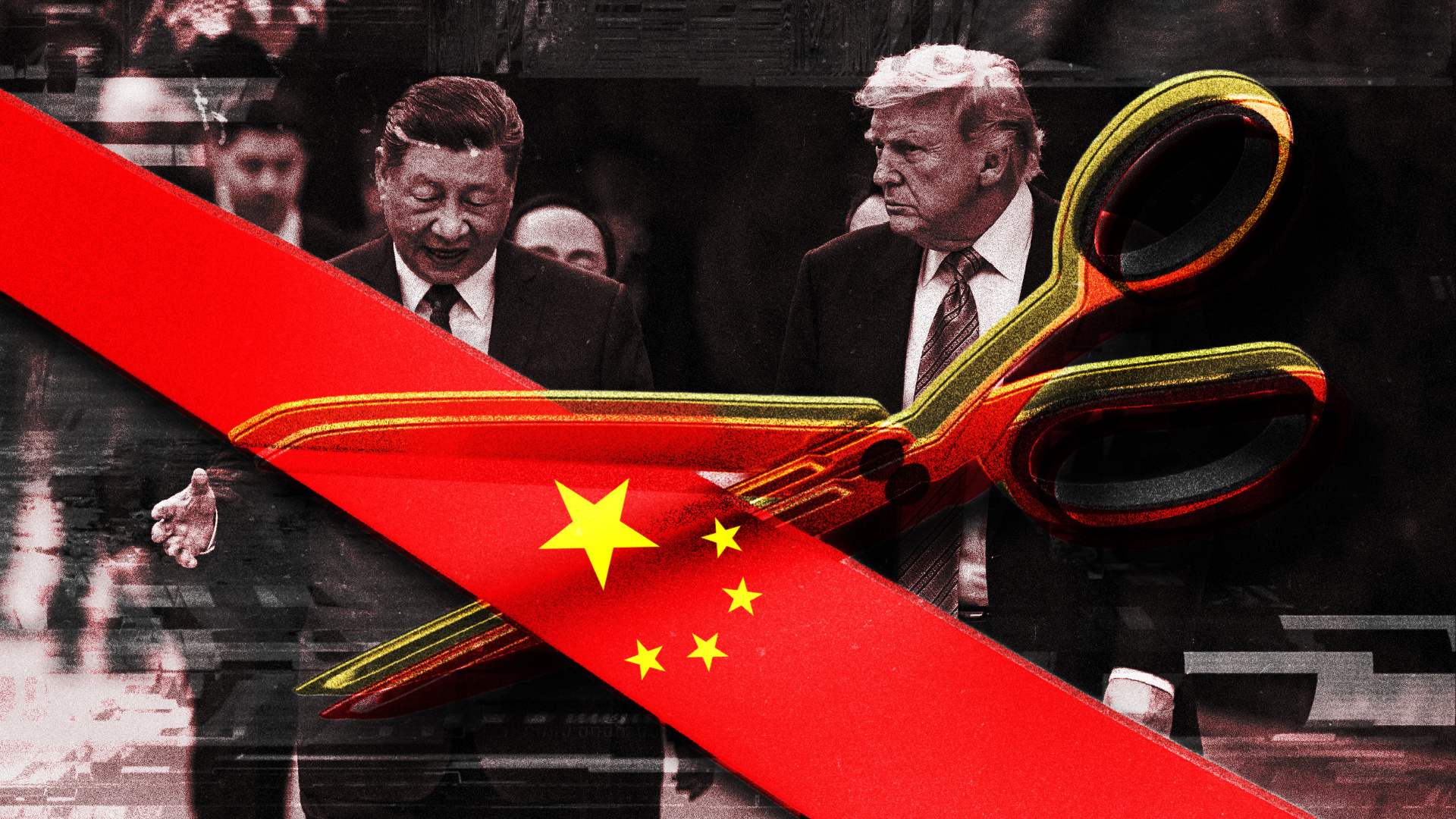
➔ Section 301 Tariffs: Broaden the existing China tariffs so they apply to any steel that is melted and poured in China, even if it is later processed or finished in another country.
➔ Trade Remedy Legislation: Pass the bipartisan Leveling the Playing Field 2.0 Act to give the Department of Commerce stronger authority to combat unfair trade practices.
➔ Modernize the USMCA to strengthen enforcement against non-North American circumvention and promote regional coordination: Strengthen the United States–Mexico–Canada Agreement (USMCA) to improve enforcement against circumvention and transshipment of non-North American steel through Canada and Mexico.
CPA’s findings illustrate how the United States steel industry has long struggled against the pressures of global overcapacity and unfairly priced, state-subsidized imports that have threatened national security. The 2018 tariffs were designed to curb the national security threat posed by constant surges of steel imports due to global overcapacity and provide an environment for the domestic industry to make necessary investments and rebuild its competitive position. The United States must recognize that products—such as steel pipe and tube—require a more targeted measure in the form of specific tariffs by weight or volume. Without such firm protections as stated in the report, the U.S. steel sector risks falling back into the cycle of low utilization, financial instability, and plant closures that characterized the pre-2018 period.
About the Report:
“Section 232 Steel Tariffs are Necessary for National Security” provides an
integrated economic, industrial, and national security analysis of the second Trump administration’s ongoing steel tariff initiative, and its revisions made in 2025 following original implementation in 2018. The report models how since implementation, the Section 232 measures have spurred new investments, raised output, improved capacity utilization, and slowed import penetration across most categories of steel.
Download the full report: Click here to read “Section 232 Steel Tariffs are Necessary for National Security.”
# # #