


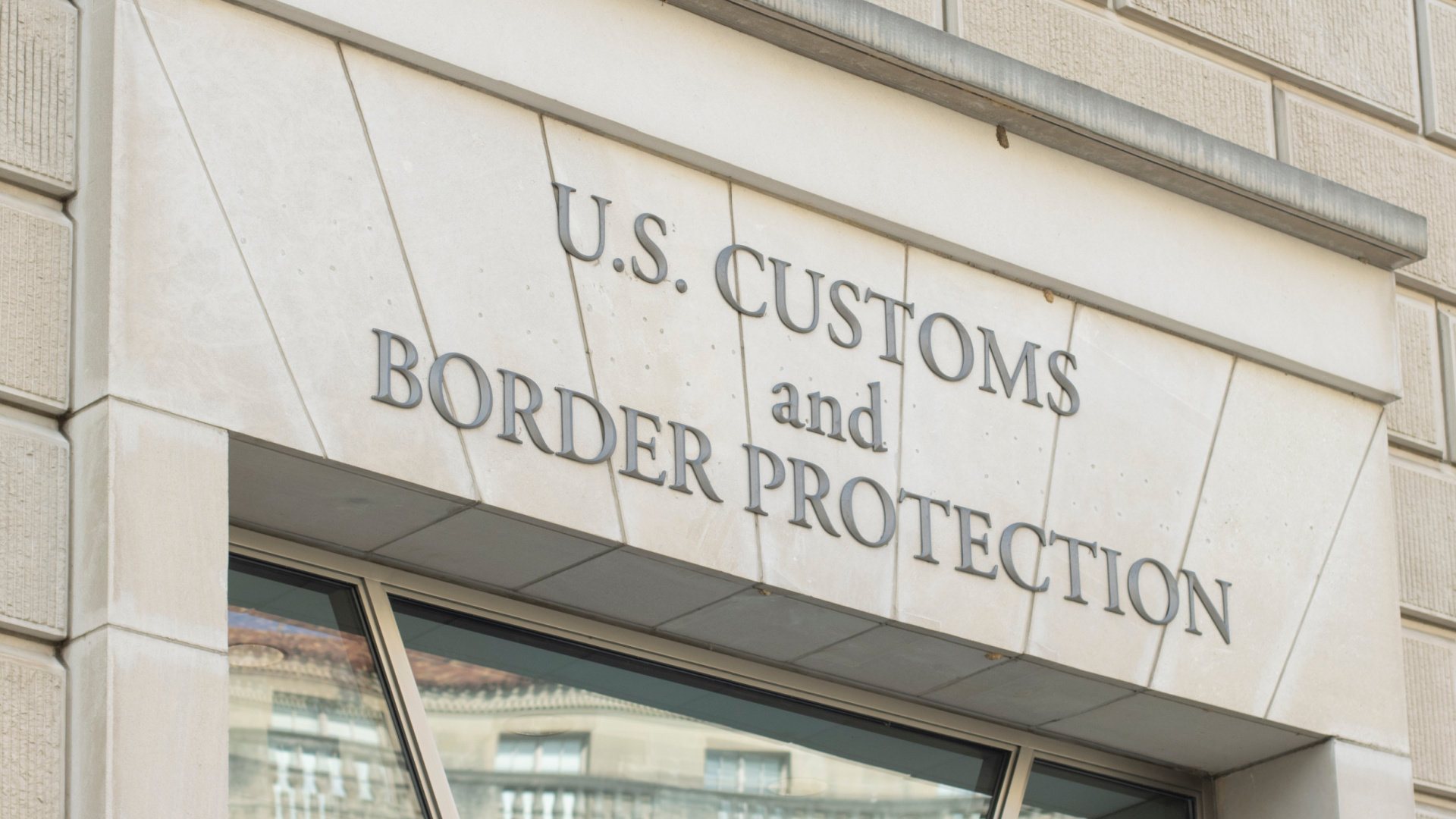
WASHINGTON, D.C. — The Coalition for a Prosperous America (CPA) today welcomed President Trump’s executive order, Strengthening Customs Enforcement, calling it the most significant overhaul of importer accountability in a generation and a direct answer to reforms CPA has championed for years.
For too long, foreign actors with no real U.S. presence have been able to import into the American market while shielding themselves from the duties, penalties, and laws that domestic producers and legitimate U.S. importers must obey. The order takes aim squarely at that imbalance.
Among its key provisions, the order:
- Bars foreign importers of record (IORs) from using the informal-entry process for low-value shipments, closing a channel that foreign sellers have exploited to flood the market while facing minimal penalty exposure;
- Prohibits foreign IORs from relying on continuous bonds for formal entry and requires them to be CTPAT-validated or to file through a CTPAT-validated U.S. customs broker;
- Raises minimum bond coverage and requires importers of record to maintain a minimum level of tangible domestic assets, so there is something real behind every entry to satisfy duties and penalties;
- Requires beneficial-ownership, business-affiliation, and domestic-asset disclosures, and directs CBP to scrub the IOR registry, remove inactive importers, and assign risk-based tiers;
- Establishes a “good standing” requirement and bars bad actors — including those caught importing fentanyl, nitazenes, and precursor chemicals — from importing at all;
- Sets a penalty floor of not less than 50 percent of the assessed penalty and eliminates mitigation for repeat offenders;
- Prioritizes enforcement against forced labor, misclassification, undervaluation, and illegal transshipment, including Enforce and Protect Act (EAPA) investigations; and
- Requires foreign exporters to hand CBP the same documentation they filed with their own country’s customs administration — a powerful new tool against undervaluation and origin fraud.
“This order goes to the heart of a problem CPA has been sounding the alarm on for years: a customs system that lets foreign importers operate with no skin in the game while American producers play by every rule,” said Charles Benoit, trade counsel at the Coalition for a Prosperous America. “Requiring real domestic assets, real bonding, and real accountability — and shutting foreign importers of record out of the loopholes they have abused — restores the basic principle that if you want to sell into the American market, you must be answerable to American law. We urge CBP to implement these reforms aggressively and Congress to write them permanently into statute.”
The order restores a principle CPA has fought to defend: that anyone selling into the American market must have a real financial stake in their imports and be answerable to U.S. law. For years, a customs-deregulation agenda advanced through advisory-committee back channels hollowed out importer accountability and reduced penalties to, in CPA’s words, a mirage. By demanding tangible domestic assets, real bonding, beneficial-ownership transparency, and meaningful penalties with a hard floor, the order begins to undo that damage.
“America’s trade laws only work if the people importing goods into this country are residents subject to U.S. jurisdiction,” said Jon Toomey, president of the Coalition for a Prosperous America. “For years, non-resident importers have been allowed to operate behind a veil, using weak bonding requirements and customs loopholes to evade duties, dodge penalties, and undercut domestic producers. This executive order begins to reverse that imbalance by putting real consequences behind customs enforcement and reaffirming a simple principle: if you want access to the American market, you must play by American rules.”
CPA particularly welcomes the order’s directive that the Secretary of Homeland Security deliver legislative recommendations to strengthen customs enforcement within 45 days. Executive action is the right start; durable reform requires Congress to codify these protections so they cannot be unwound by a future administration.
CPA looks forward to working with the Administration and Congress to ensure these reforms are implemented in full and built upon — including by ending duty-free de minimis treatment for good and restoring a customs regime that defends, rather than disadvantages, those who manufacture and grow in the United States.
# # #