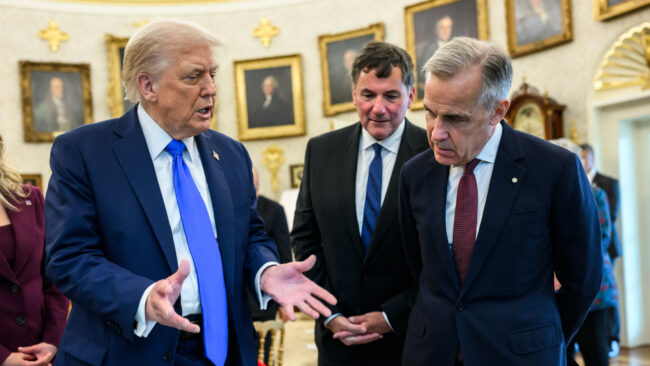
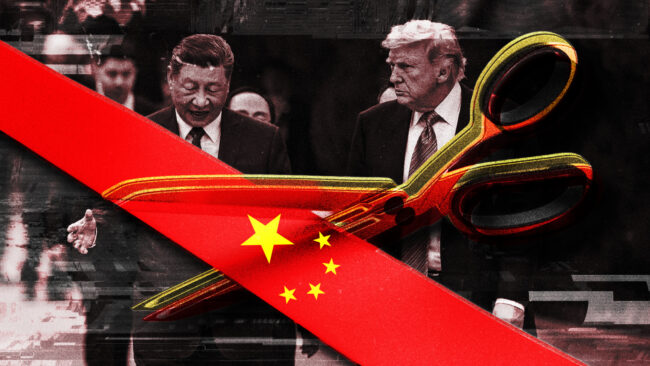
Treasury Secretary Scott Bessent says the United States and China are considering lowering tariffs on “noncritical” items — the consumer goods that fill American shopping carts — as part of the package being assembled around this week’s Trump-Xi summit.
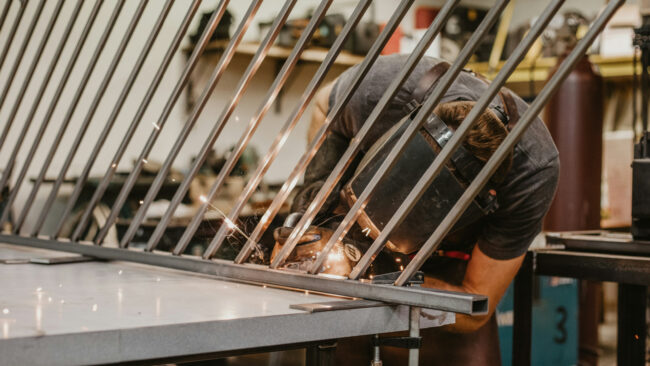
Ambassador Greer and his team at USTR deserve enormous credit. Rather than trading away the Section 232 protections American producers rely on, they strategically raised the tariff on downstream aluminum products, providing a necessary buffer to offset the difference in the cost of aluminum in Canada versus the United States.
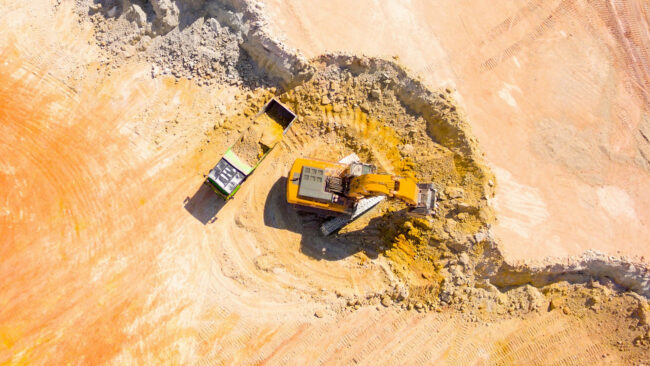
A Sept. 2 House Ways & Means Committee hearing on critical minerals had both members and witnesses suggesting that countries the U.S. relies on for these hard-to-mine, harder-to-process minerals be granted trade preferences.
Late on Friday, August 21, the tentative U.S.–Canada trade agreement collapsed, shortly before new tariffs took effect. Market reporting centered on cutting the Section 232 tariff on Canadian primary aluminum to 25 percent, and the concession was poised to reach fabricated aluminum products as well.
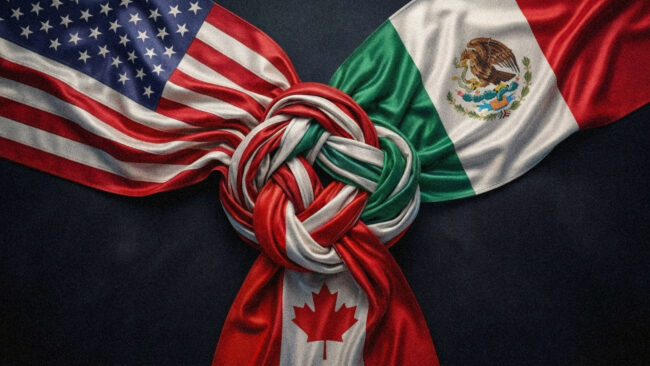
The collapse of the U.S.-Canada trade deal is providing a rare glimpse into the secret world of international trade negotiations. Beyond just the insider view, we are being given hope that the mirage of “Fortress North America” can be put to rest.
The July goods deficit hit a record for the year at $119.59 billion, according to Thursday’s data from the U.S. Bureau of Economic Analysis (BEA). If oil and gas export values are removed, the goods gap with the world for July comes in at $128.55 billion.
In one August week, Washington reopened the border to Mexican cattle, expanded low-tariff beef imports, and finally turned to the packers. Only one targets the real problem.
Mexico’s top trade diplomat, Marcelo Ebrard, was in Washington for several days last week [from Aug. 24 to Aug. 26] but quietly left empty handed on Wednesday.
The collapse of the U.S.-Canada trade negotiation on August 21 drew headlines and criticism aimed at Washington. What the criticism misses is that the deal on the table would have undercut a key plank of U.S. reindustrialization policy and a vital supply line for national security.





![Mexico’s top trade diplomat, Marcelo Ebrard, was in Washington for several days last week [from Aug. 24 to Aug. 26] but quietly left empty handed on Wednesday.](https://prosperousamerica.org/wp-content/uploads/2026/09/claudia-sheinbaum-650x366.jpg "claudia-sheinbaum")