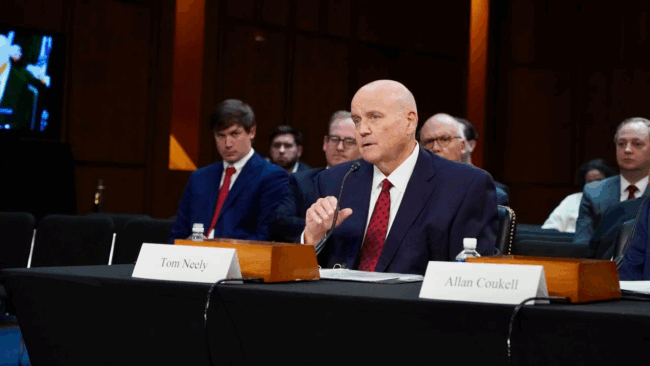
The Senate Special Committee on Aging was back at it this week discussing the woeful predicament of the domestic generic drug industry and its import-facing supply chain. This time, the Committee heard from four generic drug makers opposed to advocacy groups and Washington think tanks.
The Commerce Department should look to 7 C.F.R. Part 6 as a terrific example of how USDA has ensured that quota allocation benefits domestic manufacturers, not speculators.
The August trade deficit fell a significant 23.8%, with exports flat and imports down 5% due in large part to the 90-day reprieve from the so-called “Liberation Day” tariffs expiring.
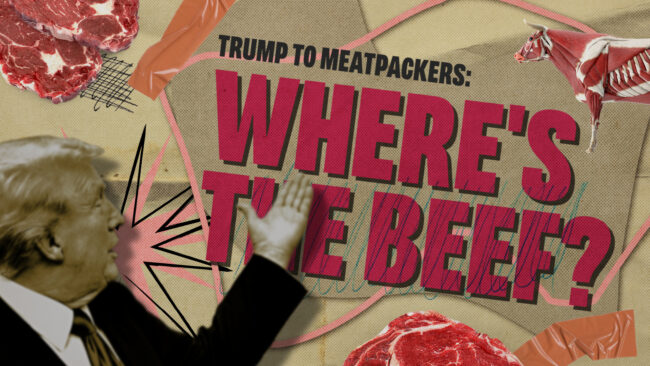
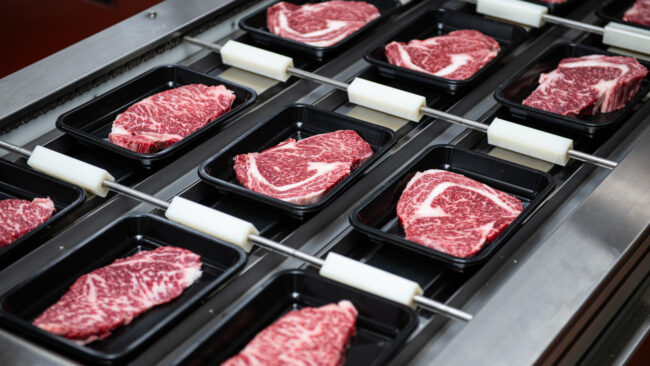
If Argentina imports aren’t lowering supermarket beef prices, perhaps an investigation into the cartelization of the big, globalist meat packers will finally have an impact?
CPA’s submission, “Ensuring U.S. Sovereignty in North American Trade,” concludes that the current trilateral USMCA framework binds two vastly different economies to one unenforceable system—with each reliant on the far larger U.S. consumer market.
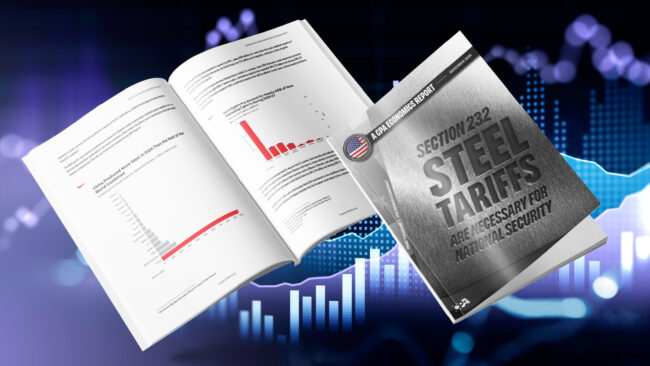
The report, titled “Section 232 Steel Tariffs are Necessary for National Security,” highlights how the Trump administration’s Section 232 tariffs have revitalized American manufacturing, created jobs, and strengthened national security.
KEY POINTS Beef prices are at record highs—not because of U.S. ranchers or tariffs, but because dependence on foreign imports and meatpacker consolidation have distorted
President Trump has already made the most important deal of his life—his promise to the American people to end U.S. dependence on China and rebuild our domestic industrial capacity.
There are very few things that Democrats and Republicans agree on. One of them is the need to support domestic shipbuilding beyond just military vessels.