



Domestic Steel and Aluminum Industries Should Not Be Used as Pawns in Negotiations
WASHINGTON, D.C. — The Coalition for a Prosperous America (CPA) today urged the Trump administration to refocus attention on the challenges facing America’s metal fabricators — a critical sector of the domestic industrial base — and ensure that Section 232 steel and aluminum measures remain firmly centered on rebuilding U.S. production capacity. Domestic steel and aluminum are vital industrial sectors that should not be used as pawns in trade deals to advance the interests of Big Tech.
On Monday, Bloomberg News reported on an interview with U.S. Secretary of Commerce Howard Lutnick. In that interview, Secretary Lutnick called on the European Union to roll back rules governing Big Tech. The Secretary then said: “In exchange for that, we will come up with a cool steel and aluminum deal.”
Trading away aluminum and steel workers’ home market in exchange for padding Big Tech’s bottom line overseas is immoral and wrong. The Section 232 actions on aluminum and steel should be singularly focused on rebuilding domestic output across the supply chains, not used as leverage to help Google and Meta become even more profitable.
“Section 232 actions exist to strengthen America’s industrial resilience — not to become bargaining chips in unrelated negotiations,” said Jon Toomey, President of CPA. “Metal fabricators form the backbone of the U.S. supply chain. They deserve policies that reflect their importance to both our manufacturing economy and our national security. On Black Friday and throughout the holiday season, American consumers will still be buying barbeques and gun safes made in China, and AI data centers will be buying steel conduit made in Mexico — even though we have ample domestic capacity to produce these goods here at home with American steel.”
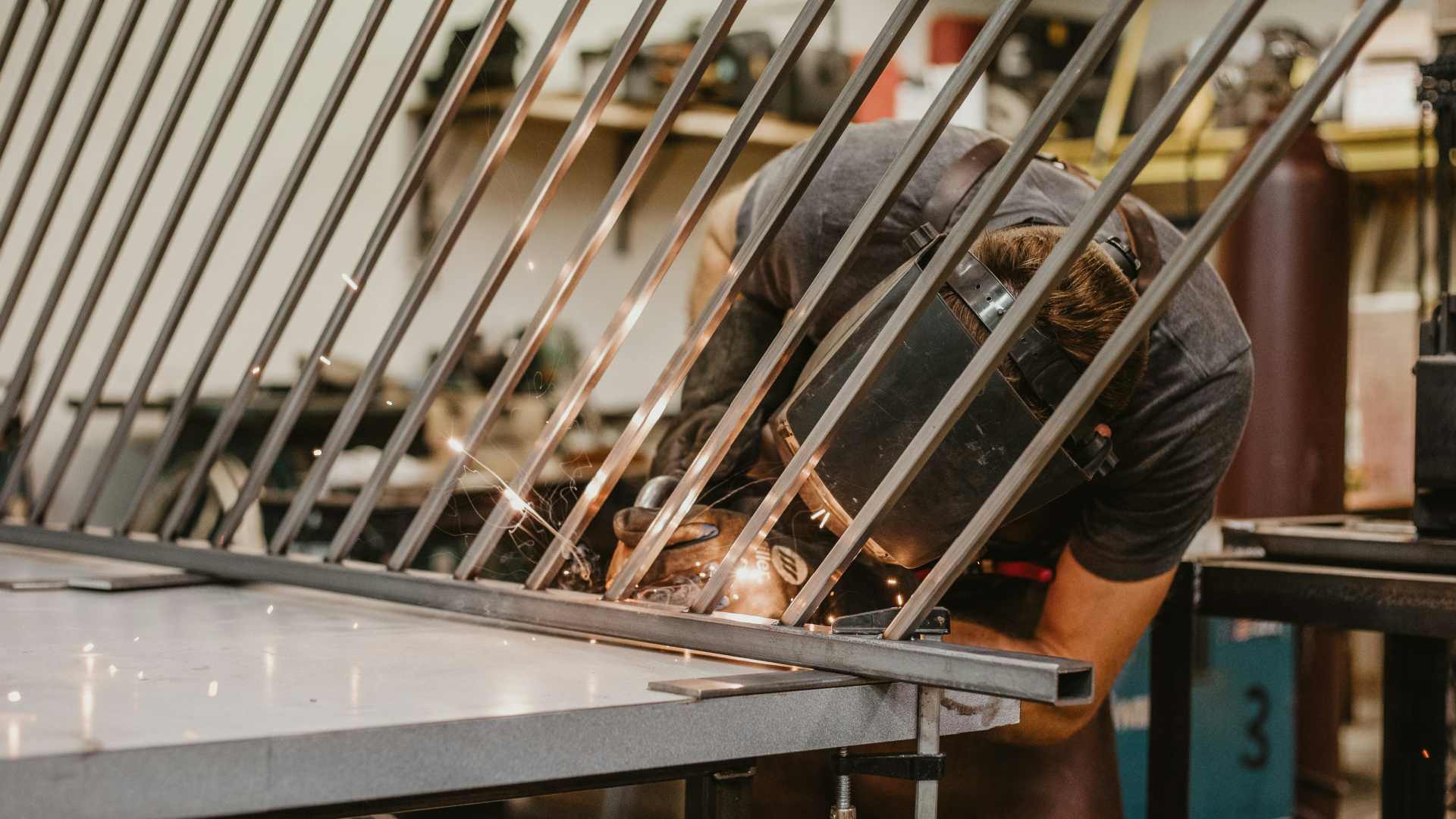
Over the past year, several policy adjustments have unintentionally increased pressure on domestic metal fabricators. These critical defects have especially harmed downstream metal fabricators, who represent the vast majority of jobs and value-add in the metal supply chains.
- February: The Section 232 steel and aluminum actions were modified, so as to waive the imports on downstream steel and aluminum products if the foreign fabricator used domestic steel and aluminum. The logic for such a move is not at all apparent, given that domestic steel mills and aluminum smelters cannot satisfy domestic demand. The effect is thus to displace domestic fabricators — the mills and smelters’ best customers — with overseas customers, who inevitably enjoy lower labor costs and less stringent environmental rules.
- April: At a time when American metal fabricators were already facing increasing costs for their purchases of U.S. steel and aluminum, the Administration waived aluminum and steel tariffs on automotive parts from Canada and Mexico. This practice is known as “tariff inversion”, which is what occurs when the tariff on an imported input is higher than the tariff on the corresponding finished good imported for U.S. consumption.
- June: The tariff inversion facing domestic metal fabricators was drastically expanded as a new steel and aluminum Proclamation modified the tariff actions to limit the tariff’s applicability to the metal content of the import. Essentially, the importer was expected to ask the overseas fabricator what they recalled paying for the metal used in their product, and the tariff was applied to this alleged, unverifiable transaction price. This approach is unworkable.
In aluminum, domestic fabricators face an even more difficult environment. U.S. primary smelters like Alcoa and Century Aluminum — which also operate foreign facilities — have raised domestic prices by the amount of the tariff even when no tariff is due, amplifying cost pressures on U.S. downstream manufacturers while providing no corresponding protection.
Across both materials, fabricators have been sounding the alarm for months. Many had hoped that the reshoring agenda of the Trump administration would translate into timely relief. But recent policy choices, paired with increased import penetration, have intensified their challenges.
Metal fabricators have been pleading with Commerce for months, hoping that the Administration would deliver on its reshoring promises. Instead, we see USTR trading away our aircraft supply chain to Malaysia and Cambodia in exchange for one-off Boeing airplane sales. Now this week, we hear the Commerce Secretary convey willingness to trade away even more home market access for Big Tech’s profits.
CPA is urging the administration to refocus on completing the reshoring agenda already underway and ensure that Section 232 maintains its original intent: to strengthen American production, protect critical supply chains, and support the workers at the heart of U.S. manufacturing.
“Metal fabricators are not asking for special favors,” Toomey said. “They are simply asking that the administration carry forward the America First principles that have guided so much of its trade policy. We urge the President’s trade team to return home, engage directly with domestic manufacturers, and ensure that Section 232 continues to support — not sideline — the American industrial base.”
# # #