As Capitol Hill debates what the future of the U.S. generic drugs industry will look like, another alarm bell has rung at the Food and Drug Administration (FDA). This time, imported semaglutide generics – similar to Ozempic – sold by a company called the Cheap Medicine Shop were issued an FDA Warning Letter for marketing a drug that had not been approved for sale in the U.S.
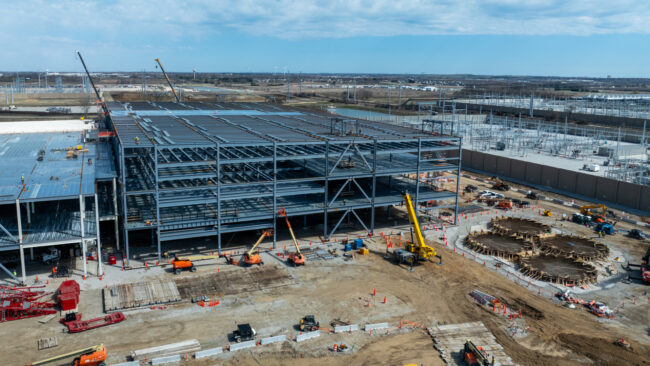
AI data center demand for semiconductors, computers and telecommunications equipment drove the goods deficit to its highest level of the year – coming in at $136.57 billion for August, according to the Bureau of Economic Analysis on Tuesday.
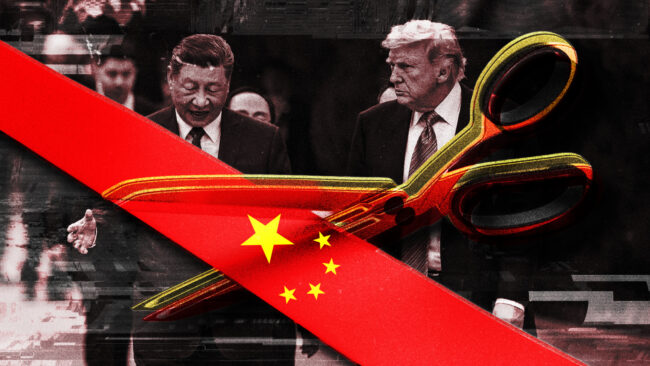
Days off the Trump-Xi meeting, four Members of Congress are currently pushing a more structural and long-term China-risk-reduction agenda than the Trump administration is pursuing through the bilateral relationship.
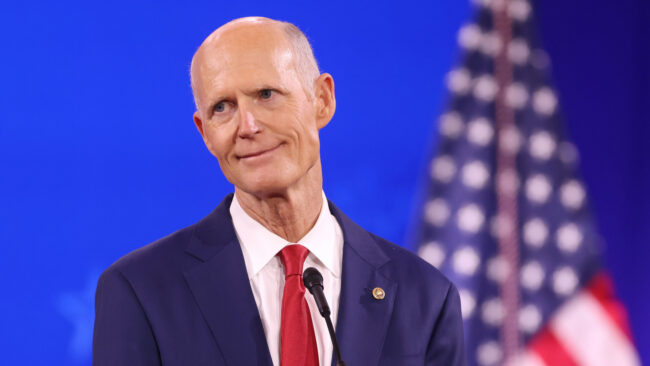
Chairman Rick Scott (R-FL) of the Senate Aging Committee made a prediction during a hearing on domestic generic drug manufacturing on Wednesday, saying that his CLEAR Labels Act will become law this year.
Treasury Secretary Scott Bessent says the United States and China are considering lowering tariffs on “noncritical” items — the consumer goods that fill American shopping carts — as part of the package being assembled around this week’s Trump-Xi summit.
Ambassador Greer and his team at USTR deserve enormous credit. Rather than trading away the Section 232 protections American producers rely on, they strategically raised the tariff on downstream aluminum products, providing a necessary buffer to offset the difference in the cost of aluminum in Canada versus the United States.
A Sept. 2 House Ways & Means Committee hearing on critical minerals had both members and witnesses suggesting that countries the U.S. relies on for these hard-to-mine, harder-to-process minerals be granted trade preferences.
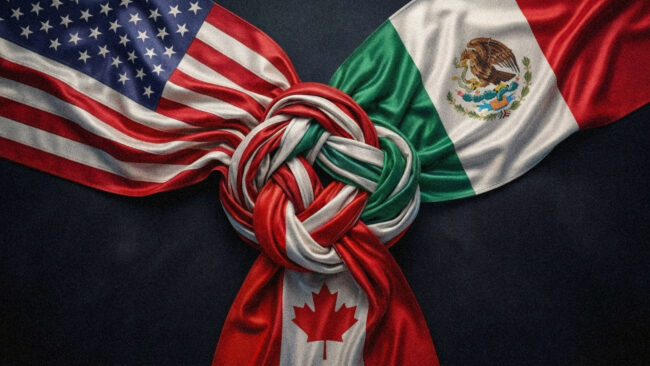
Late on Friday, August 21, the tentative U.S.–Canada trade agreement collapsed, shortly before new tariffs took effect. Market reporting centered on cutting the Section 232 tariff on Canadian primary aluminum to 25 percent, and the concession was poised to reach fabricated aluminum products as well.
The collapse of the U.S.-Canada trade deal is providing a rare glimpse into the secret world of international trade negotiations. Beyond just the insider view, we are being given hope that the mirage of “Fortress North America” can be put to rest.