For too long, foreign actors with no real U.S. presence have been able to import into the American market while shielding themselves from the duties, penalties, and laws that domestic producers and legitimate U.S. importers must obey. The order takes aim squarely at that imbalance.
Lawmakers from member states of the European Union agreed to measures last week to stop drug shortages and fix chronic Asian dependencies for critical medicines, this time spurred by worries over the antibiotics supply chain.
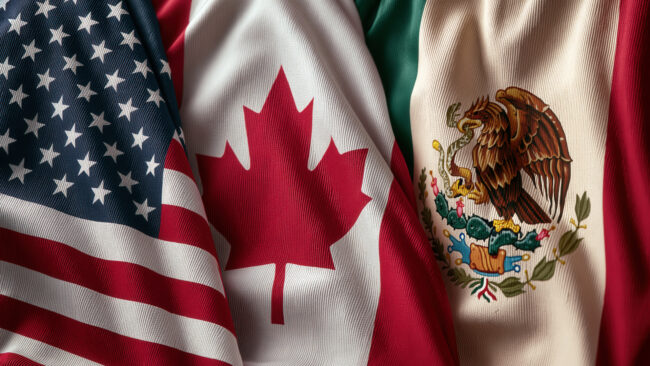
The clock is ticking on the U.S.-Mexico-Canada Agreement. On July 1, 2026, the three parties are scheduled to sit down for the formal “joint review” required by the deal itself. Under the terms USMCA’s drafters wrote into the agreement, the entire arrangement automatically expires on July 1, 2036 unless every government affirmatively recommits to it.
A House Natural Resources subcommittee heard from witnesses last week calling for special tax breaks and for Congress to consider restrictions on copper scraps exports.
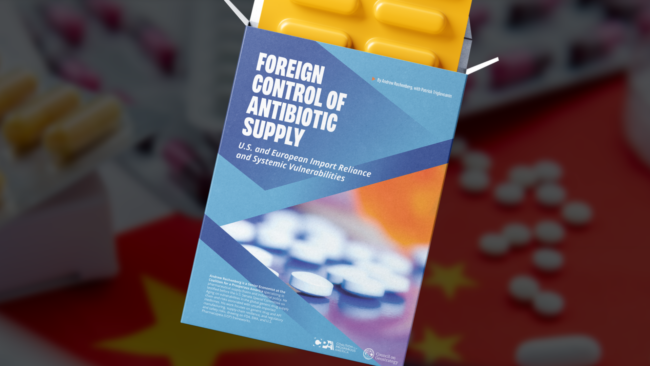
Without secure upstream API and 6-APA production, the United States does not have true antibiotic supply security. With the right policy framework and close coordination with European partners, we can rebuild domestic capacity, strengthen allied production, and secure essential medicines for the long term.
Suniva’s expansion highlights the critical importance of rebuilding the domestic crystalline silicon photovoltaic (PV) supply chain—particularly solar cell manufacturing, one of the most strategically important segments of U.S. energy production.
The investment is clear evidence that U.S. trade policy is driving a resurgence in domestic production and job creation. This new investment underscores Whirlpool Corp.’s long-standing commitment to the U.S. market and creating high-quality American jobs.
Section 232 tariffs remain a cornerstone of U.S. industrial policy, particularly in sectors tied to infrastructure, energy, and defense. This proclamation reinforces their role as a long-term tool to increase domestic capacity utilization, reduce import dependence, and support a resilient industrial base.
Project Vault was developed to lend money to miners and entice investment in metals processing in order to build a strategic reserve of critical minerals to protect industry from supply shocks and price volatility.
America’s healthcare system cannot remain dependent on fragile and subsidized foreign supply chains for generic pharmaceuticals and other critical countermeasures that are fundamental to patient care.