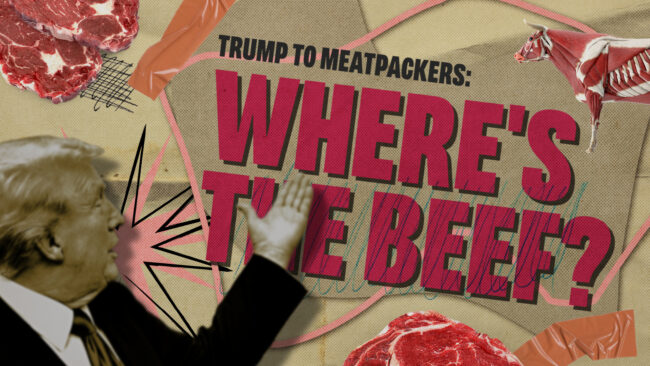
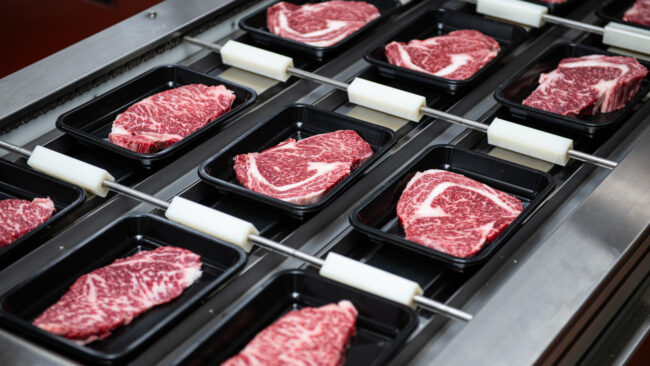
In one August week, Washington reopened the border to Mexican cattle, expanded low-tariff beef imports, and finally turned to the packers. Only one targets the real problem.
New CPA report finds America’s food security depends on fertilizer, and that foreign supply shocks—not U.S. trade remedies—are driving this year’s fertilizer crisis.
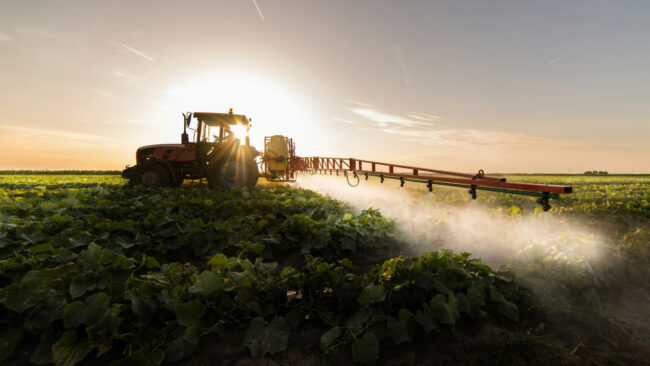
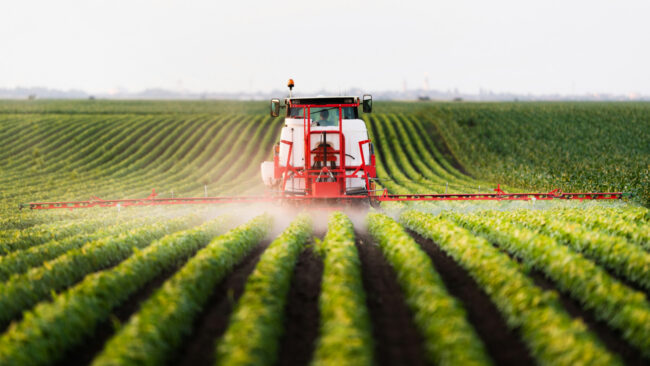
Fertilizer, and access to it, is essential in maintaining the strength of the entire American agricultural sector. Mineral fertilizers are responsible for over half the food produced worldwide, and it has run up to 44 percent of corn operating costs and up to 45 percent of wheat operating costs since 2020. When fertilizer prices spike, they hit the crops that feed the country — and the livestock fed off those crops.
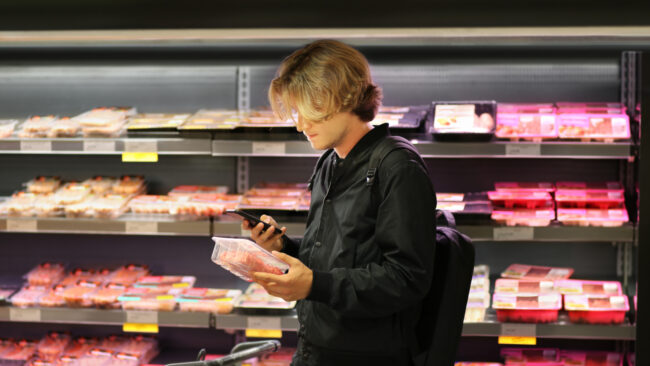
U.S. beef prices continue to climb, with May 2026 prices already 22% above January 2025 levels. This is a serious cost-of-living issue for American families, but it is also a crisis signal for the beef industry.
New bill protects American agricultural markets from further import displacement with inflation-indexed specific duties — assessed against volume, rather than declared value — as well as new tariff-rate quotas to stop further displacement towards imports and give farmers and ranchers certainty.
President Trump might be fine with upending the United States-Mexico-Canada Agreement (USMCA) ahead of the July 1 review deadline, but the House Agriculture Committee is not.
The Commerce Department should look to 7 C.F.R. Part 6 as a terrific example of how USDA has ensured that quota allocation benefits domestic manufacturers, not speculators.
If Argentina imports aren’t lowering supermarket beef prices, perhaps an investigation into the cartelization of the big, globalist meat packers will finally have an impact?
KEY POINTS Beef prices are at record highs—not because of U.S. ranchers or tariffs, but because dependence on foreign imports and meatpacker consolidation have distorted
Feeding America with abundant, healthy, locally-produced food is as important as any trade or industrial goal. Reinforcing our capacity to feed ourselves makes the nation stronger, safer, and more prosperous, whole the Big Ag status quo blindly follows a globalized model that has left far too many American farms behind.