


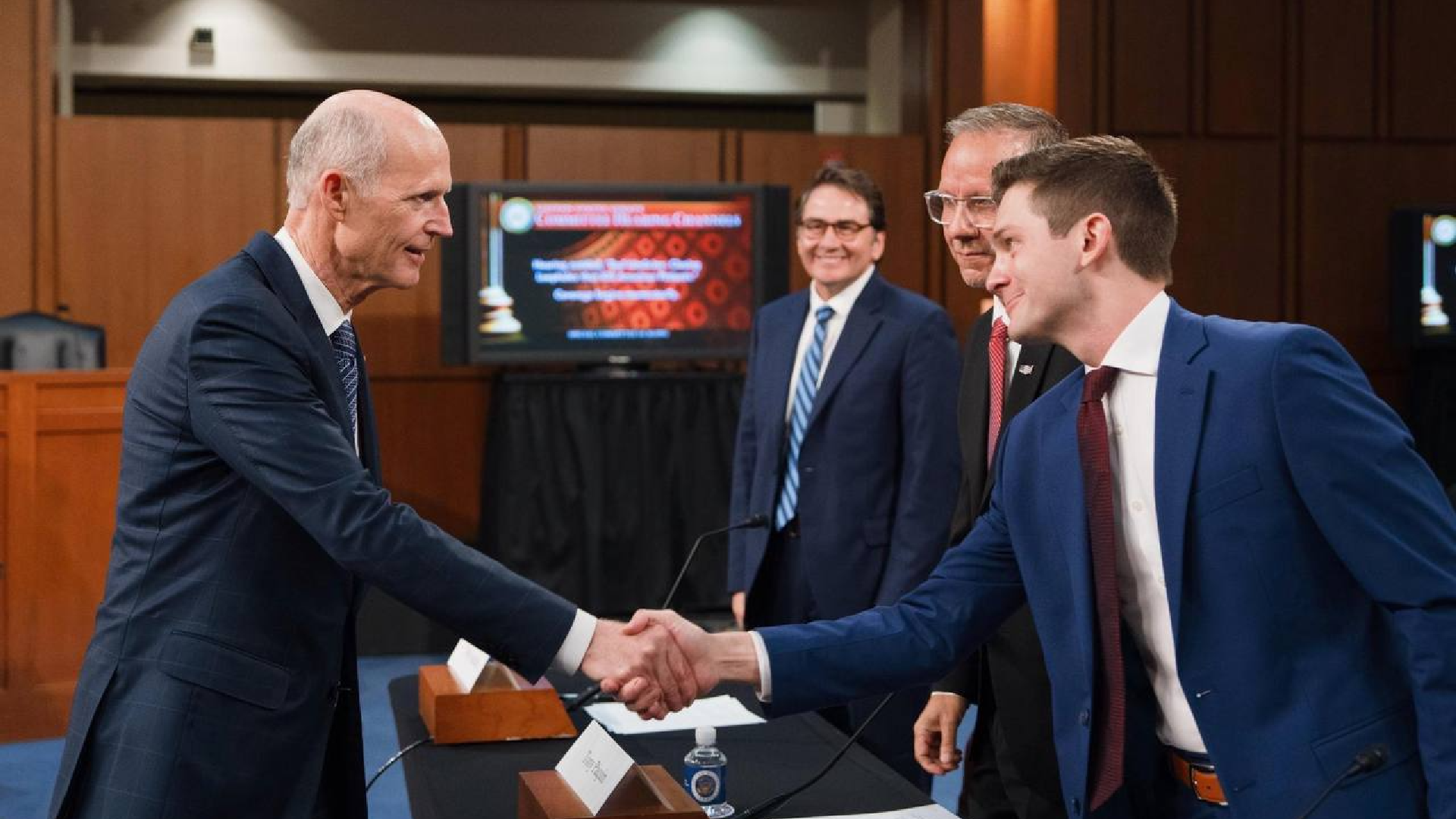
WASHINGTON, D.C. — Coalition for a Prosperous America (CPA) economist Andrew Rechenberg testified at a recent hearing of the U.S. Senate Special Committee on Aging: “Bad Medicine: Closing Loopholes that Kill American Patients.” The hearing continued the committee’s efforts to examine and reduce America’s severely dangerous overdependence on foreign-manufactured generic drugs and address vulnerabilities in the nation’s pharmaceutical supply chain. Along with Rechenberg, experts testified on solutions to boost domestic drug production, improve supply chain transparency, and close loopholes that have been allowing unsafe medications to flood the U.S. market.
Building on the success of the hearing, Chairman Rick Scott and Ranking Member Kirsten Gillibrand recently released a joint, bipartisan investigative report titled “Protecting Seniors’ Access to Essential Medications: Securing the Foreign Generic Pharmaceutical Supply Chain,” focused on America’s dangerous overreliance on foreign-made generic drugs, which are largely imported from India and China. Importantly, the bipartisan report calls for utilizing trade levers, including the Trump administration’s ongoing Section 232 investigation into pharmaceuticals, to address this national security risk.
Rechenberg’s opening remarks focused on how our overreliance on imported essential medicines are putting people at risk: “America’s medicine supply chain is in a crisis. Two decades of offshoring have caused domestic pharmaceutical production to fall from 84% of the U.S. market in 2002 to just 37% today. Leaving 80% of active pharmaceutical ingredients with no U.S. source, whatsoever. India and China have captured the market by undercutting American producers.”
In one of the most noticeably non-partisan and congenial Capitol Hill hearings we’ve seen in years, Rechenberg shared with the committee CPA’s five pillar strategy to rebuild generic drug manufacturing, including tariff rate quotas (TRQ) adjustable each year as domestic capacity grows. He also touted the ‘PILLS Act’ by Rep. Claudia Tenney (NY-24) H.R. 1396 in the House (a bill CPA supports), and Sen. Tom Cotton’s (R-AR) companion bill S. 1891 in the Senate – which provides tax credits and other incentives like a ‘CHIPS Act’ for generics.
There was no open opposition to CPA’s recommendations by Committee members.
Bipartisan consensus on America’s generic drug supply chain is now becoming fully formed.
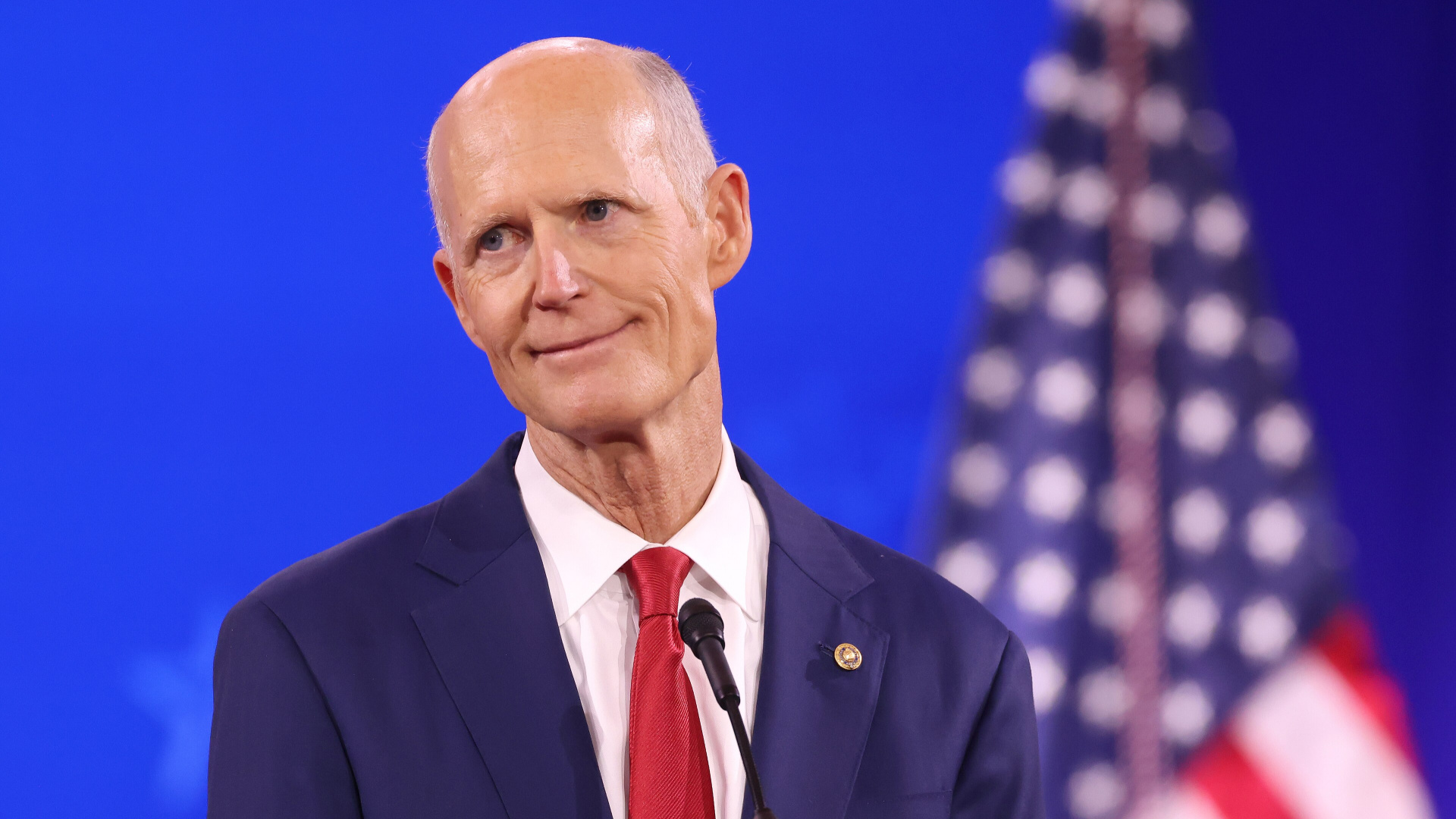
Chairman Rick Scott (R-FL) led the questioning with ways to improve the U.S. generic drug supply chain. “The national security risk of relying on China for drugs is unacceptable,” Scott said at the opening. “I can’t think of anything more crucial than helping our seniors with quality generic drugs. This is a national security and a public health issue for all Americans,” he said.
Chairman Scott supports the Section 232 investigation into generic drugs, which is ongoing at Commerce despite the lobbying against it. Tariffs were already announced on branded drugs, but the real problem lies with generics. President Trump has already signaled an exemption of those tariffs to several Big Pharma companies that have pledged investments in the U.S.; the EU and Japan are also exempt.
In a letter to the editor titled ‘America Needs to Make Its Own Generics Again,’ appearing last week in the Wall Street Journal, Scott opines that “It wouldn’t take much for (China’s President) Xi Jinping to cause massive and deadly disruptions to everyday American life. We’ve already gotten a taste of this as Beijing has limited exports of rare-earth minerals, and when India blocked the export of critical pharmaceutical ingredients during the pandemic.”
Ranking Member Kirsten Gillibrand (D-NY) also understood the gravity of the issue at hand. “Too many APIs and key starting materials (KSM) are made outside the United States,” she said about active pharmaceutical ingredients and the main chemical and organic compounds that go into making them. She said we need to make more targeted investment and adjust incentives.
Committee members Sen. Ashley Moody (R-FL), Sen. Tommy Tuberville (R-AL), and Sen. Elizabeth Warren (D-MA) contributed significantly to the debate as well. Tuberville asked specifically what would happen if we restricted imports – and could we make all the drugs here in the U.S. Moody shared her (accurate) belief that American consumers really have no idea where their drugs are coming from. And, Warren interacted specifically with Rechenberg throughout the hearing, asking how subsidies in India and elsewhere harm U.S. manufacturers. Rechenberg reiterated CPA’s support for her bill, the ‘Pharmaceutical Supply Chain Defense and Enhancement Act’ (S.5638), which would require developing a list of critical drugs important to public health and national security, including their APIs and KSMs. It would require the DoD to enter into long-term contracts to increase domestic manufacturing capacity for those drugs.
Rechenberg was joined at the hearing by Tony Paquin, the president & chief executive officer of iRemedy Healthcare, Inc.; Tony Sardella, Chairman of the API Innovation Center and Distinguished Fellow of Health Innovation at Washington University in St. Louis’ Olin Business School; and Marta E. Wosińska, Senior Fellow at the Center on Health Policy at the Brookings Institute.
CPA submitted extensive comments in May to the Commerce Department’s Section 232 investigation into pharma, documenting how America’s dependence on foreign-made generic drugs poses severe national security risks.
“Hospitals do not know what their supply chain risks are because they have so little visibility, and because there is no visibility as to who is making what and where, they simply go for the price. …. From all the research we have done so far, the costs of shortages, worse patient care, and lost production vastly outweigh what we save in the long run by reshoring,” Rechenberg told the Committee. “In the long run, paying a little more up front for generics delivers far greater savings.”
# # #