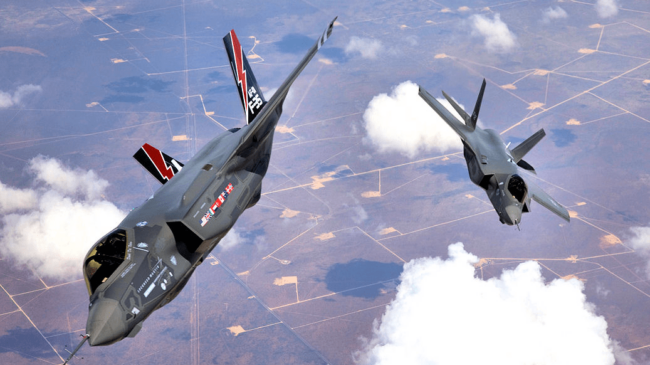
Chinese companies supply many inputs for America’s military, putting the U.S. in a disturbingly vulnerable position. This threatens the survival of the small domestic manufacturers that play a critical role in America’s defense industrial base.
The United States is facing an unprecedented drug shortage, with a record 323 active drug shortages at the start of 2024 — the highest number since 2001.
The foreign labs in China and India that make the branded drugs for CVS pharmacies nationwide are coming under increased scrutiny for unsafe manufacturing practices.
China’s EV battery companies CATL and Gotion High Tech source materials from companies banned by the U.S. Department of Homeland Security (DHS) due to forced labor violations, the House Select Committee on the Chinese Communist Party said on June 6.
If Trina does not get into the FTZ in Texas, they may cancel their September 2023 planned investment. Trina is building a factory in Mexico and can eventually ship solar here duty-free under the USMCA. At least, however, we would not be subsidizing them via the IRA.
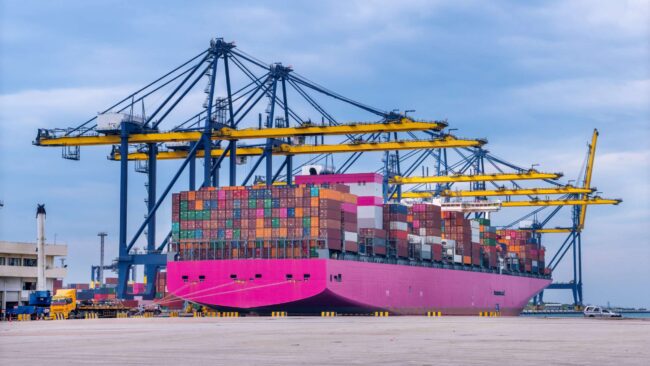
The monthly goods and services trade deficit between the U.S. and the rest of the world has skyrocketed by a whopping 8.7% to $74.6 billion in April, putting the month well above the three month trend line.
Holding China accountable for its illegal trade practices will allow for the growth of a more diverse, and more secure, solar supply chain, here in the United States.
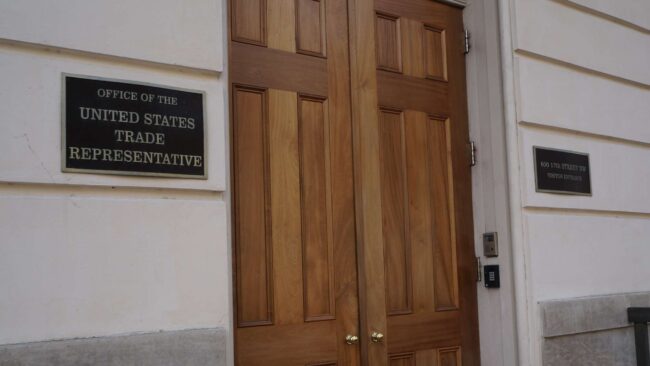
This article includes details of products, rate increases, timelines, and the background behind the Biden Administration’s Section 301 Tariff Increase Proposal.