The era of global dependency on the CCP is over. For decades, Wall Street, multinational corporations, and globalist institutions helped finance China’s rise at the direct expense of American workers, manufacturers, and national security.
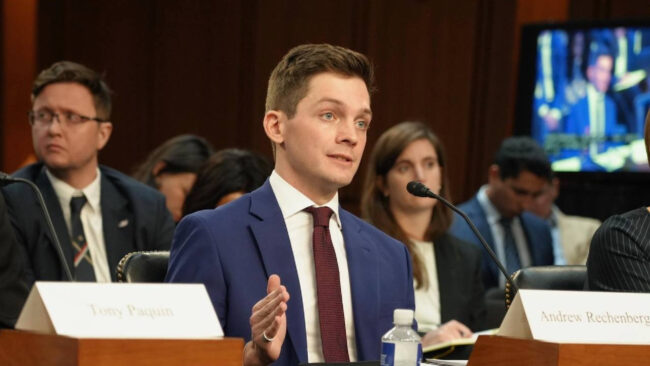
CPA Economist Andrew Rechenberg gave his testimony and answered questions in a four- panelist hearing. It was arguably the most agreeable hearing in years. A bipartisan consensus on America’s generic drug supply chain is nearly fully formed now.
Titled “The New Biotech Cold War: The U.S. Medicine Can’t Afford to Fall Behind China,” the report shows how U.S. biotech – long a pillar of national strength – no longer has a guaranteed edge globally.
As proof that no company can match China on price, Chinese producers of active pharmaceutical ingredients (APIs) and the key starting materials (KSMs) used to make them are slashing prices by up to 50%. Not even low-cost India – one of the largest importers of Chinese KSMs – can compete at those levels.
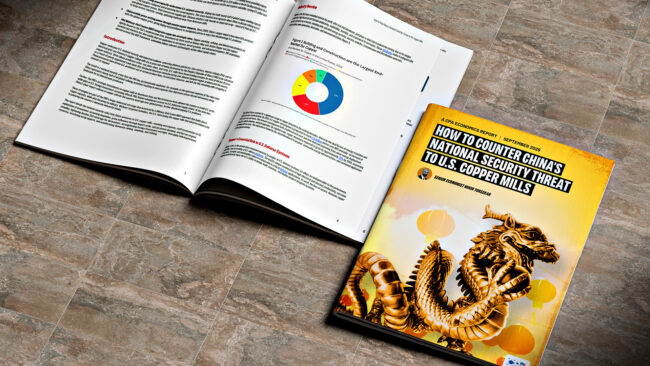
Findings Indicate that Copper Products Remain Essential to U.S. Economy and National Security as Trump Administration Seeks to Protect and Enhance Industry
The closure of the de minimis loophole – which went into effect at midnight – stops the descent into eCommerce lawlessness characterized by the rise in platforms like Temu and Shein, and the fact that judgment-proof overseas retailers now make up the majority of vendors on Amazon’s U.S. store.
America is dangerously reliant on high-risk foreign suppliers for essential generic drugs, especially APIs concentrated in China and India. That over-reliance has already triggered preventable crises, such as nationwide chemotherapy shortages when a single overseas plant shut down.
Today’s action to directly target the midstream layer—rods, pipes, wires, connectors, and other semi-finished copper products that are essential to our economy and national security is extremely welcome. Combining the Section 232 action with the use of the Defense Production Act to ensure a robust supply of copper scrap for recycling is extraordinary.