China Shock 2.0 – Record China Trade Surpluses Worsen Global Disruption
As China’s policies continue unchecked, the world is experiencing China Shock 2.0, with devastating economic, social, and political consequences.



As China’s policies continue unchecked, the world is experiencing China Shock 2.0, with devastating economic, social, and political consequences.
The MAC is an innovative, internationally legal, centrist economic policy based on solid economic principles that would solve many of America’s key problems today.

The dollar is wreaking havoc around the world, yet the federal government and Treasury Secretary Janet Yellen refuse to do anything about it.
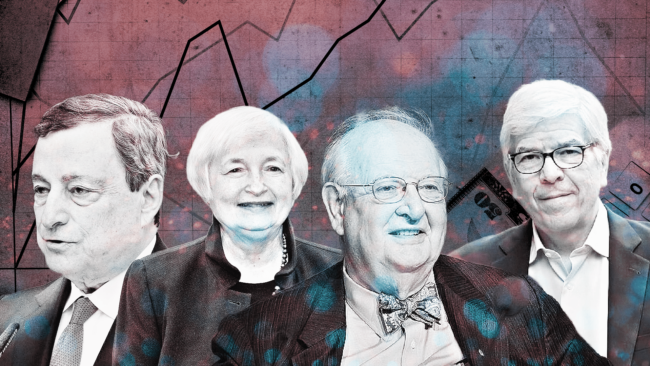
Respected economists including Janet Yellen, Mario Draghi, Paul Romer and Angus Deaton have been critical of free trade and globalization in recent weeks.
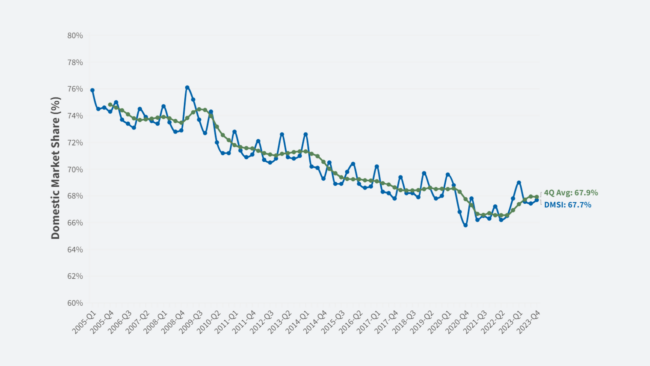
The CPA Domestic Market Share Index (DMSI) rose slightly for both Q4 2023 and the full year last year. The U.S. trade deficit in manufactured goods came in at an alarmingly high $1.07 trillion last year.
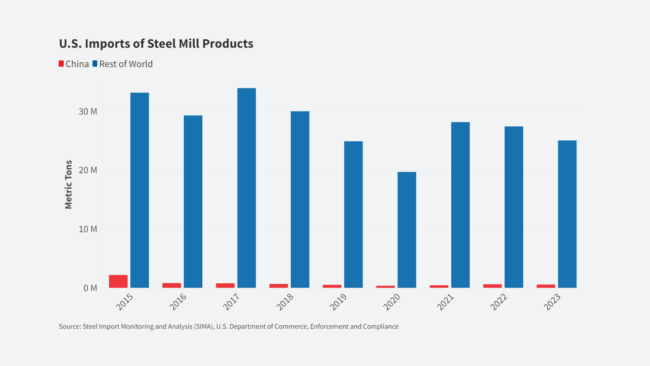
The Biden administration’s recently announced proposal to increase the steel and aluminum tariffs on Chinese products from 7.5% to 25% could be a mixed bag.
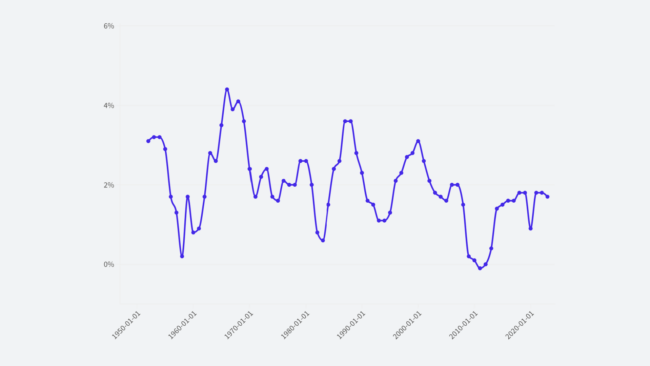
US productivity growth has underperformed since the year 2000.
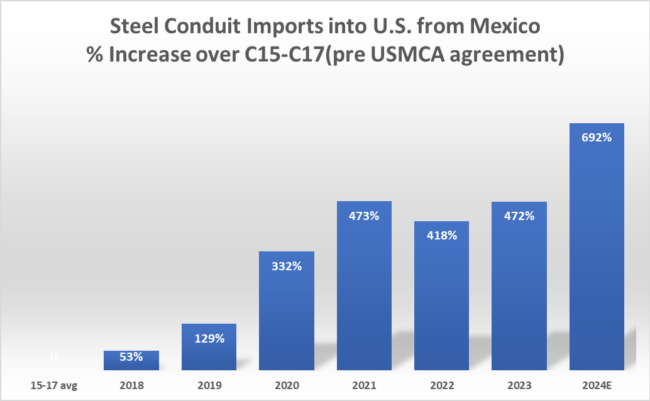
Steel imports from Mexico have surged far above historic levels, violating Mexico’s trade agreement with the U.S. and threatening local U.S. economies.
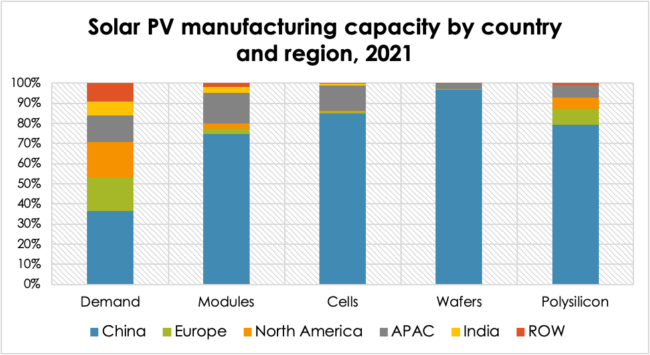
China dominates all phases of global solar energy equipment manufacturing.
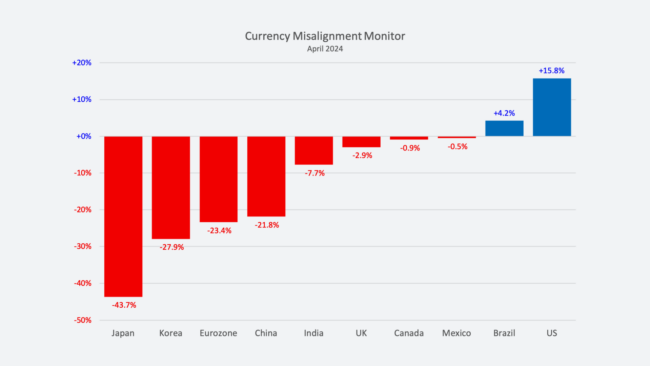
The April Currency Misalignment Monitor shows that the dollar continues to be heavily overvalued and major Asian currencies remain undervalued.