The November JQI fell substantially, decreasing by about 0.5%. One of the major reasons behind this decline is falling wages for Electrical equipment manufacturing and Support activities for air transportation.
Biden’s signature climate change-related spending policy, the Inflation Reduction Act, is said to be going under the knife once Trump takes office in January. But with Republican districts now full of solar, and solar manufacturing facilities, the real risk is changes to the so-called 45X tax credit.
The takeaway from the roughly 90 minute hearing titled “Rebuilding the Arsenal of Democracy” was that the government needed long term contracts and more money to build up defense systems because, based on war games conducted by the Center for Strategic and International Studies, the U.S. struggled to hold its own.
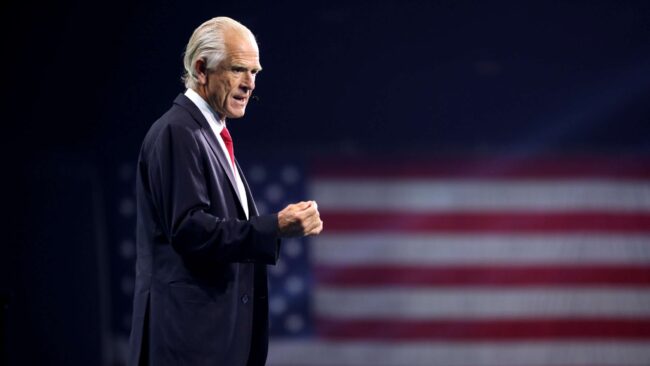
Peter Navarro played a key role in the first Trump administration in advancing pro-American trade policies and leveling the playing field for U.S. industry. His return signals a serious commitment to prioritizing American manufacturing and economic independence.
CPA looks forward to working with Jamieson Greer to advance a robust trade agenda that prioritizes domestic production, holds trade violators accountable, and strengthens America’s industrial base.
Now that we have re-elected President Trump for a second term to work on achieving his goal of Making America Great Again, it’s time to focus on how to rebuild America’s manufacturing industry because we can’t be great again without a strong domestic manufacturing industry.
Either we have a fashion industry or we have de minimis, but we cannot have both, warned Jacob Helberg, one of the 10 commissioners for the U.S. China Economic and Security Review Commission.
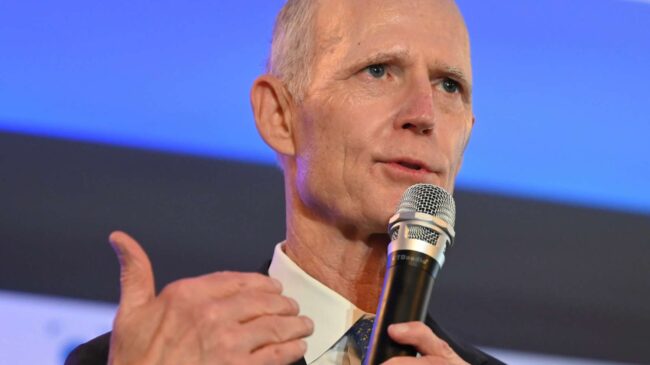
The next GOP leader must be 100% pro-tariff and aligned with the Trump administration’s agenda to use tariffs and industrial policy to create jobs, increase domestic production, and build broadly-shared economic growth that fuels America’s Golden Age.
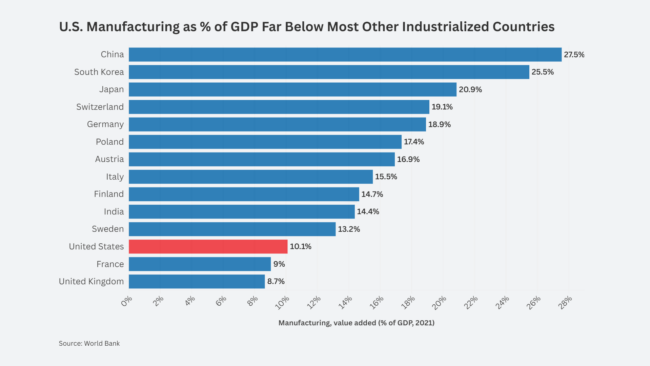
U.S. manufacturing has fallen from 21-25% of GDP in 1950s to about 10% today. The decline is worse than the average of first world developed countries. The result is an unbalanced economy excessively dominated by services and imports.