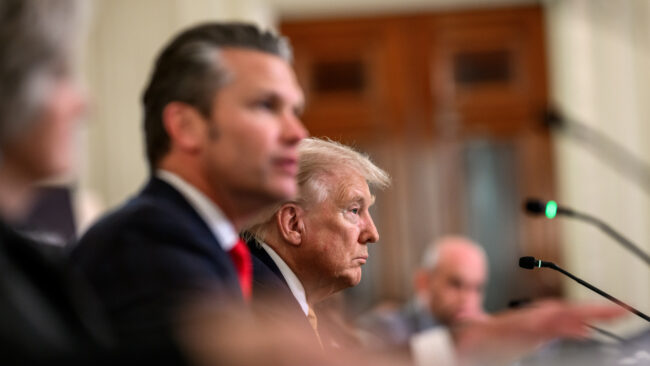
The Committee hearing on shipbuilding took place on July 22. Like everything else tied to global trade, China competition was the impetus to building a shipbuilding and modern port infrastructure industry domestically.
This report shows in stark numbers what American patients and pharmacists already feel every day – our medicine cabinet has been hollowed out, and we are now dangerously dependent on a handful of foreign, sometimes even adversarial, countries for the drugs that keep people alive.
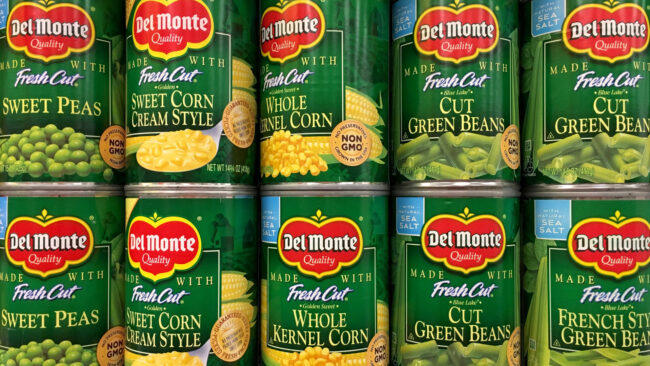
President Trump’s revision to the steel tariff in 2025 was meant to fix the tariff inversion problem – situations where we tariff steel imports, but not things made of steel. Putting a tariff on metal can imports, but not metal cans filled with food, is a perfect example of mindless tariff inversion driving offshoring. This precise problem was solved and settled in 1930, and Commerce and USTR can fix it at any time with existing authority.
New duties on imports from dozens of countries take effect this week, closing the gap left after the Supreme Court struck down the President’s earlier tariff authority.
Companies making goods from the Department of War (DoW) will now need much clearer visibility into their supply chains, especially if a product they make or buy includes critical minerals.
Trade structured to support production raises productivity, and rising productivity raises the incomes that fund consumption durably, out of earnings instead of borrowing. That is the only durable answer to the cost-of-living crisis: paychecks that can carry the price of housing, healthcare, and childcare.
For years, the most critical link in our drug supply chain — the upstream chemistry — has been invisible to our own regulators. A medicine finished in Europe is not necessarily a European medicine, and this rule finally begins to expose that fiction.
A new joint white paper finds that aluminum extrusion — the most capital-intensive step in frame production — must occur in the United States for solar module frames to qualify for the Section 45Y/48E domestic content bonus credit.
Last week, the White House declared an emergency under Section 318 of the Tariff Act of 1930 and suspended, for eight months, the collection of anti-dumping and countervailing duties on phosphate fertilizer from the Kingdom of Morocco.