
May Trade Deficit of $106.4 Billion is Not as Bad as it Looks
The goods deficit for May is the worst looking deficit on paper, at $106.4 billion, but might not be as bad as that number suggests.



The goods deficit for May is the worst looking deficit on paper, at $106.4 billion, but might not be as bad as that number suggests.
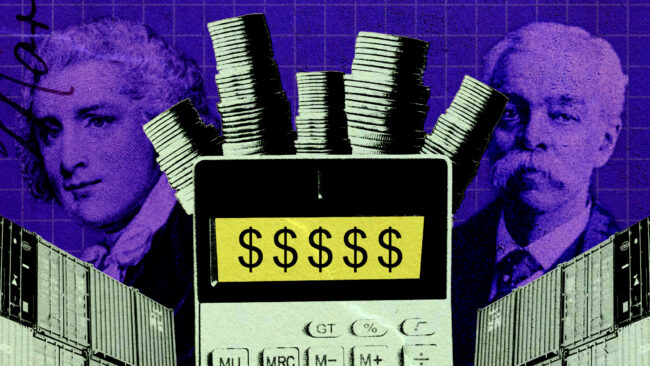
Before USTR borrows the tin cartel’s playbook, it should look to the American tradition of minimum import pricing — and beware the foreign imitations that ended in ruin.
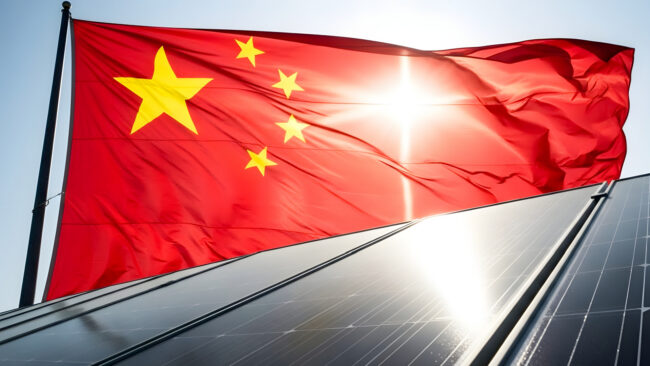
Years ago, CPA warned that China was using American clean-energy tax credits to capture our solar industry — and we led the fight to slam that door shut.

Sen. Kirsten Gillibrand (D-NY) has become one of the Democratic Party’s leading voices raising concerns about the pharmaceutical industry’s growing ties to China.
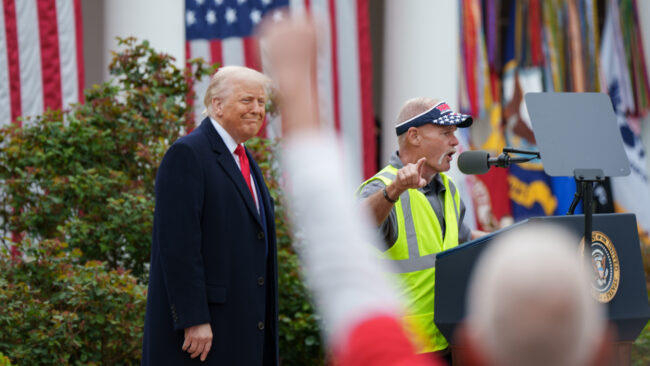
One year after Liberation Day, the most aggressive tariff escalation since 2018, the United States collected just half of what its own policy prescribes.
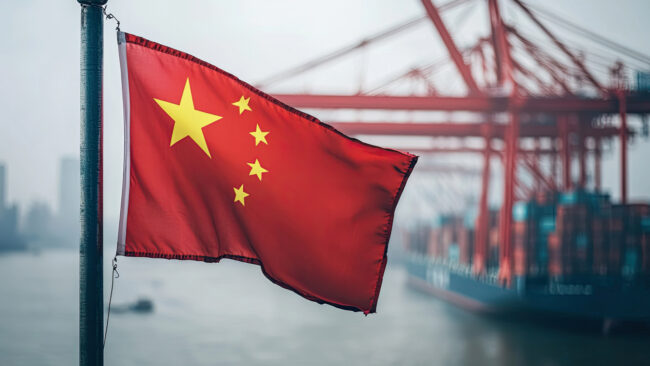
Subsidies across 15 key industrial sectors have reached their highest levels relative to revenue since the 2008-2009 global financial crisis, according to an OECD study published June 1.
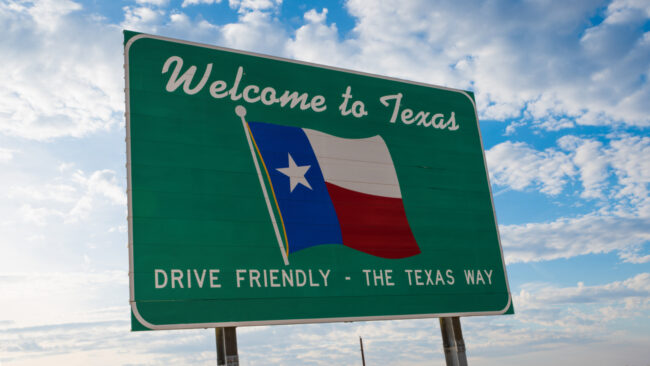
China is quietly making a move on one of America’s most critical industrial materials — copper. Texas is helping them do it.

CPA welcomed the U.S. Department of War expanding its Section 1260H list of Chinese military companies and praised recent efforts by lawmakers, including Senator Rick Scott (R-FL), to draw greater attention to the threat posed by China’s military-civil fusion strategy.
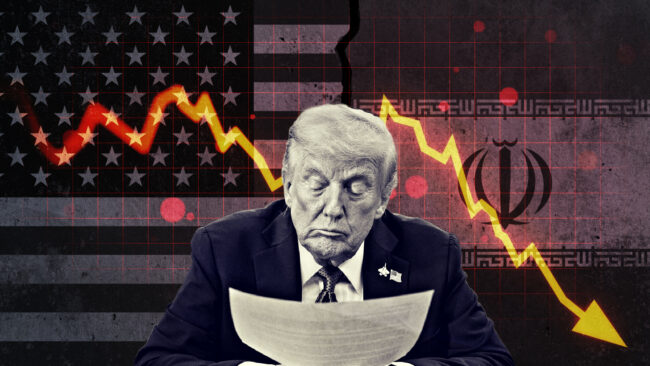
The ongoing conflict in the Persian Gulf likely led to a slight 1.2% decline in the overall goods and services deficit in April, coming in at $55.9 billion, based on Bureau of Economic Analysis (BEA) data released on Tuesday.
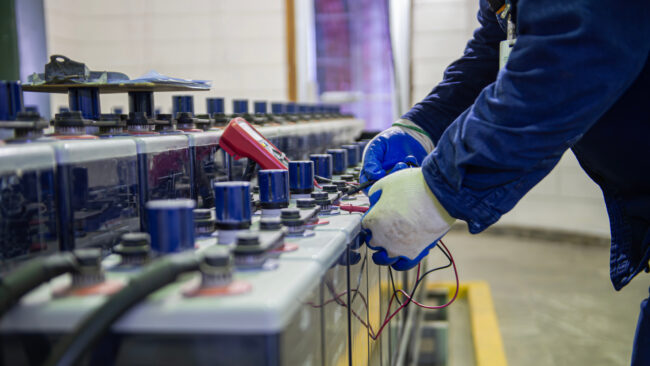
The government increasingly sees critical minerals, battery materials and components, and refining as strategic industrial assets rather than low value goods often burdened by environmental regulations.