CPA cautions against adopting a reciprocal tariff strategy aimed primarily at negotiating lower foreign trade barriers and more favorable investment conditions abroad. A reciprocal tariff strategy that prioritizes foreign governments’ willingness to reduce their trade barriers or be more receptive to foreign investment is in conflict with the stated goals of the America First Trade Policy Memorandum and undermines the predictability and stability American businesses need to confidently invest in long-term domestic production.
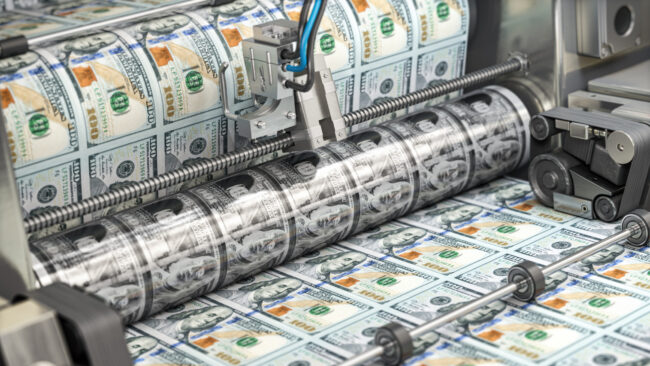
It took nine months to rescue two astronauts stuck on the International Space Station this weekend, yet somehow President Trump is expected to rewrite global trade rules between the U.S. and 166 World Trade Organization-member countries in less than two months.
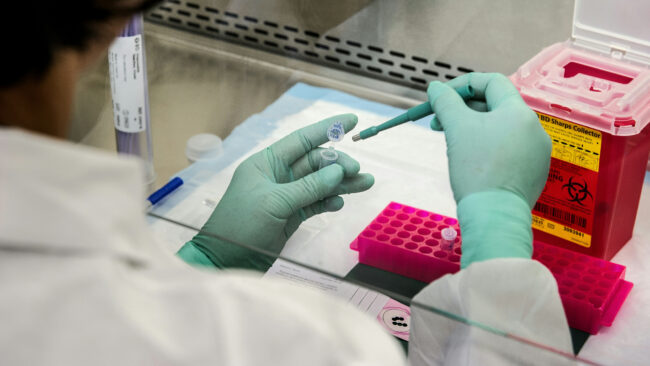
Strong federal investment in the National Science Foundation and National Institutes of Health is vital for American innovation, economic growth, and national security.
Tariffs are an effective tool for boosting domestic production. They stimulate critical domestic investment and increase U.S. manufacturing capacity. It’s past time to abandon the outdated dogma of unregulated free trade — and start focusing on rebuilding American industry to create jobs and ensure long-term economic resilience.
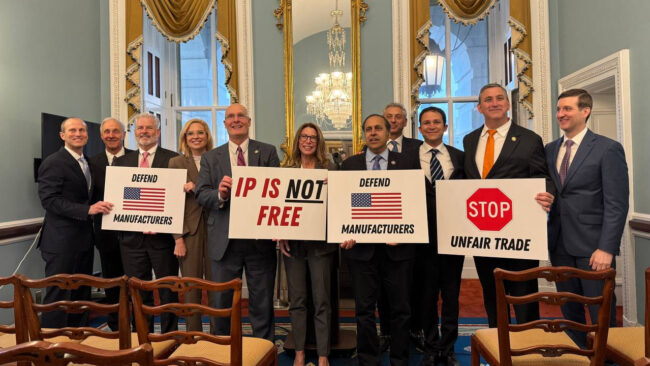
Nine different companies joined members of the House Select Committee on China at a press conference on Wednesday to talk about their battles with “China trade cheats” that have cost them a fortune. Most of them closed factories, or rolled back investment. Despite tariffs and anti-dumping (AD/CVD) trade case victories, the battle continues.
CPA’s report demonstrates that previous tariff exemptions and exclusions significantly weakened the effectiveness of the original tariffs imposed in 2018.
In a House Oversight subcommittee hearing on Feb. 26, the Inflation Reduction Act (IRA) was hit with the usual swipes from detractors, with some calling it the “green scam”, but China’s solar company benefits were never mentioned.
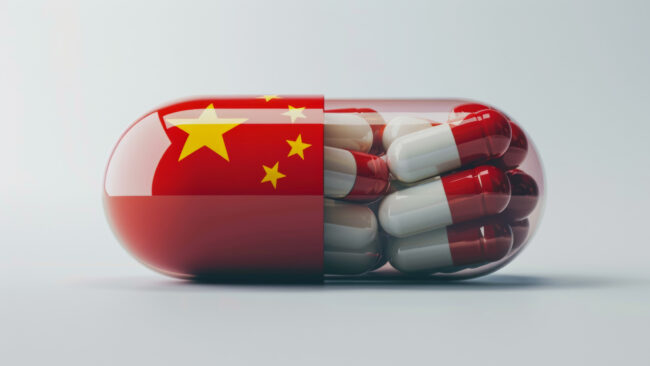
In 2024, China and India accounted for 57.6% of total U.S. pharmaceutical imports by weight, highlighting the potential risks associated with such reliance. Growing U.S. dependence on China and India for widely-used generic pharmaceutical products creates serious risks to national security and patient safety when drugs are in short supply, or ineffective.
CPA announced key leadership changes as CEO Michael Stumo steps down to take on a new role in the Trump administration. Jon Toomey has been elevated as President of CPA to lead the organization and Nick Iacovella has been promoted to Executive Vice President.
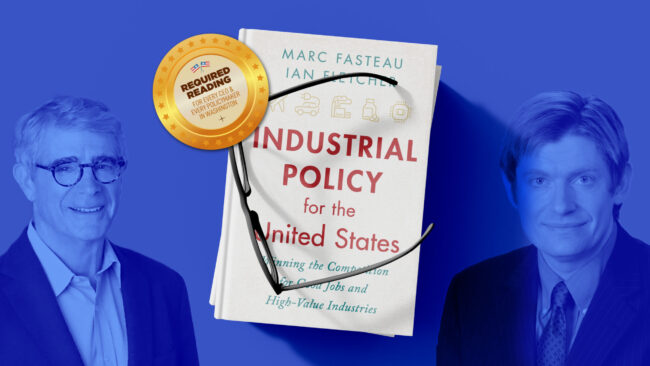
Industrial Policy for the United States seeks to list all of the tools a country can use to improve its industrial base and entice businesses to invest in manufacturing. If these tools are deployed, the authors argue, the results will be good for local economies and labor.