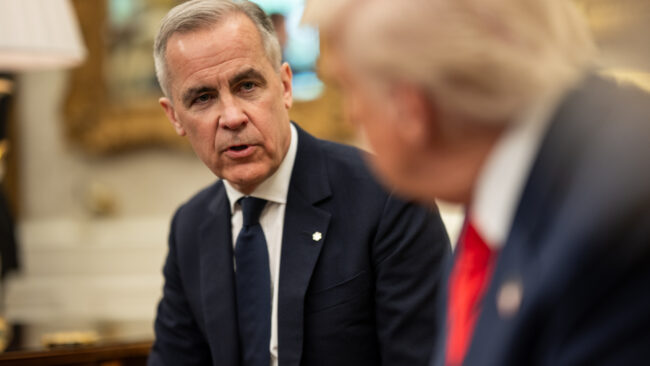
CPA: U.S. Must Hold the Line on Section 232 Steel and Aluminum Tariffs
President Trump was right to strengthen the Section 232 tariffs on steel and aluminum, and the breakdown of these negotiations should put an end to proposals to weaken them.



President Trump was right to strengthen the Section 232 tariffs on steel and aluminum, and the breakdown of these negotiations should put an end to proposals to weaken them.
If Canada wants a deal, there is no shortage of things Ottawa can put on the table — America’s national security tariffs on aluminum and steel are not among them
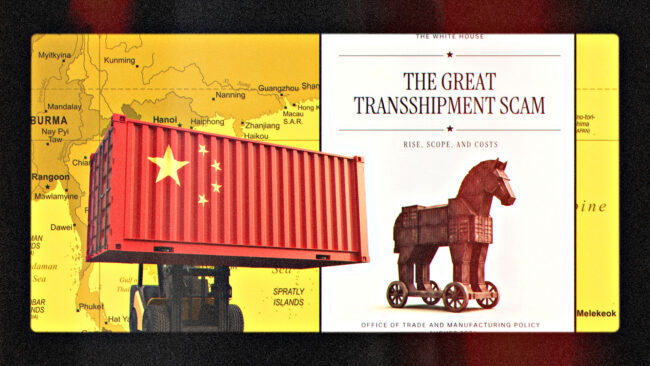
The report documents how goods subject to higher U.S. tariffs are routinely rerouted through lower-tariff countries, undermining both tariff enforcement and American manufacturing.

Today’s Section 232 proclamation secures that foundation, and the entire structure is built to reward one thing: manufacturing in America. Companies investing in U.S. polysilicon, wafer, and cell production are the clear winners, and companies that continue to rely on imports will be at a disadvantage.

Findings show that U.S. tariff policy leaves the aluminum industry’s largest employment base exposed, even as primary aluminum tariff costs are passed on to extruders and fabricators.
U.S. aluminum tariff policy must consider the full aluminum value chain. Downstream extruders and fabricators account for most aluminum manufacturing employment and are the key producers converting metal into critical products used in construction, transportation, machinery, electrical systems, packaging, defense, and other industrial markets.
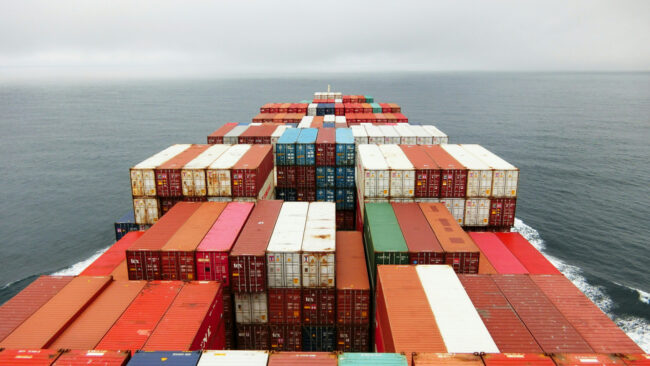
Despite foreign currency gains against the dollar in top trading partners like Mexico, Vietnam and China, import values for goods came in at $309.01 billion. That is the second highest import value of the year following May’s $316.86 billion surge, the Bureau of Economic Analysis said on Tuesday.

Fertilizer, and access to it, is essential in maintaining the strength of the entire American agricultural sector. Mineral fertilizers are responsible for over half the food produced worldwide, and it has run up to 44 percent of corn operating costs and up to 45 percent of wheat operating costs since 2020. When fertilizer prices spike, they hit the crops that feed the country — and the livestock fed off those crops.
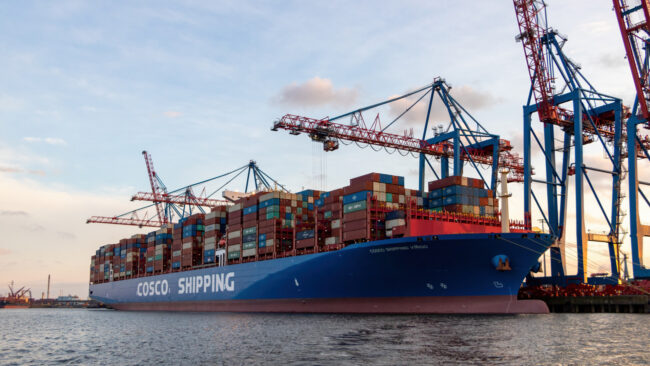
The 2026 Jones Act waiver has not been shown to meet its legal test, opened America’s coastwise trade to Chinese- and Russian-linked ships, and produced no demonstrated national fuel-price relief. It should expire on August 16.
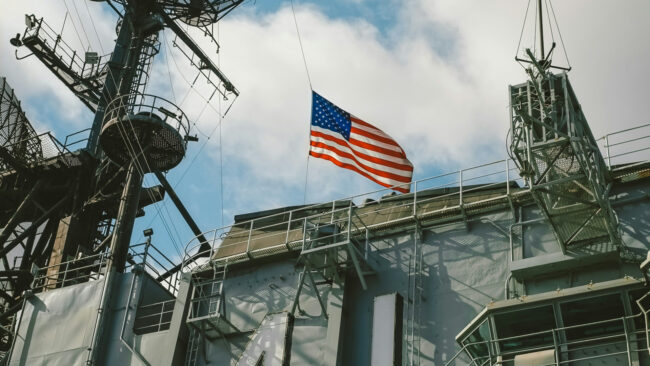
The SHIPS for America Act treats the duty on tonnage chiefly as a sanctions tool – a penalty reserved for adversary-linked shipping – while leaving the standard duty at rates the Founders would have mistaken for a rounding error. Here is a ranking of selected landmark federal rates from 1789 to today, in 2026 dollars.