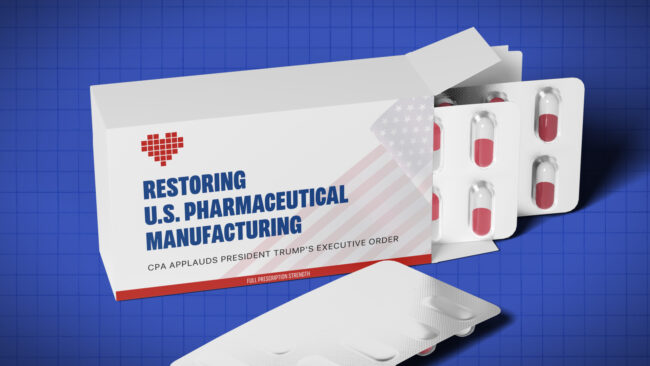
A smart policy like the ‘PILLS Act’ would prioritize domestic production of essential generics. It’s precisely the market signal needed to attract serious investment and rebuild the industry at home.
Under the so-called “Big Beautiful Bill” as passed by the House, Chinese solar companies will no longer qualify for renewable energy tax benefits under the Inflation Reduction Act (IRA) of 2022.
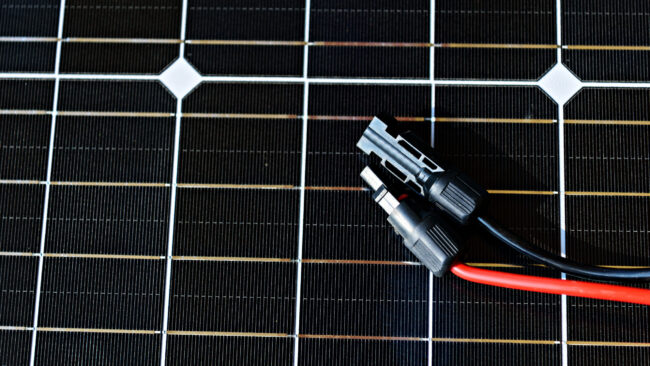
Some Chinese solar power inverters were allegedly found to have communication devices attached to them that were not supposed to be part of that equipment, suggesting that they can ping information back to the company’s headquarters and be used for nefarious ends, Reuters London reported on May 14.
As the leading organization advocating for reshoring the generic drug industry, CPA’s submission documents how extreme overreliance on foreign pharmaceutical supplies—especially active pharmaceutical ingredients (APIs) and critical injectable drugs from China and India—poses an urgent threat to U.S. national security and patient safety.
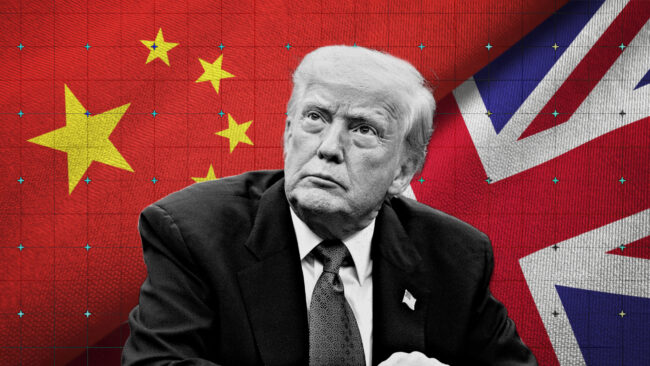
This month’s tariff agreements with the United Kingdom and China might end up being the first deal of its kind, and the last. On Friday, President Trump reiterated that the administration could not possibly strike deals with every country, and that tariff announcements would be made over the next two to three weeks.
While CPA recognizes certain positive elements of the deal — including a historic pivot towards prioritizing tariff revenue as well as industrial protection — it remains concerned about dangerous precedents being set by sacrificing domestic production while pursuing foreign market access.
Importers continued to front-run the April ‘Liberation Day’ tariffs in March, sending the overall trade deficit up 14% over February numbers to $140.5 billion for the month, according to the Bureau of Economic Analysis (BEA) on Tuesday.
Democrats on the Economic Growth, Energy Policy, and Regulatory Affairs Subcommittee—of the House Committee on Oversight and Government Reform—are united against tariffs.
The IPO, widely seen as the first major test of President Trump’s America First Investment Policy (AFIP), directly undermines the President’s February directive to block U.S. investment in companies linked to the Chinese military, human rights abuses, and authoritarian surveillance state.