Without secure upstream API and 6-APA production, the United States does not have true antibiotic supply security. With the right policy framework and close coordination with European partners, we can rebuild domestic capacity, strengthen allied production, and secure essential medicines for the long term.
Leadership of the House Select Committee on the CCP is convinced China is stealing American AI models. That’s why China has an OpenAI rival, called DeepSeek, and the Europeans have nothing.
The findings reinforce a persistent pattern in global solar trade: when enforcement actions target specific countries, production and shipments shift to new jurisdictions.
China holds a rapidly expanding position in the global biologics and biosimilars market, driven by heavy government support, regulatory reforms, and massive investments in biotech hubs like Shanghai and Suzhou.
CPA welcomes new proposals from the Food and Drug Administration (FDA) aimed at rebuilding domestic generic drug manufacturing, strengthening oversight of foreign pharmaceutical production, and improving supply chain transparency.
The report finds that the CPA Domestic Market Share Index (DMSI) – which measures the share of U.S. demand served by domestic producers – rebounded in 2025 as Section 232 tariffs and other industrial policies began to reshape the competitive landscape for American industry.
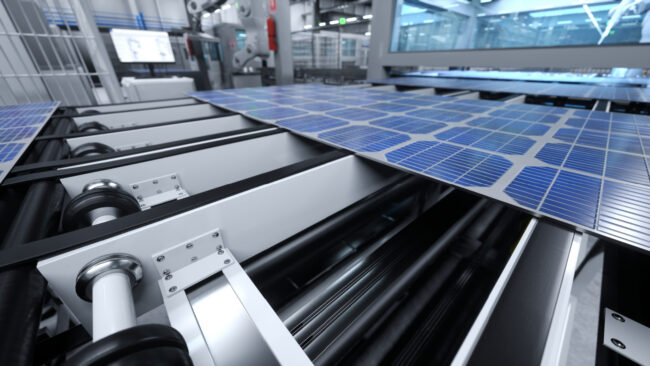
Suniva’s expansion highlights the critical importance of rebuilding the domestic crystalline silicon photovoltaic (PV) supply chain—particularly solar cell manufacturing, one of the most strategically important segments of U.S. energy production.
The CPA Domestic Market Share Index (DMSI) has rebounded sharply in 2025, signaling that U.S. tariffs are beginning to restore domestic production’s share of the American market.
The investment is clear evidence that U.S. trade policy is driving a resurgence in domestic production and job creation. This new investment underscores Whirlpool Corp.’s long-standing commitment to the U.S. market and creating high-quality American jobs.