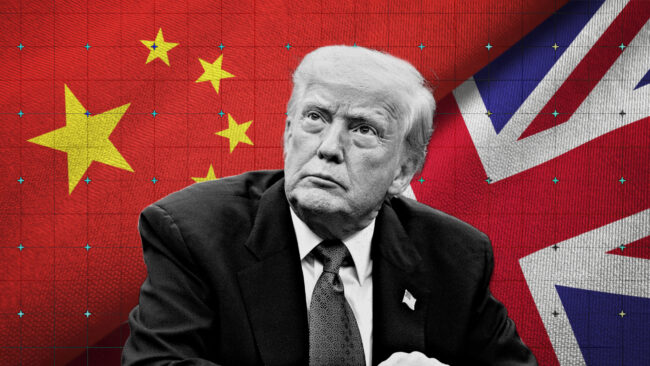
This month’s tariff agreements with the United Kingdom and China might end up being the first deal of its kind, and the last. On Friday, President Trump reiterated that the administration could not possibly strike deals with every country, and that tariff announcements would be made over the next two to three weeks.
While CPA recognizes certain positive elements of the deal — including a historic pivot towards prioritizing tariff revenue as well as industrial protection — it remains concerned about dangerous precedents being set by sacrificing domestic production while pursuing foreign market access.
Importers continued to front-run the April ‘Liberation Day’ tariffs in March, sending the overall trade deficit up 14% over February numbers to $140.5 billion for the month, according to the Bureau of Economic Analysis (BEA) on Tuesday.
Democrats on the Economic Growth, Energy Policy, and Regulatory Affairs Subcommittee—of the House Committee on Oversight and Government Reform—are united against tariffs.
The IPO, widely seen as the first major test of President Trump’s America First Investment Policy (AFIP), directly undermines the President’s February directive to block U.S. investment in companies linked to the Chinese military, human rights abuses, and authoritarian surveillance state.
Foreign imports primarily from Cambodia, Malaysia, Mexico, Thailand, and Vietnam—that are heavily subsidized by China—are destroying American cabinet jobs.
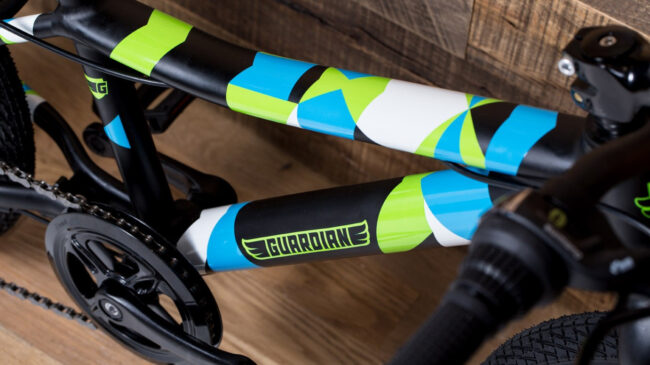
Guardian Bikes, an American company out of Seymour, Indiana that sells direct-to-consumer, wants to ensure that it keeps manufacturing 100% of its bicycles right here in the U.S., and to do so, has received a $19 million loan from J.P. Morgan to help them.
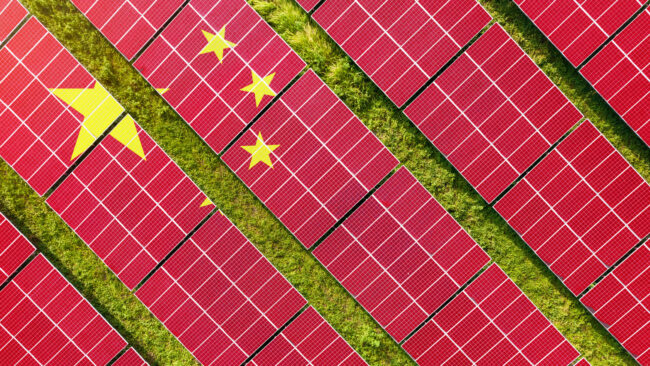
The Department’s decision confirms what CPA has consistently warned: Chinese solar companies have been illegally circumventing U.S. trade laws through Southeast Asian shell operations, flooding the U.S. market with dumped and subsidized products directly harming the domestic solar manufacturing industry.