
New View On Globalization Is Drifting Away From Old Consensus On Free Trade
The free trade consensus of economists, politicians, and financial pundits operating in polite society is fracturing.



The free trade consensus of economists, politicians, and financial pundits operating in polite society is fracturing.
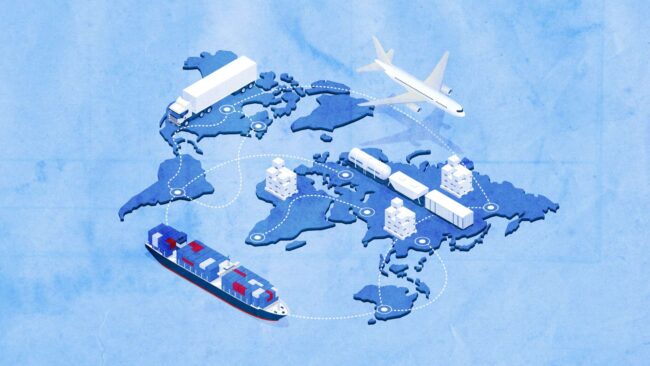
So what is comparative advantage? Comparative advantage occurs when the ratio of costs in one country differs from the ratio of costs in another.
The next president should use every tool to rebuild America’s productivity, industrial base and middle class. And they should ignore the conventional economic textbook view that predicts calamity if those tools are used, especially because these predictions never come true.

When drugs are pulled from pharmacy shelves, it’s somewhat of a well-kept secret that it is the pharmaceutical company that voluntarily warns buyers of the potential harm from the defect.
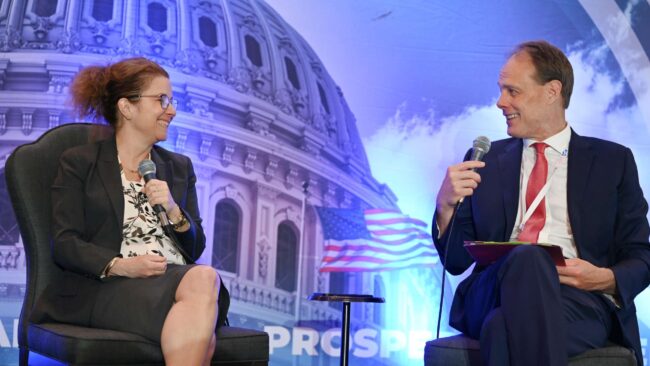
A new trade policy isn’t just emerging; it’s emerged. Six years after former President Donald Trump and his chief trade diplomat Robert Lighthizer imposed tariffs on nearly $400 billion worth of imported goods from China, President Biden has done the same.
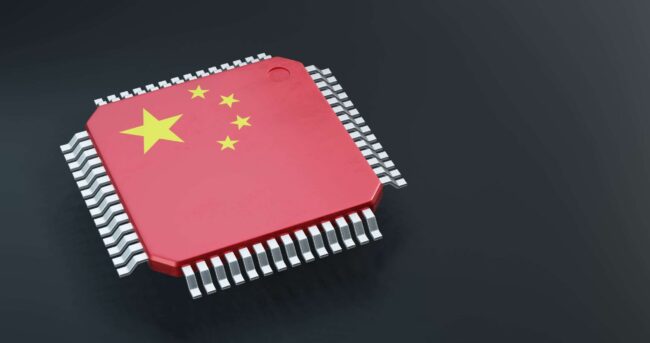
Tariff Rates Will Increase on Steel and Aluminum, Semiconductors, Electric Vehicles, Batteries, Solar Cells, Critical Minerals, Ship-To-Shore Cranes, and Medical Products WASHINGTON — The Coalition

In six short years, there is now a strong, bipartisan consensus that trade with China is a serious issue that is harming our nation, workers, and producers.
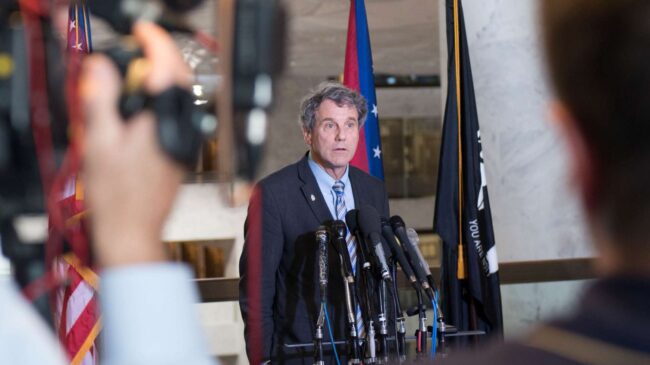
Despite USMCA being the “gold standard” trade agreement, Mexican trade problems are increasing with the U.S. The Senate Finance Committee on Wednesday brought up the

USTR Katherine Tai was repeatedly taken to task by farm state senators in Wednesday’s Senate Finance Committee hearing for what they see as lackluster attempts at opening markets for U.S. agriculture exports.
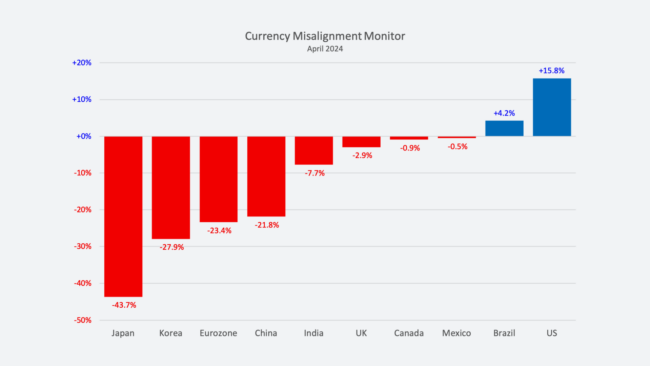
The April Currency Misalignment Monitor shows that the dollar continues to be heavily overvalued and major Asian currencies remain undervalued.