The American people have made it clear they want strong trade policies that restore American self-reliance. Passing GSP or AGOA now would be a direct affront to the incoming administration’s mission to rebuild American industry and secure our nation’s future.
These nominations, brought forward at the end of the congressional session, undermine the opportunity to thoroughly assess and ensure the qualifications of candidates for such an important role.
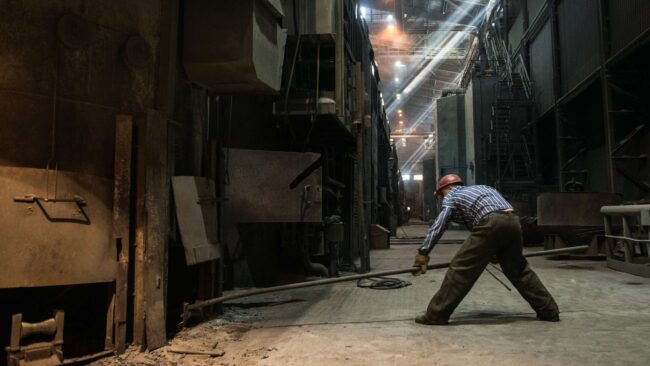
Earlier this month, Liberty Steel announced its decision to idle its wire plant in Peoria, Illinois after idling the steel mill rod mill operations there in October. Liberty Steel also suspended rod mill operations at its Georgetown, South Carolina facility earlier this year.
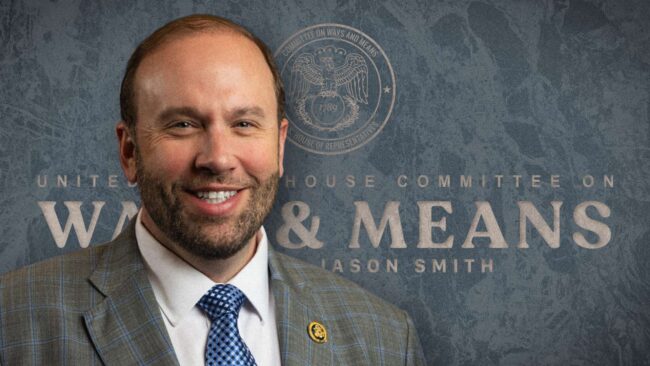
CPA is proud to support Chairman Smith as he continues to champion policies that prioritize American workers and to rebuild our nation’s productive capacity.
While the bill’s title suggests a crackdown on the unfolding de minimis catastrophe, in reality it would handcuff CBP’s ability to do anything about it.
The November JQI fell substantially, decreasing by about 0.5%. One of the major reasons behind this decline is falling wages for Electrical equipment manufacturing and Support activities for air transportation.
Biden’s signature climate change-related spending policy, the Inflation Reduction Act, is said to be going under the knife once Trump takes office in January. But with Republican districts now full of solar, and solar manufacturing facilities, the real risk is changes to the so-called 45X tax credit.
The takeaway from the roughly 90 minute hearing titled “Rebuilding the Arsenal of Democracy” was that the government needed long term contracts and more money to build up defense systems because, based on war games conducted by the Center for Strategic and International Studies, the U.S. struggled to hold its own.
It is now time for the Senate to act swiftly and ensure that this bill becomes law, empowering the DOJ to effectively prosecute international trade crimes and protect American industry.
CPA looks forward to working with Jamieson Greer to advance a robust trade agenda that prioritizes domestic production, holds trade violators accountable, and strengthens America’s industrial base.