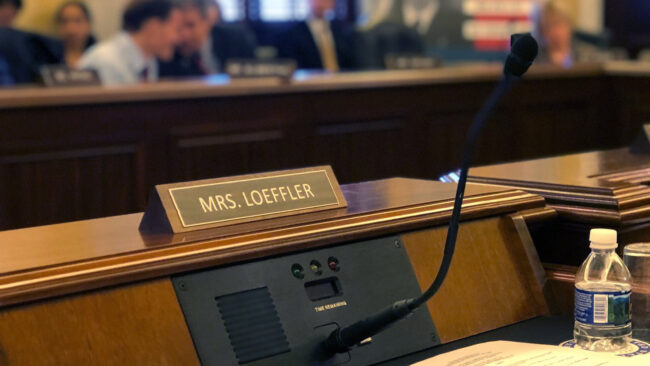
By the time the Committee hearing with Lutnick was over, it seemed pretty clear that the Trump administration has shifting ideas about reciprocity today, and are less sure about the nature of them than they were before “Liberation Day” on April 2.
The President’s tariff increase comes at a critical moment, reflecting a clear understanding of the ongoing threats faced by the U.S. aluminum and steel industry, particularly from heavily subsidized foreign competitors.
Decades of misguided trade policies have transformed the United States into the world’s consumer of last resort, absorbing the world’s excess savings at the expense of its manufacturing sector. U.S.-imposed tariffs are the first step towards rebalancing the system, but they aren’t sufficient.
The American pharmaceutical supply chain has become dangerously dependent on imports and foreign-controlled supply chains. Over the past 20 years, the country has experienced a skyrocketing rate on pharmaceutical imports and increasing foreign reliance.
Yes, reshoring manufacturing is possible. Investors will even go along for the ride, Guardian Bikes CEO Brian Riley told the Senate Small Business Committee in a hearing on May 14.
A smart policy like the ‘PILLS Act’ would prioritize domestic production of essential generics. It’s precisely the market signal needed to attract serious investment and rebuild the industry at home.
Under the so-called “Big Beautiful Bill” as passed by the House, Chinese solar companies will no longer qualify for renewable energy tax benefits under the Inflation Reduction Act (IRA) of 2022.
Some Chinese solar power inverters were allegedly found to have communication devices attached to them that were not supposed to be part of that equipment, suggesting that they can ping information back to the company’s headquarters and be used for nefarious ends, Reuters London reported on May 14.
The Trump Administration is leading a realignment on trade, moving away from a unipolar system that really had Asia as the Western world’s manufacturing hub. That is no longer feasible, or affordable.
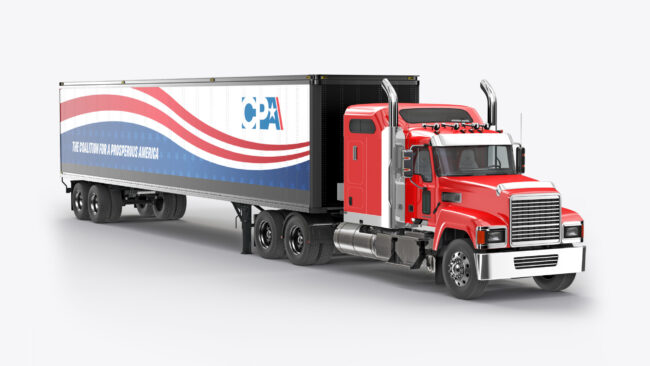
CPA’s submission documents how the domestic trucking sector underpins U.S. commerce, and that ensuring a domestic industrial base for producing these trucks is vital to military readiness and civil emergency response.