Section 301 actions against a particular country or group of countries are more likely to merely shift international supply chains as opposed to growing domestic productive output.
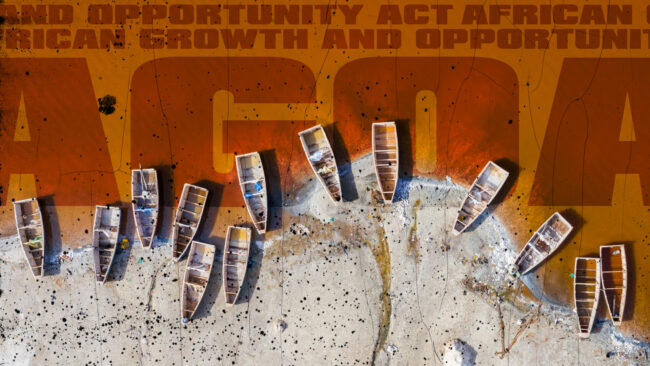
The free trade, foreign policy apparatus on Capitol Hill is openly advocating for the extension of the African Growth and Opportunity Act (AGOA), with senior committee leaders from both parties coming out in favor of it during a March 3 Center for Strategic and International Studies event about the trade deal’s future.
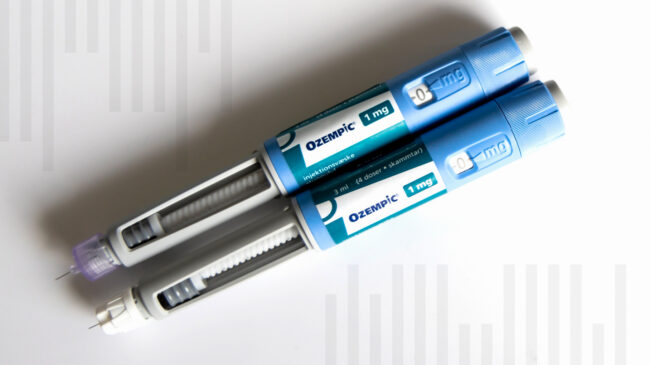
Last year, Americans spent more than $15 billion on Novo Nordisk’s diabetes and weight-loss drugs Ozempic and Wegovy. The active ingredient in both treatments — semaglutide— has rapidly become one of the world’s most commercially successful medicines.
On Capitol Hill, the defense narrative clearly gets legislators’ attention. It remains the surest way to get Members of Congress thinking about reindustrialization and rebuilding domestic supply chains.
It was no surprise that the 2025 goods deficit broke another record, the Bureau of Economic Analysis (BEA) numbers showed recently. The year-ending goods deficit was $1.24 trillion, up from $1.21 trillion in 2024, with the monthly deficit for December looking like historic averages, nearly $100 billion. Nothing seems to stop America’s appetite for imports.
For the first time, the new portal provides the American public with detailed access to reported foreign funding, including gifts and contracts from entities designated as “entities of concern” on nine federal government watchlists.
President Trump has made American reindustrialization and reshoring central to his economic policy agenda. Reviving American manufacturing enjoys broad public support and has increasingly become a bipartisan priority.
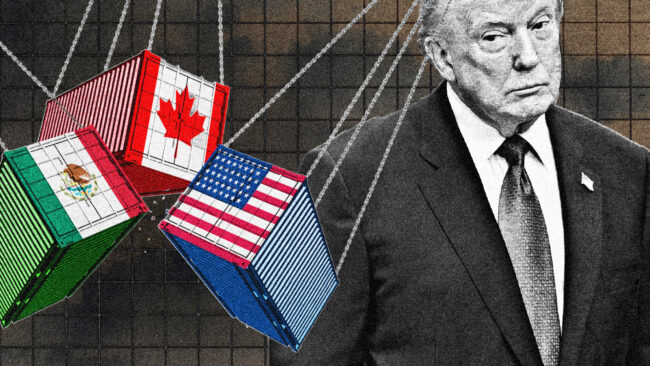
The Senate Finance Committee agrees on two things: First, the U.S. Mexico and Canada Agreement (USMCA) isn’t perfect and a number of issues need fixing. Second, they don’t want tariffs.