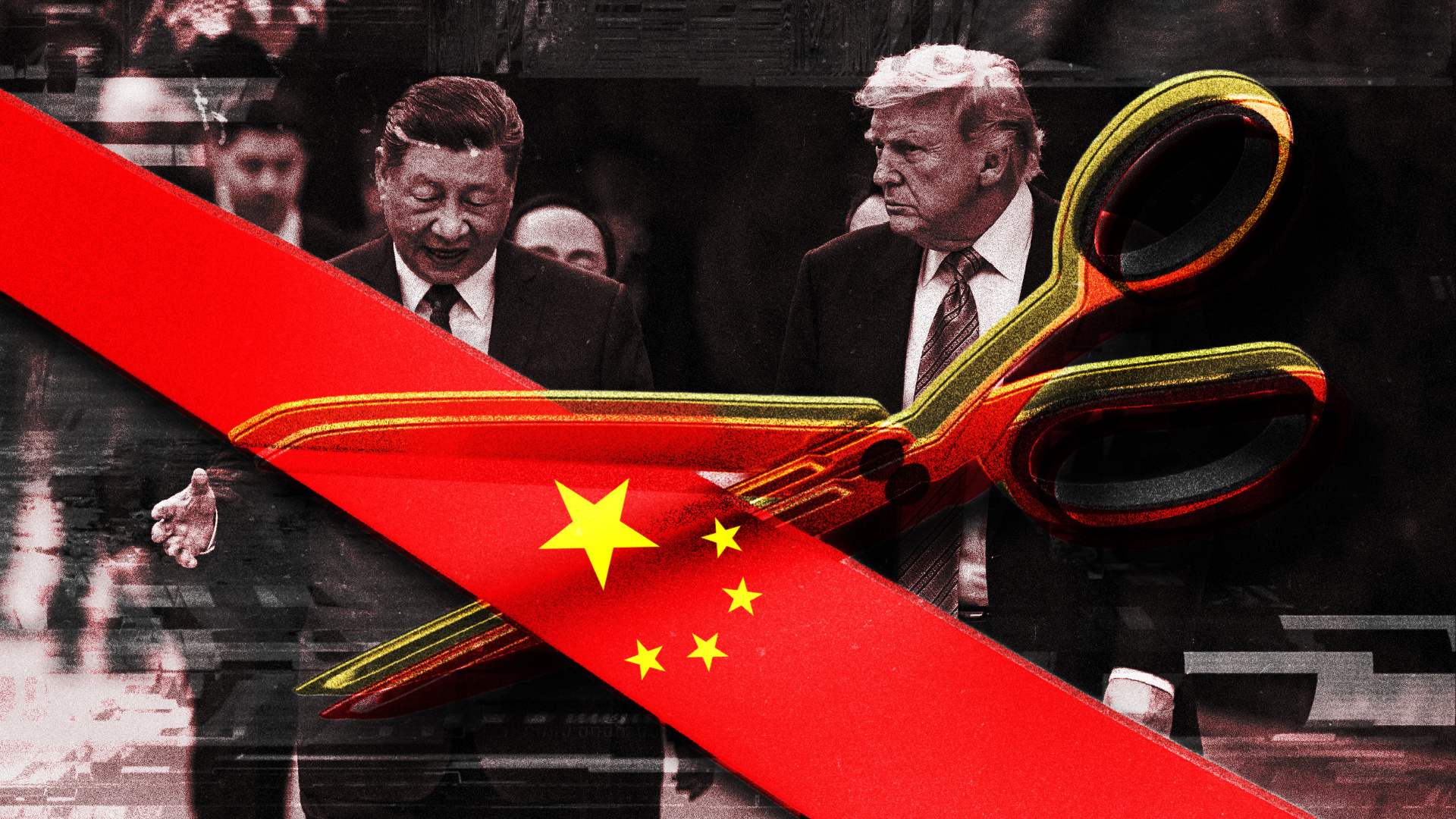



WASHINGTON, D.C. — Following the breakdown of U.S.-Canada trade negotiations, the Coalition for a Prosperous America (CPA) — which represents American steel mills, aluminum extruders, and other domestic metals producers — urged the administration to avoid tariff inversion by forgoing any tariff concessions on metal fabricated products. Aluminum and steel tariffs were imposed after Commerce investigations found that import dependence threatens the United States, and President Trump strengthened them in April — 50 percent, with coverage of core downstream fabricated products where 97 percent of U.S. aluminum jobs are. Yesterday, CPA warned the administration against trading away the Section 232 metals tariffs.
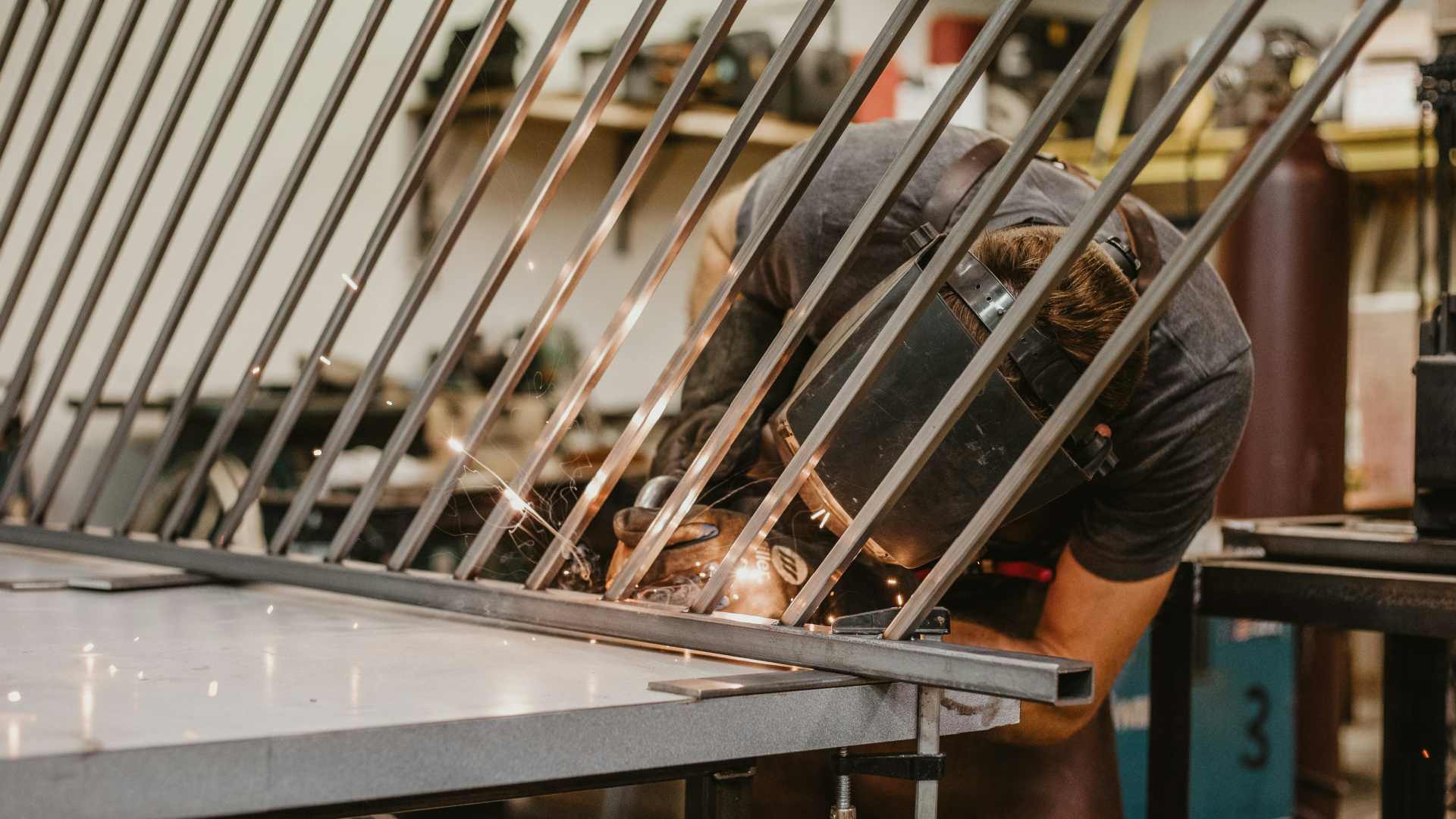
“President Trump was right to strengthen the Section 232 tariffs on steel and aluminum, and the breakdown of these negotiations should put an end to proposals to weaken them,” said Jon Toomey, President of CPA. “If Washington cuts the tariff on the fabricated article while the metal itself costs 30 percent more here, it has written the offshoring business plan itself. The way to rebuild primary metal without destroying the 1.45 million-job fabrication base that buys it is simple: tariff protection must follow the metal downstream.”
An American aluminum fabricator cannot absorb a more-than-$2,000-per-metric-
And as CPA’s report on the dangers of USMCA exemptions, whatever Canada wins, Mexico takes through the USMCA review — and then it’s Chinese metal remelted in Mexican cast houses, the exact playbook behind DOJ’s $549.5 million Perfectus Aluminum settlement. A flat 25 doesn’t open a door to Canada — it opens a highway to China.
“Canada is an important ally, but an ally should not expect the United States to sacrifice its own industrial base as the price of a trade agreement,” Toomey continued. “The administration should maintain the full Section 232 protections for American steel and aluminum. Our steel companies are investing billions of dollars to supply the Navy, the submarine industrial base, armored vehicles, infrastructure, and other national-security requirements. At the same time, American aluminum extruders are finally receiving the protection needed to compete against foreign production and preserve a critical downstream manufacturing base. It makes no sense to ask these companies to invest in America and then negotiate away the policy that makes those investments possible.”
# # #