CPA’s chief economist emeritus, Jeff Ferry, has gone back to school in his semi-retirement years. This time, though, it was a speaking gig at the University of Florida’s new Semiconductor Institute in Gainesville.
The era of global dependency on the CCP is over. For decades, Wall Street, multinational corporations, and globalist institutions helped finance China’s rise at the direct expense of American workers, manufacturers, and national security.
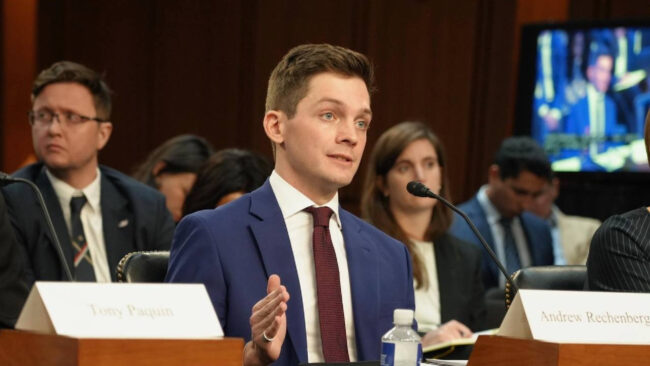
CPA Economist Andrew Rechenberg gave his testimony and answered questions in a four- panelist hearing. It was arguably the most agreeable hearing in years. A bipartisan consensus on America’s generic drug supply chain is nearly fully formed now.
Titled “The New Biotech Cold War: The U.S. Medicine Can’t Afford to Fall Behind China,” the report shows how U.S. biotech – long a pillar of national strength – no longer has a guaranteed edge globally.
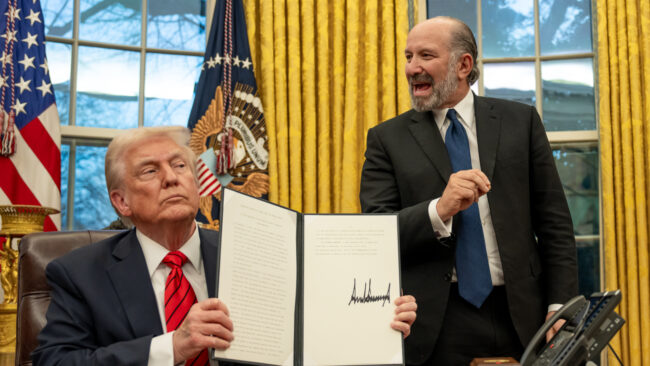
The Trump administration’s Section 232 investigation into pharmaceutical imports is reportedly close to being final. The final investigation’s success will depend largely on whether or not the Commerce Department determines that there is a crisis in the generics industry — an issue that President Trump highlighted back in 2023.
Strong enforcement against trade fraud isn’t optional—it’s essential to rebuilding our industrial base and securing long-term prosperity for American communities.
The August 2025 inflation report has reignited debate over tariffs. Some pundits have been quick to blame trade policy for rising prices, invoking Smoot-Hawley comparisons and warning of disaster on the scale of the Great Depression. But the data tells a different story.
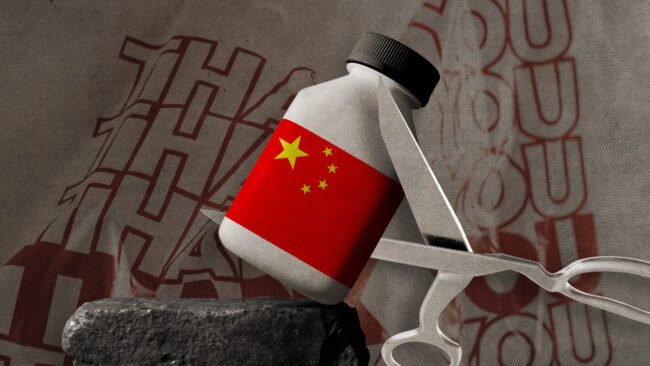
As proof that no company can match China on price, Chinese producers of active pharmaceutical ingredients (APIs) and the key starting materials (KSMs) used to make them are slashing prices by up to 50%. Not even low-cost India – one of the largest importers of Chinese KSMs – can compete at those levels.