Why Congress Needs an Annual Review of U.S. Sanctions Policy
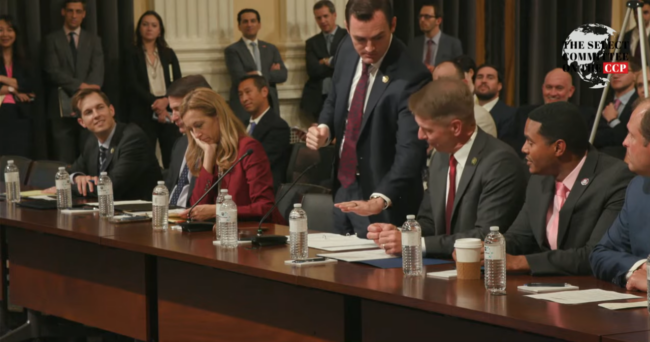
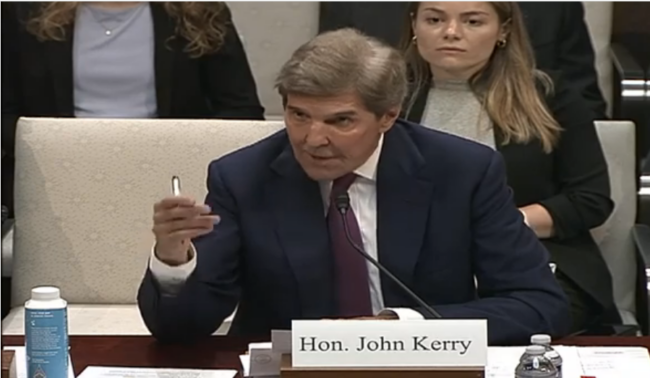
At a recent House Human Rights Commission hearing, the need for more oversight on sanctions to make sure they’re working. And how they could work better.
August trade figures reveal two things: a slowing economy, and a rising trade deficit with China as a strong dollar makes imports more attractive.
Should U.S. companies like Intel be allowed to invest in factories and partner with tech companies in China? If so, should there be restrictions?
Financial Times columnist Rana Foroohar writes about the end times for globalization as we know. What comes next in the post-global world?
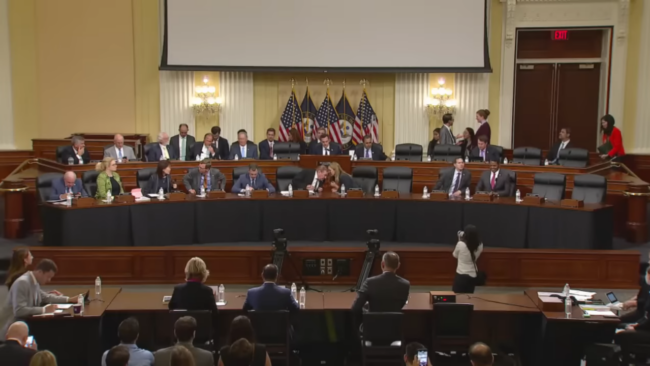
Washington proves to be more hawkish on China than Wall Street. Especially in the House of Representatives. A look at a recent House Financial Services Committee meeting.
Some in the Senate, like Sen. Bob Casey, say Washington needs to monitor what type of investment corporate America is making in China.
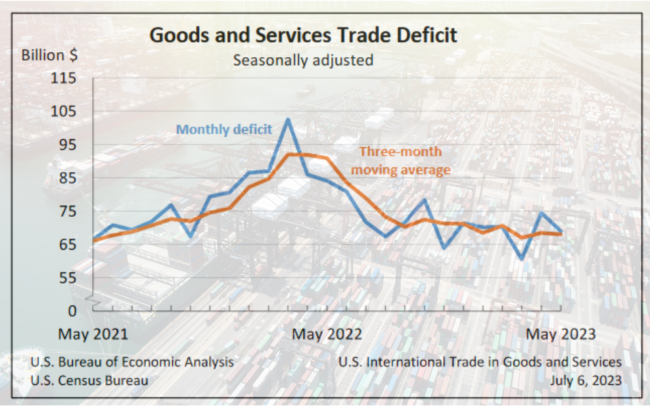
The July trade deficit fell to its lower level of the year, a sign of a slowing economy. However, if trends continue, the goods deficit will break another record in 2022.
At the Washington International Trade Association, agreement that removing tariffs will have almost no impact on inflation. Disagreement over whether we should have them anyway.
Jeff Ferry, CPA’s chief economist, takes a historical look at the early days of American industrial might, how it all went wrong through hyperglobalization, and where we must go from here.
Jeff Ferry pens a two-part series on the history of the American rise from new nation, to new industrial power. How it happened may surprise some.