
CPA Statement on SCOTUS IEEPA Tariff Ruling
Today’s SCOTUS ruling should encourage the administration to refocus and expand its Section 232 efforts.



Today’s SCOTUS ruling should encourage the administration to refocus and expand its Section 232 efforts.
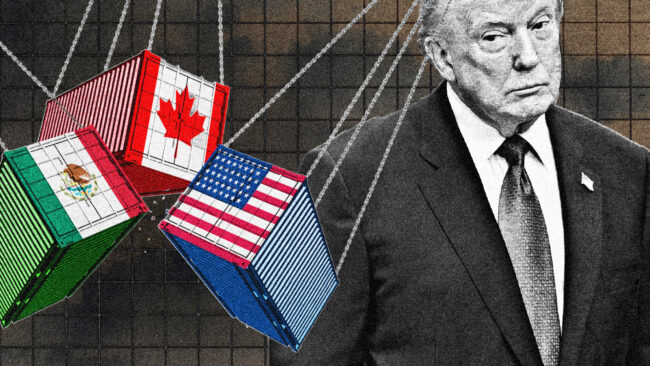
The Senate Finance Committee agrees on two things: First, the U.S. Mexico and Canada Agreement (USMCA) isn’t perfect and a number of issues need fixing. Second, they don’t want tariffs.

CPA strongly supports Senator Cassidy and Whitehouse’s Last Sale Valuation Act because it closes a long-standing loophole that has allowed multinational importers to artificially understate the value of goods entering the United States.

The Tax Foundation’s calculation simply assumes the approximate $132 billion in new 2025 tariff revenue is paid directly by households, dividing that figure across 134.8 million households to produce an average estimate of a $1,000 annual burden per household.

This Interim Agreement framework reflects a long overdue acknowledgment that essential medicine supply chains cannot be left to foreign dominance, particularly by India or an adversary like China.

Zydus Pharmaceuticals, one of India’s largest generic drug makers, recalled over 22,000 bottles of a cholesterol medication on Dec. 30, 2025. AvKare, a Tennessee-based pharmaceuticals distribution company that relies on imports, recalled around 7,900 cartons of Rosuvastatin, a widely used generic statin, a day later.

As highlighted in the Oval Office at the White House this week, Clarios played a part in the launch of ‘Project Vault,’ a major initiative to strengthen U.S. critical minerals security and safeguard American battery supply chains from global disruptions.

The November trade deficit numbers returned to a more normal figure, with the services surplus still in the $20s to low $30 billion range, and the goods deficit jumping from the October lull.

Clothes are labeled. Most food is labeled. Even your car has its manufacturing country of origin stamped onto the door panel. Pharmaceuticals on the other hand, one of the biggest import items and certainly one most critical to our daily health safety and security, usually do not come with any labels at all.
Few economic policies generate as much conversation as tariffs. Supporters see them as a way to rebuild domestic industry and rebalance supply chains. Critics argue they are little more than a tax on American consumers. For years, economists have tried to settle the question of who actually pays – and they have not all come to the same conclusion.