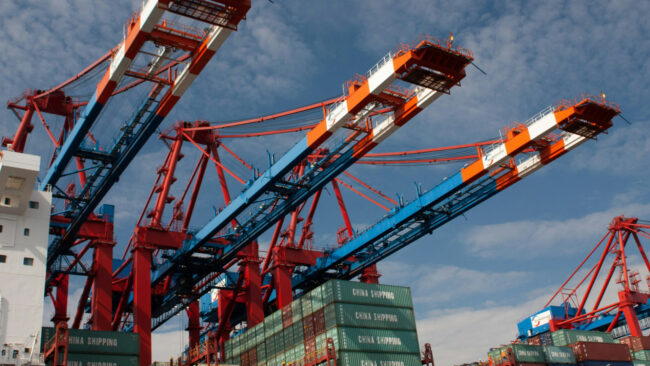
The October trade deficit fell by 39% for goods and services combined, but even the goods deficit fell to monthly numbers not seen in at least five years. The October deficit in goods was $59.14 billion, down 24.5% from September, the Bureau of Economic Analysis said on Thursday.
The United States is facing a new form of strategic dependence: Chinese-linked firms are reentering critical American industries through influence and control rather than visible ownership.
The current cost-of-living crisis – defined by the soaring cost of essential services – is not the result of excessive consumer demand or short-term inflation shocks. It is the product of decades of trade and industrial policy choices that weakened middle-class wage growth.
CPA welcomed final passage this week of the ‘National Defense Authorization Act (NDAA) for FY2026,’ (S.1071), which has been sent to President Trump’s desk for signature. The legislation advances critical national security priorities, strengthens U.S. defense readiness, raises troop pay by 3.8%, and reinforces the importance of resilient domestic supply chains and robust U.S. manufacturing capacity.
China’s foray into the automotive industry makes perfect sense for any serious, powerful economy. Every major economic power has its own car brands. China has them now, in droves.
The U.S. goods deficit with China fell by roughly $2 billion in September, coming in at $15.03 billion. China has dropped to fourth place in terms of the countries in which the U.S. has its biggest goods gap.
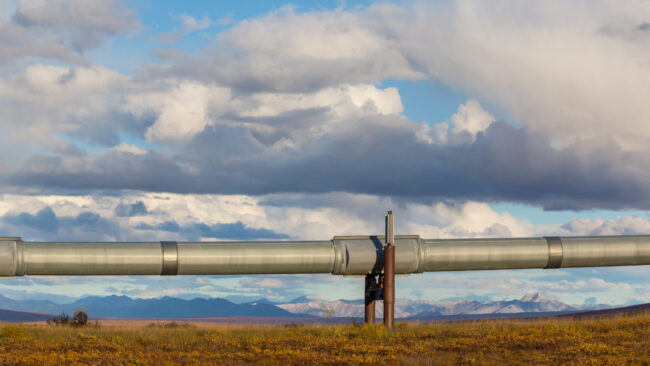
A proposed 807-mile natural gas pipeline intended to bring gas from Alaska’s North Slope to a new export terminal in the Kenai Peninsula in Southcentral Alaska will be fabricated in Korea despite the Administration’s headline “fifty percent” steel tariff.
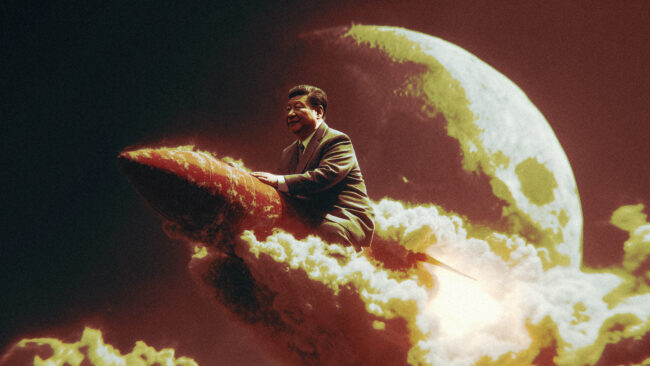
China is beating the U.S. to the Moon, namely the dark side of the Moon we never see from Earth. It’s colder there. And darker. And China has the energy technologies they’ve invented themselves to make machines work there. We do not.
Democrats on the House Committee on Small Business kept to their year-long messaging that tariffs are raising costs and hurting companies. There were many interesting themes from the Nov. 20 hearing titled How Main Street is Revitalizing Domestic Manufacturing.
The affordability crisis is primarily a result of price increases in five major sectors of consumer spending: housing, food, health care, child care, and energy. In none of those sectors are tariffs a significant factor.