



New CPA report finds America’s food security depends on fertilizer, and that foreign supply shocks—not U.S. trade remedies—are driving this year’s fertilizer crisis.
WASHINGTON, D.C. – The Coalition for a Prosperous America (CPA) today released a new report, ‘Food Security Is Fertilizer Security,’ showing that a war-driven collapse in global fertilizer supply – not American trade remedies – is behind this year’s spike in fertilizer prices as sulfur—the essential input for phosphate fertilizer—rose from roughly $100 to over $1,200 per metric ton.
The CPA report traces the crisis to three overlapping foreign shocks:
- The closure of the Strait of Hormuz, which carries roughly half the world’s traded sulfur and collapsed tanker traffic nearly 90 percent;
- Russian ammonia exports down 80 percent from Ukrainian strikes and Moscow’s own restrictions;
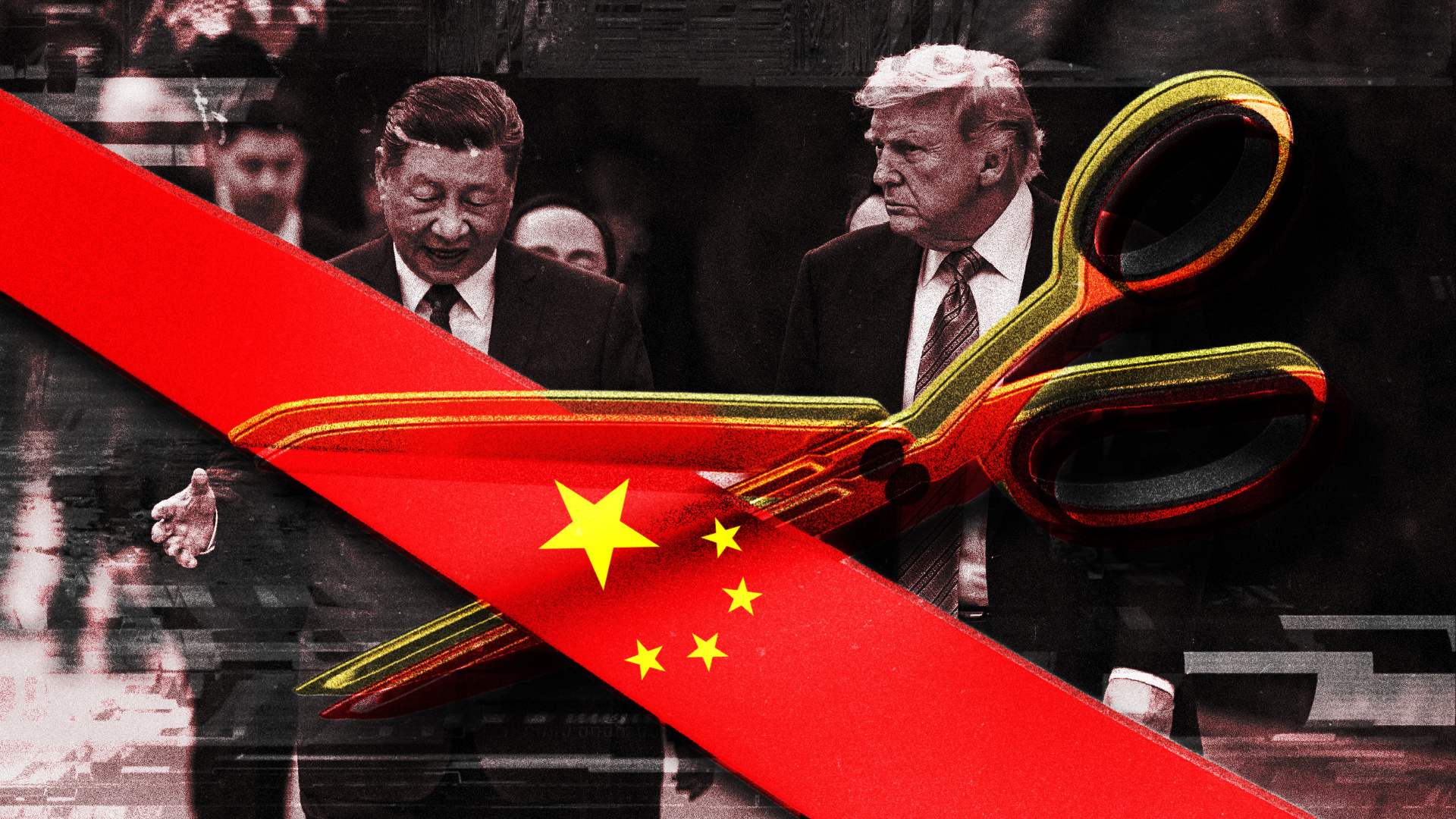
- and, Chinese export bans covering up to 40 million metric tons of fertilizer.
The World Bank projects global fertilizer prices will rise more than 30 percent this year as a result of these supply shocks.
The report finds direct food imports account for just 15 percent of U.S. food and beverage spending, with the remaining 85 percent running through a domestic agricultural supply chain worth $10.4 trillion. Fertilizer underpins that entire system: mineral fertilizers produce more than half the world’s food, and have driven up to 44 percent of corn and 45 percent of wheat operating costs since 2020.
CPA’s findings directly rebut arguments behind S. 4418 (the Lowering Input Costs for American Farmers Act), legislation that would permanently repeal countervailing duties on Moroccan and Russian phosphate fertilizer. The U.S. Department of Commerce’s July 2026 preliminary sunset review found Moroccan subsidies would likely rise to 20.04 percent if the duties were revoked – higher than the current rate. This Moroccan state monopoly controls roughly 68 percent of global phosphate reserves. Even with the duties in place, U.S. phosphate remains the cheapest major price point in the world, evidence that global sulfur shortages, not tariffs, are setting prices.
“Foreign governments have shut down shipping lanes, cut off exports, and are hoarding the raw materials American farmers need. Washington’s answer simply cannot be to hand a struggling American industry over to a Moroccan state monopoly,” said Jon Toomey, CPA President. “The administration has already put fertilizer capacity on a national security footing with the FIELDS Program and the Defense Production Act. Congress needs to finish that work by ensuring U.S. trade policy is prioritizing the health of the domestic market.”
CPA calls on Congress and the Trump administration to do the following:
- Restore the Moroccan countervailing duties after the temporary suspension expires;
- Oppose S. 4418;
- Launch a Section 232 investigation into fertilizer imports;
- Establish a strategic sulfur reserve;
- and, Give American manufacturers first claim on domestically produced sulfur.
“This isn’t a tariff story – rather, it’s a supply shock story. Sulfur went from $100 to $1,200 a ton because a war closed the Strait of Hormuz and then Russia, China, and Kazakhstan all restricted exports at once,” said Andrew Rechenberg, CPA Senior Economist and the author of this new report. “Repealing the Moroccan duties wouldn’t reopen a shipping lane or reverse an export ban. It would simply hand America’s phosphate market back to a state-owned monopoly at the exact moment domestic producers need certainty to keep investing,” concluded Rechenberg.
The full report is available here.
# # #