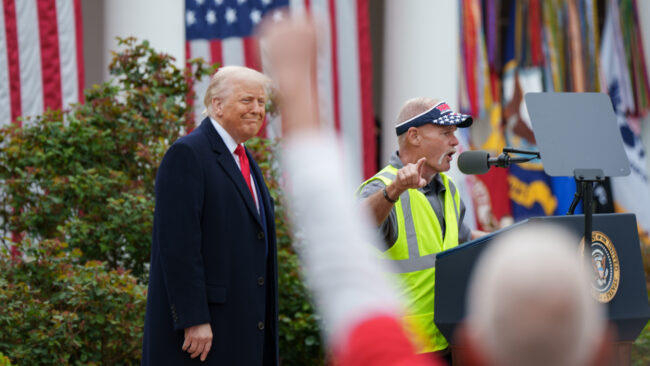
Former member of the Federal Reserve Board, Stephen Miran, did not waste much time post-government to come out publicly in favor of tariffs. In a June 28th thread on X, Miran made the market case for tariffs – centered on the “optimal tariff,” failed economic models, and revenue tariffs to curb or cut taxation.
U.S. beef prices continue to climb, with May 2026 prices already 22% above January 2025 levels. This is a serious cost-of-living issue for American families, but it is also a crisis signal for the beef industry.
The House Select Committee on the CCP’s recent hearing about China’s economic espionage and corporate influence in the U.S. suggests the Committee is taking China corporate investment here as a potential problem.
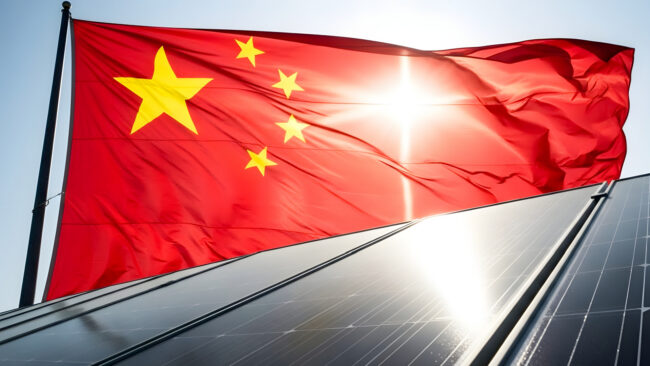
Years ago, CPA warned that China was using American clean-energy tax credits to capture our solar industry — and we led the fight to slam that door shut.
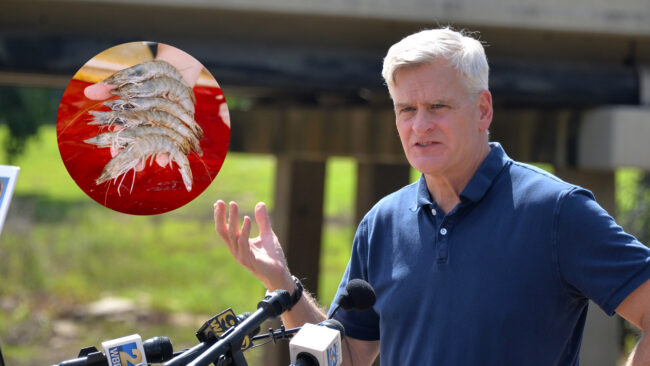
New bill protects American agricultural markets from further import displacement with inflation-indexed specific duties — assessed against volume, rather than declared value — as well as new tariff-rate quotas to stop further displacement towards imports and give farmers and ranchers certainty.
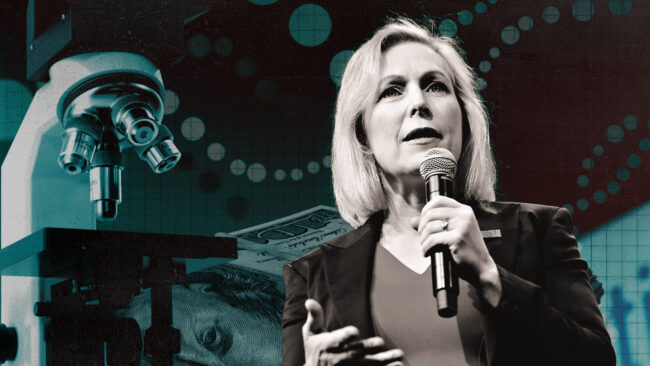
Sen. Kirsten Gillibrand (D-NY) has become one of the Democratic Party’s leading voices raising concerns about the pharmaceutical industry’s growing ties to China.
One year after Liberation Day, the most aggressive tariff escalation since 2018, the United States collected just half of what its own policy prescribes.
USTR says the U.S. goods deficit with China fell 46 percent. But the goods didn’t stop coming — importers just declared them worth less. Treating customs “value” as an appraisal hides the undervaluation now driving the numbers.
Subsidies across 15 key industrial sectors have reached their highest levels relative to revenue since the 2008-2009 global financial crisis, according to an OECD study published June 1.