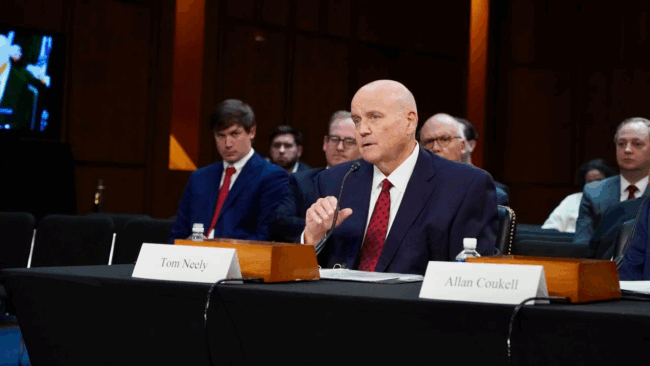
The Senate Special Committee on Aging was back at it this week discussing the woeful predicament of the domestic generic drug industry and its import-facing supply chain. This time, the Committee heard from four generic drug makers opposed to advocacy groups and Washington think tanks.
Witnesses at a Senate hearing on Wednesday, Oct. 29 titled “The Future of Biotech” discussed ways to facilitate reshoring and making it attractive to expand in the U.S. and conduct R&D here instead of in China.
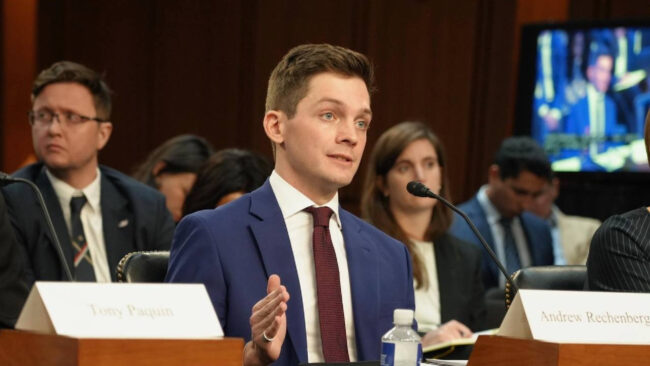
CPA Economist Andrew Rechenberg gave his testimony and answered questions in a four- panelist hearing. It was arguably the most agreeable hearing in years. A bipartisan consensus on America’s generic drug supply chain is nearly fully formed now.
Titled “The New Biotech Cold War: The U.S. Medicine Can’t Afford to Fall Behind China,” the report shows how U.S. biotech – long a pillar of national strength – no longer has a guaranteed edge globally.
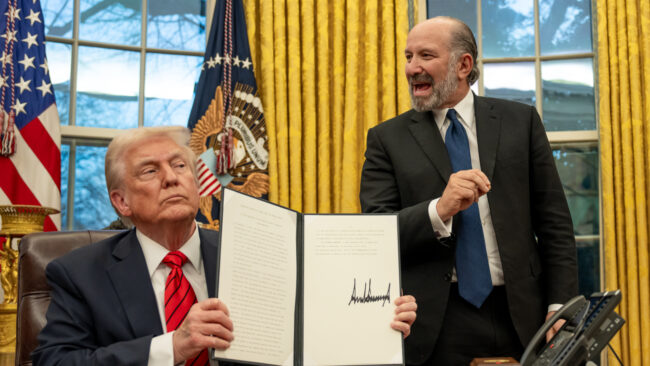
The Trump administration’s Section 232 investigation into pharmaceutical imports is reportedly close to being final. The final investigation’s success will depend largely on whether or not the Commerce Department determines that there is a crisis in the generics industry — an issue that President Trump highlighted back in 2023.
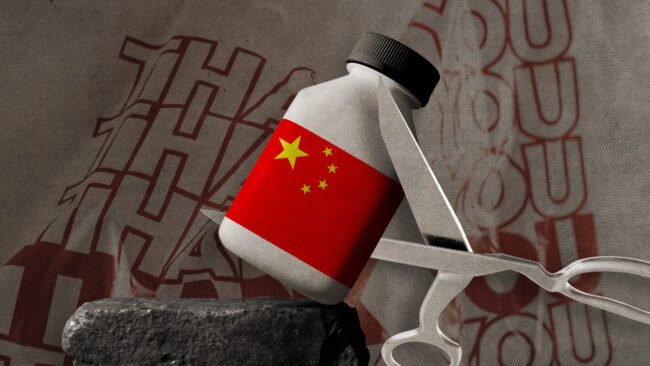
As proof that no company can match China on price, Chinese producers of active pharmaceutical ingredients (APIs) and the key starting materials (KSMs) used to make them are slashing prices by up to 50%. Not even low-cost India – one of the largest importers of Chinese KSMs – can compete at those levels.
The findings refute claims by the pharmaceutical lobby that tariffs would harm consumers, and instead underscore the urgent need for strong trade measures to reshore U.S. production of essential medicines.
America is dangerously reliant on high-risk foreign suppliers for essential generic drugs, especially APIs concentrated in China and India. That over-reliance has already triggered preventable crises, such as nationwide chemotherapy shortages when a single overseas plant shut down.
Aurobindo Pharma’s proposed $5.5 billion acquisition of Prague-based Zentiva poses an unacceptable risk to Europe’s and America’s pharmaceutical security. CPA is calling on the European Union (EU), including Czech authorities and European Commission competition regulators, to reject the transaction.