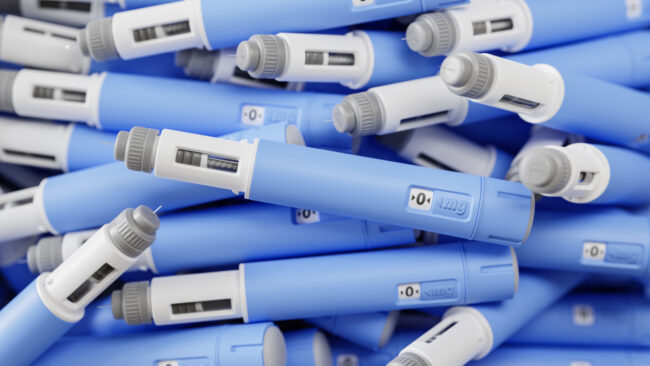
As Capitol Hill debates what the future of the U.S. generic drugs industry will look like, another alarm bell has rung at the Food and Drug Administration (FDA). This time, imported semaglutide generics – similar to Ozempic – sold by a company called the Cheap Medicine Shop were issued an FDA Warning Letter for marketing a drug that had not been approved for sale in the U.S.
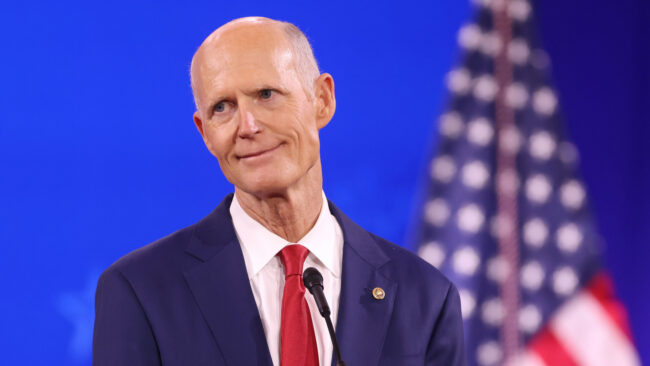
Chairman Rick Scott (R-FL) of the Senate Aging Committee made a prediction during a hearing on domestic generic drug manufacturing on Wednesday, saying that his CLEAR Labels Act will become law this year.
This report shows in stark numbers what American patients and pharmacists already feel every day – our medicine cabinet has been hollowed out, and we are now dangerously dependent on a handful of foreign, sometimes even adversarial, countries for the drugs that keep people alive.
For years, the most critical link in our drug supply chain — the upstream chemistry — has been invisible to our own regulators. A medicine finished in Europe is not necessarily a European medicine, and this rule finally begins to expose that fiction.
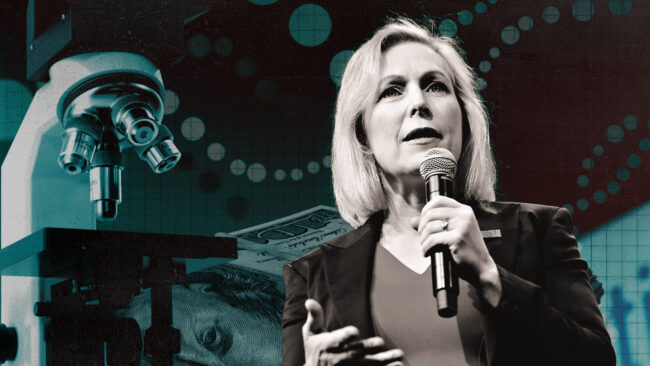
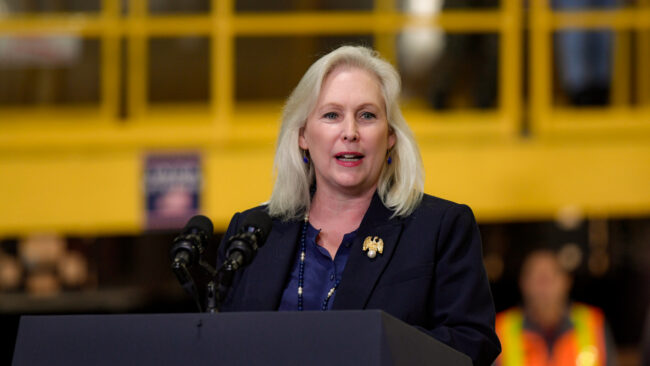
Sen. Kirsten Gillibrand (D-NY) has become one of the Democratic Party’s leading voices raising concerns about the pharmaceutical industry’s growing ties to China.
China holds a rapidly expanding position in the global biologics and biosimilars market, driven by heavy government support, regulatory reforms, and massive investments in biotech hubs like Shanghai and Suzhou.
CPA welcomes new proposals from the Food and Drug Administration (FDA) aimed at rebuilding domestic generic drug manufacturing, strengthening oversight of foreign pharmaceutical production, and improving supply chain transparency.
Everyone agrees, in particular that reliance on China for key ingredients used to make medicines is risky; and everyone agrees that further up market – in advanced biotech – China is becoming an unmatched rival that could easily shrink America’s role in drug innovation.
It’s the second month in a row now that the U.S. Senate Special Committee on Aging has taken up the question of our woeful generics supply chain. This time, however, Ranking Member Kirsten Gillibrand (D-NY), started the hearing off by touching on a key topic in pharmaceuticals: the cost equation can no longer override the quality equation.