



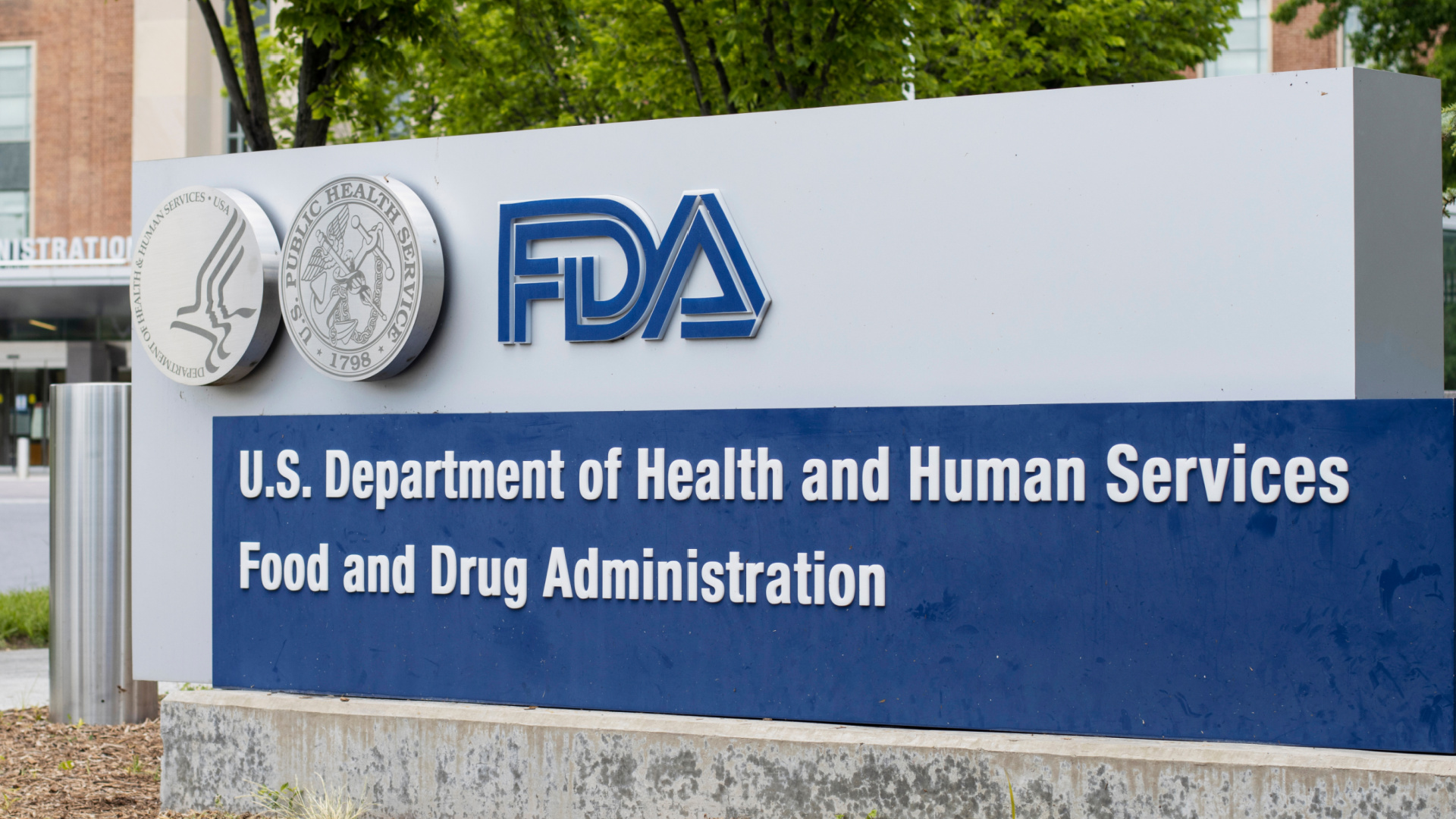
WASHINGTON, D.C. — The Coalition for a Prosperous America (CPA) welcomes new proposals from the Food and Drug Administration (FDA) aimed at rebuilding domestic generic drug manufacturing, strengthening oversight of foreign pharmaceutical production, and improving supply chain transparency.
The FDA’s fiscal 2027 budget proposal includes several targeted measures to improve the position of U.S.-based drug manufacturers. Most importantly, it would allow certain domestic generic manufacturers to file Paragraph IV certifications earlier than foreign competitors. The proposal also includes $38.5 million for global competitiveness and inspection efforts, including $9 million for advanced pharmaceutical manufacturing initiatives in the United States, along with new authorities to address fraudulent or unreliable data and improve transparency for active pharmaceutical ingredient (API) sourcing.
The Paragraph IV provision is especially important because it affects one of the most valuable opportunities in the generic drug market. Under the proposal, companies already manufacturing generic drugs in the United States, or investing in U.S. facilities to significantly expand production, would be allowed to file on the current timeline, while competing foreign firms would face a one-month delay. Because first-to-file applicants can receive 180 days of market exclusivity, that advantage would materially improve the ability of domestic manufacturers to secure exclusivity, win market share, and justify investment in U.S. production. This creates a direct commercial incentive to manufacture in America rather than offshore.
“FDA’s proposal is an important step toward restoring domestic generic drug manufacturing and addressing long-standing vulnerabilities in the pharmaceutical supply chain,” said Jon Toomey, President of the Coalition for a Prosperous America. “Giving U.S.-based manufacturers a better chance to secure Paragraph IV exclusivity creates a direct incentive to build and expand here at home.”
CPA welcomed FDA’s proposed funding to expand inspection capacity and support advanced manufacturing in the United States, as well as its push for stronger data oversight and API reporting requirements. CPA has testified directly before the Senate Special Committee on Aging that unsafe imports and weak foreign oversight are putting American patients, especially seniors, at risk. In that testimony, CPA pointed to repeated cases of falsified records, contamination, and concealed quality failures at overseas plants, as well as evidence that generic drugs made in India carry a 54% higher risk of severe adverse events than those made in the United States.
CPA also warned that many foreign facilities go five years or more without FDA inspection, while overseas inspections were until recently largely pre-announced, giving bad actors time to conceal violations. FDA’s proposal directly addresses those weaknesses by expanding inspection capacity, strengthening data-integrity enforcement, and improving API reporting and supply chain transparency, while also helping bring new U.S. production online faster.
In its Section 232 comments, CPA argued that U.S. dependence on foreign pharmaceutical imports now threatens both public health and national security. With critical drugs and active pharmaceutical ingredient supply chains heavily concentrated in China and India, the United States faces growing exposure to shortages, substandard imports, and hostile supply disruption. CPA therefore called for a Section 232 tariff-rate quota system, paired with production and investment tax credits for critical generics and APIs, as the core of a broader strategy to rebuild domestic manufacturing, strengthen supply chain security, and reduce reliance on dangerous foreign chokepoints.
“America does not just have a drug shortage problem. It has a drug production problem,” Toomey added. “For too long, domestic manufacturers have been forced to compete in a system that rewards the cheapest foreign supplier, even when that means more fragile supply chains, weaker transparency, and greater patient risk. FDA’s proposal begins to recognize that domestic production capacity is itself a public health and national security asset.”
CPA emphasizes that regulatory reform must be paired with trade and procurement policy to fully restore domestic pharmaceutical capacity. CPA will continue working with Congress and the administration to advance a broader strategy that strengthens U.S. generic and API manufacturing, restores supply chain resilience, and ensures that American patients have access to safe, reliable, and domestically produced medicines.
# # #