Should Chinese organizations and individuals be allowed to donate to American colleges, and should their PhD students have access to scientific research grants? It’s not an easy question to answer.
The letter underscores a critical point: any effective policy response must address the entire solar supply chain—from polysilicon to ingots, wafers, cells, and finished modules—rather than focusing on a single segment in isolation.
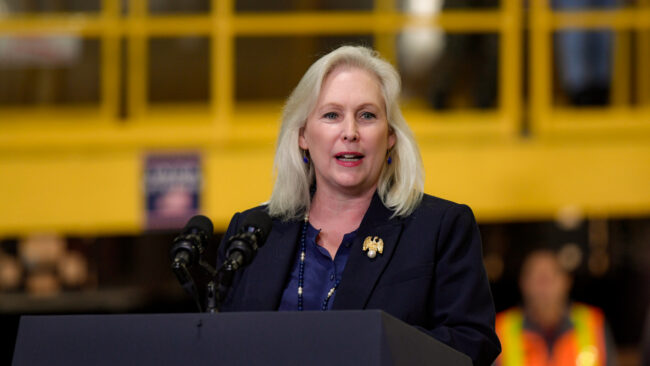
It’s the second month in a row now that the U.S. Senate Special Committee on Aging has taken up the question of our woeful generics supply chain. This time, however, Ranking Member Kirsten Gillibrand (D-NY), started the hearing off by touching on a key topic in pharmaceuticals: the cost equation can no longer override the quality equation.
The development of GTAP-USL economic model marks another step forward in our efforts to make the GTAP more realistic and a better predictor of the real-world effects of trade policies or trade shocks. It’s critical to build models that provide a better understanding of how policies impact people, families, racial groups, gender, cities and regions. There is still more work to be done.
Section 301 is a powerful tool for addressing foreign policies that distort global markets and disadvantage American producers. When foreign governments explicitly pursue overproduction and then export the resulting surplus into the United States, the effect is to displace domestic output and deter new investment in American manufacturing.
The overall goods and services deficit number for January looked pretty good – coming in at $54.4 billion, its lowest monthly point in years. But when services are stripped from the equation, the goods trade looks like it has returned to level footing. January’s goods deficit was $81.7 billion, according to Thursday’s trade data from the Bureau of Economic Analysis.
Section 301 actions against a particular country or group of countries are more likely to merely shift international supply chains as opposed to growing domestic productive output.
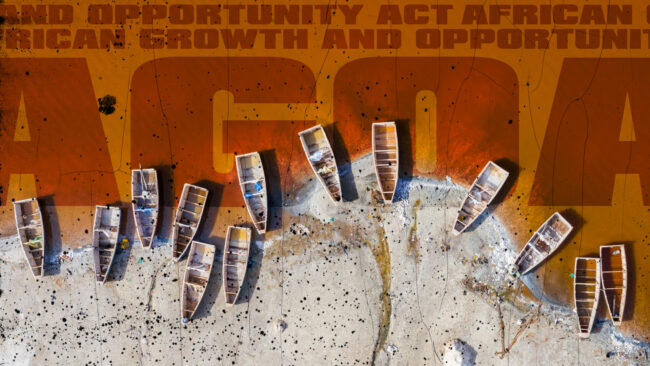
The free trade, foreign policy apparatus on Capitol Hill is openly advocating for the extension of the African Growth and Opportunity Act (AGOA), with senior committee leaders from both parties coming out in favor of it during a March 3 Center for Strategic and International Studies event about the trade deal’s future.