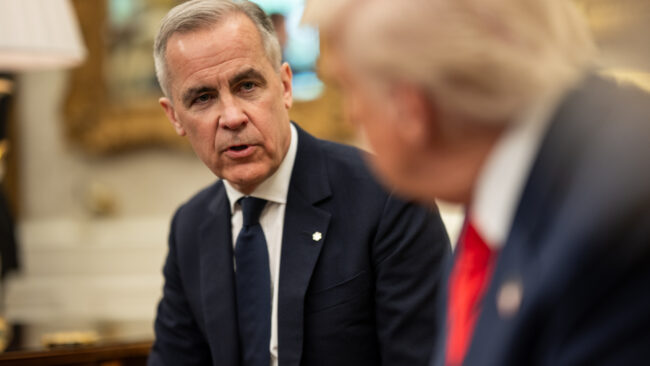
CPA: U.S. Must Hold the Line on Section 232 Steel and Aluminum Tariffs
President Trump was right to strengthen the Section 232 tariffs on steel and aluminum, and the breakdown of these negotiations should put an end to proposals to weaken them.



President Trump was right to strengthen the Section 232 tariffs on steel and aluminum, and the breakdown of these negotiations should put an end to proposals to weaken them.

If Canada wants a deal, there is no shortage of things Ottawa can put on the table — America’s national security tariffs on aluminum and steel are not among them
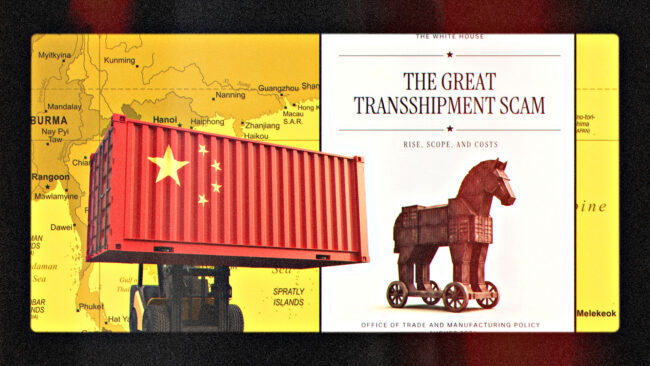
The report documents how goods subject to higher U.S. tariffs are routinely rerouted through lower-tariff countries, undermining both tariff enforcement and American manufacturing.

For years, the de minimis loophole allowed foreign shippers to send packages valued at up to $800 into the United States duty-free, tax-free, and with virtually no customs scrutiny — so long as the foreign vendor merely alleged the value was below the threshold.

The companies that spent a year insisting tariffs were a tax on consumers are now cashing the refund checks themselves.

Today’s Section 232 proclamation secures that foundation, and the entire structure is built to reward one thing: manufacturing in America. Companies investing in U.S. polysilicon, wafer, and cell production are the clear winners, and companies that continue to rely on imports will be at a disadvantage.
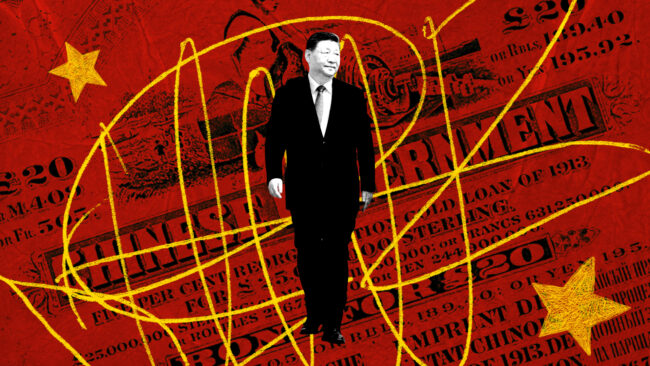
The CCP is ready to look back decades for taxes owed to it — but not for the sovereign bond obligations it owes to thousands of American families.
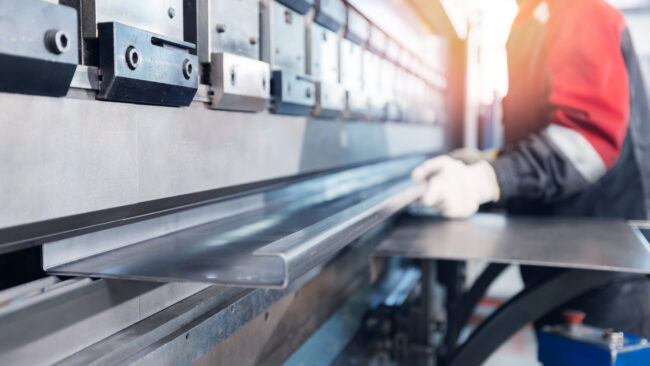
Findings show that U.S. tariff policy leaves the aluminum industry’s largest employment base exposed, even as primary aluminum tariff costs are passed on to extruders and fabricators.
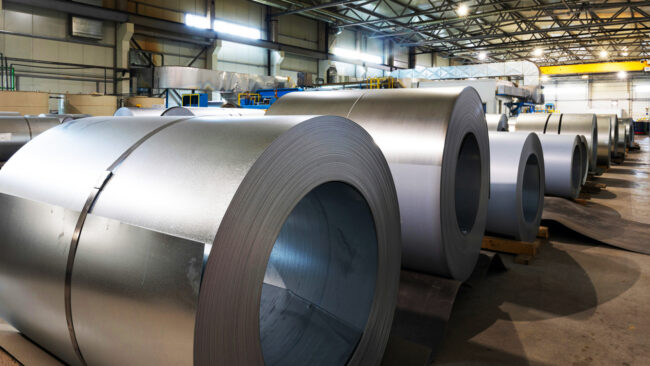
U.S. aluminum tariff policy must consider the full aluminum value chain. Downstream extruders and fabricators account for most aluminum manufacturing employment and are the key producers converting metal into critical products used in construction, transportation, machinery, electrical systems, packaging, defense, and other industrial markets.
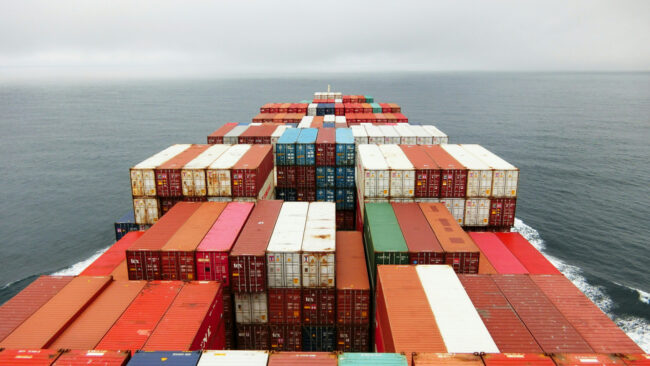
Despite foreign currency gains against the dollar in top trading partners like Mexico, Vietnam and China, import values for goods came in at $309.01 billion. That is the second highest import value of the year following May’s $316.86 billion surge, the Bureau of Economic Analysis said on Tuesday.