
Market Says Dollar Too Strong; Overvalued Currency a Problem For Washington’s Reshoring Plans
The market is in agreement: the dollar is overvalued and will likely remain that way all year.



The market is in agreement: the dollar is overvalued and will likely remain that way all year.

Respected economists including Janet Yellen, Mario Draghi, Paul Romer and Angus Deaton have been critical of free trade and globalization in recent weeks.

CPA strongly supported a previous AD/CVD case filed by Auxin Solar where the Commerce Department determined that Chinese companies operating in Malaysia, Thailand, Vietnam, and Cambodia are illegally circumventing.
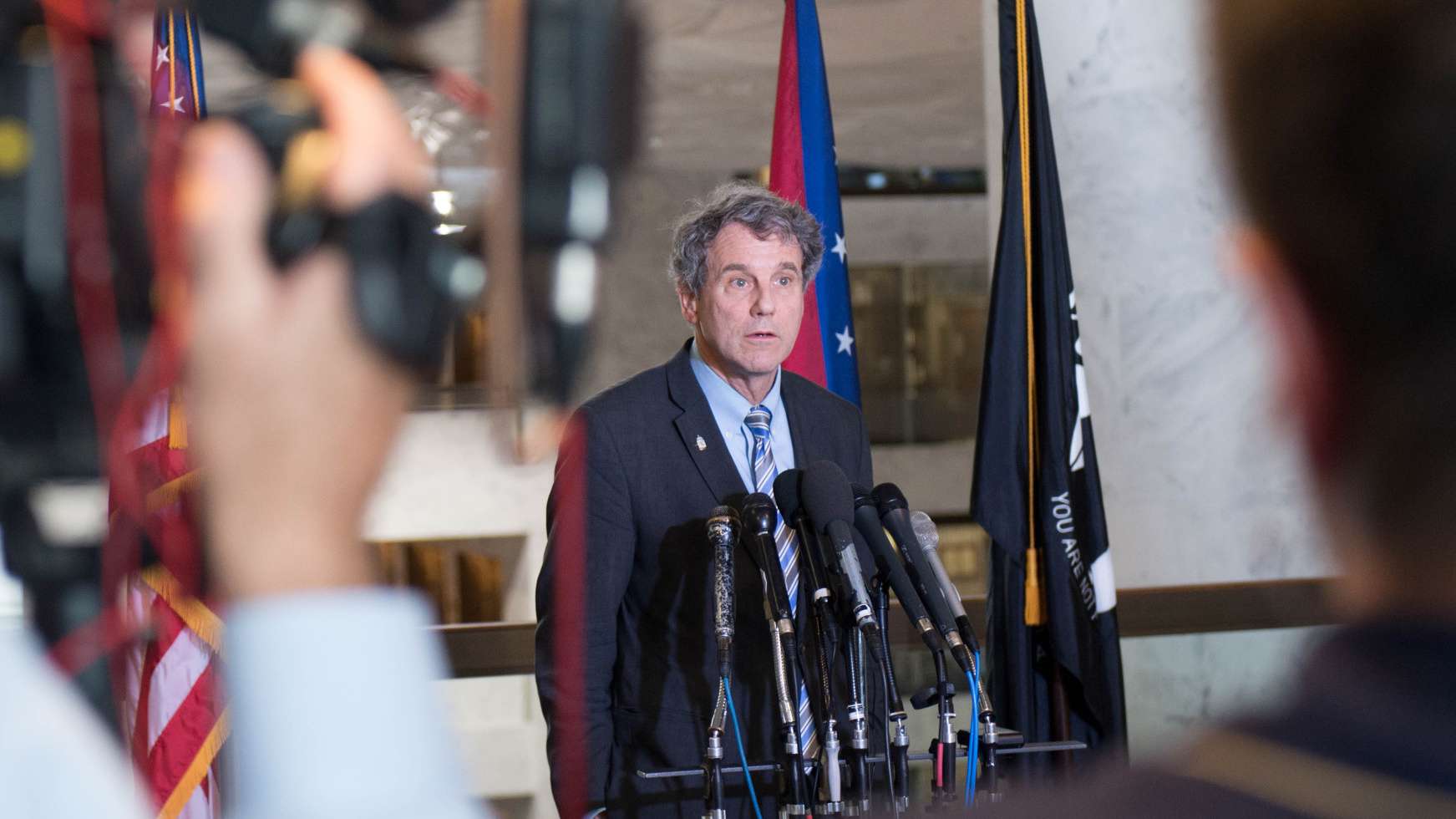
Despite USMCA being the “gold standard” trade agreement, Mexican trade problems are increasing with the U.S. The Senate Finance Committee on Wednesday brought up the

USTR Katherine Tai was repeatedly taken to task by farm state senators in Wednesday’s Senate Finance Committee hearing for what they see as lackluster attempts at opening markets for U.S. agriculture exports.
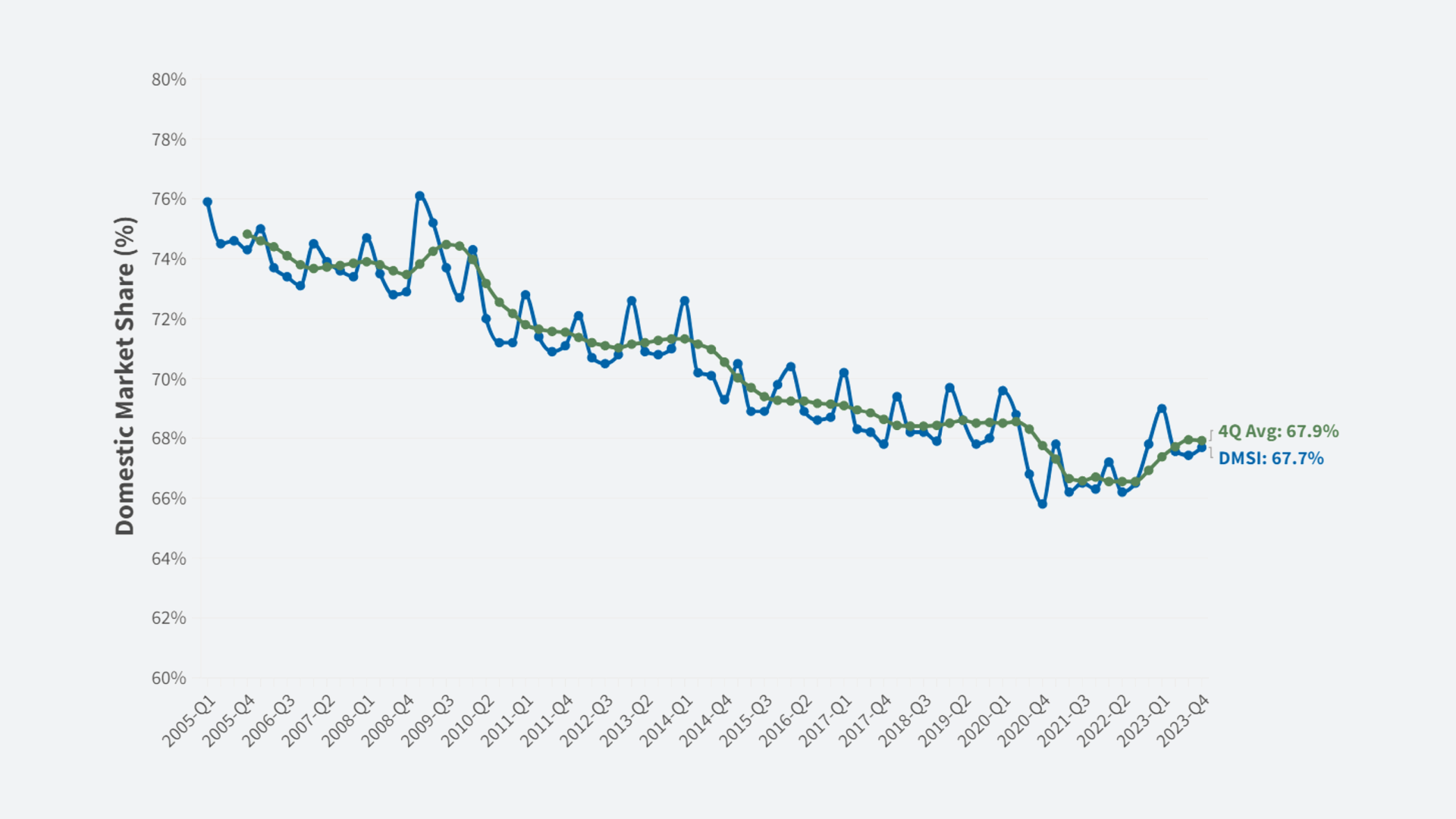
The CPA Domestic Market Share Index (DMSI) rose slightly for both Q4 2023 and the full year last year. The U.S. trade deficit in manufactured goods came in at an alarmingly high $1.07 trillion last year.
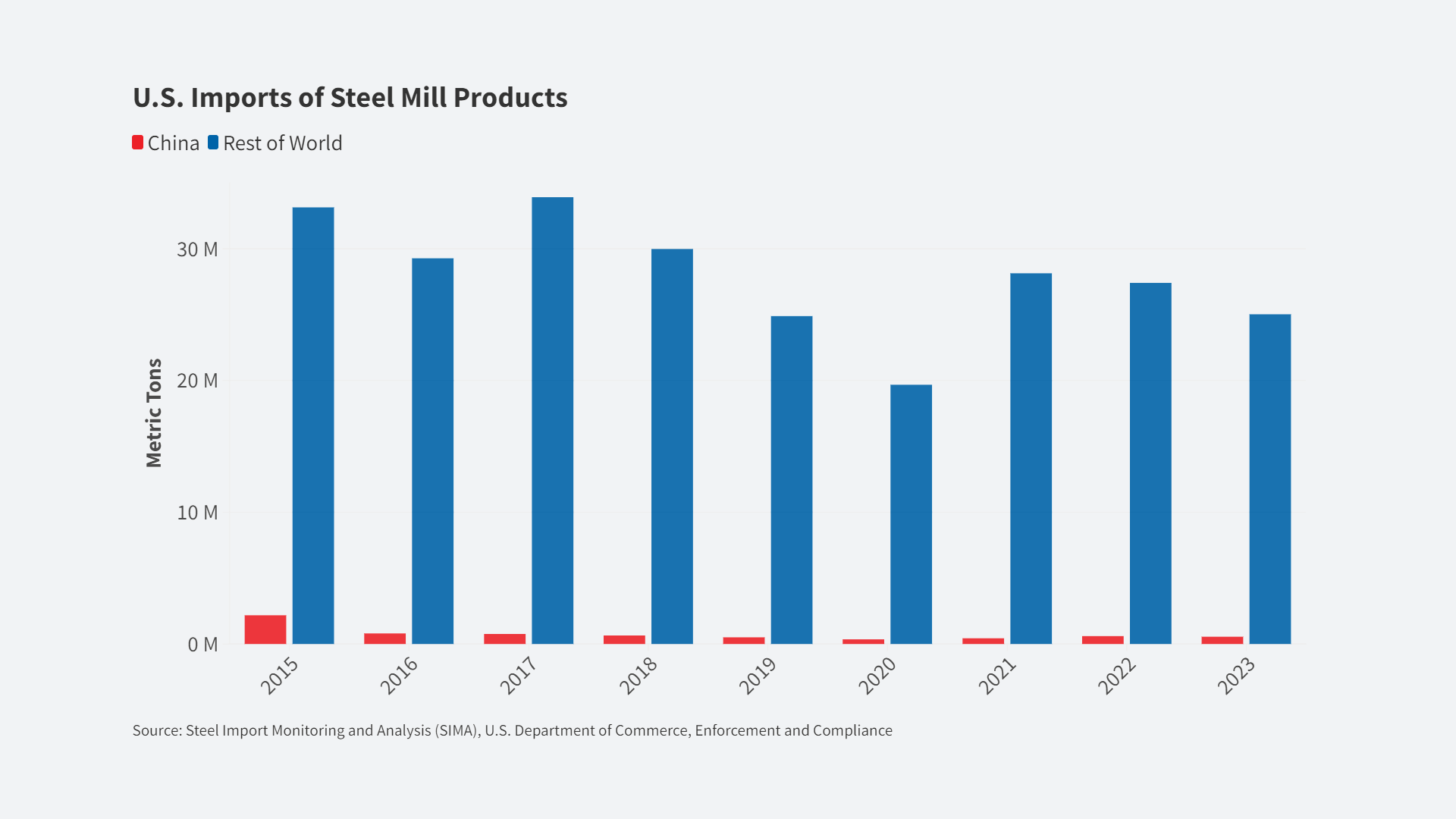
The Biden administration’s recently announced proposal to increase the steel and aluminum tariffs on Chinese products from 7.5% to 25% could be a mixed bag.

In 2022, during the last Congress, House Democrats passed the Import Security and Fairness Act, which would deny de minimis treatment for all Chinese merchandise.
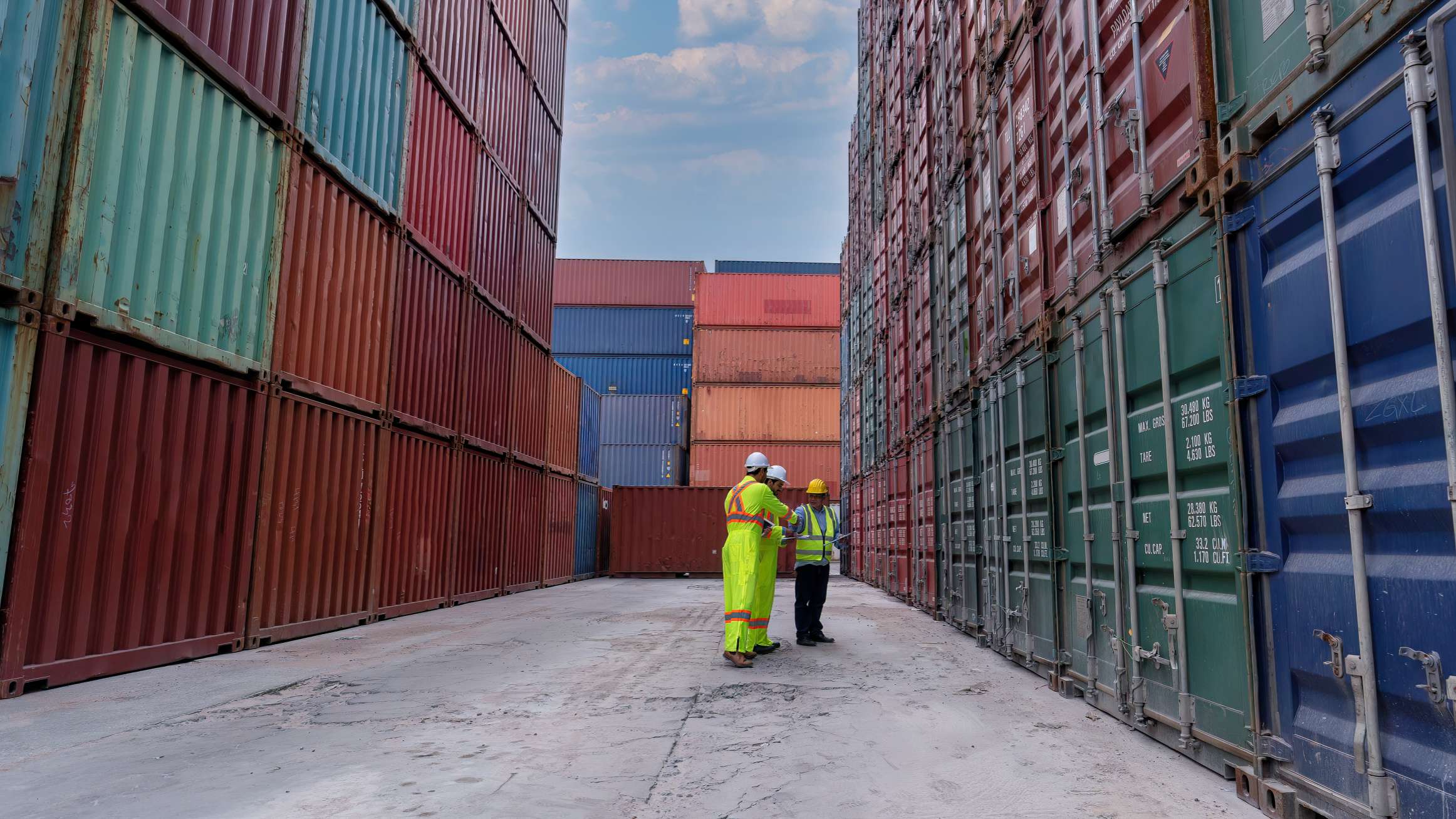
After three years of languishing in limbo, the Generalized System of Preferences (GSP), a quasi-free trade deal with more than 100 developing nations, will move out of the House Ways and Means Committee to the full House.
At a time when China continues its attempts to decimate American manufacturers and workers through predatory trade activity, Chairman Jason Smith’s leadership on trade issues has been a welcome improvement over previous chairs that have rubber stamped failed free trade programs.