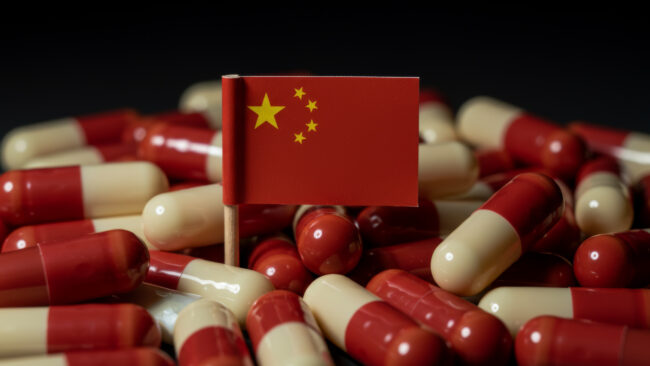
In the U.S. today, frontline cancer treatments are being rationed. ERs are short on sedatives. Amoxicillin—one of the most prescribed antibiotics in the country—has been in critical shortage. These are not temporary disruptions. They reflect a structural breakdown caused by the erosion of America’s pharmaceutical manufacturing base and a decades-long surge in generic drug imports.
The American pharmaceutical supply chain has become dangerously dependent on imports and foreign-controlled supply chains. Over the past 20 years, the country has experienced a skyrocketing rate on pharmaceutical imports and increasing foreign reliance.
Feeding America with abundant, healthy, locally-produced food is as important as any trade or industrial goal. Reinforcing our capacity to feed ourselves makes the nation stronger, safer, and more prosperous, whole the Big Ag status quo blindly follows a globalized model that has left far too many American farms behind.
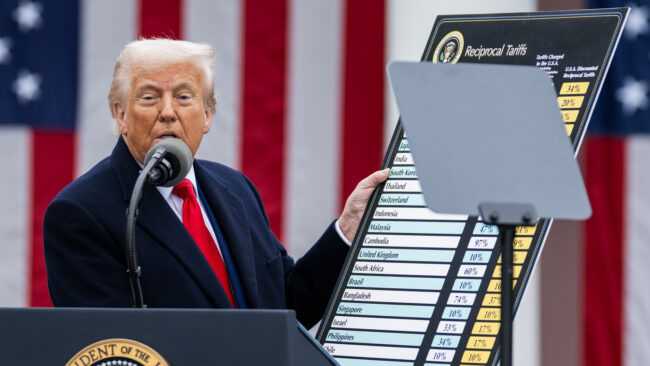
On April 2, President Donald Trump took bold and historic action to defend American industry with the announcement of sweeping new tariffs aimed at countering unfair foreign trade practices and reigniting U.S. manufacturing. Dubbed “Liberation Day”, this policy marks the first major step in a new era of economic revitalization—one where the United States refuses to accept the systematic dismantling of its industrial base and begins to chart a path back to true production-led prosperity.
In June 2022, the Biden administration introduced a two-year tariff moratorium, temporarily suspending import duties on solar cells and panels from four key Southeast Asian exporting nations—Cambodia, Malaysia, Thailand, and Vietnam.
Agriculture has long been a key part of Iowa’s economy. But the state is now facing escalating trouble, including the loss of more than 26,000 family farms since 1982.
The evidence is clear: neither tariffs nor the surge of imports from trade liberalization have had a significant effect on inflation, positive or negative.
The study confirms that even President Trump’s most substantial tariff increases have a minimal impact on inflation, leading to a small total cumulative price increase, likely spread out over several years.
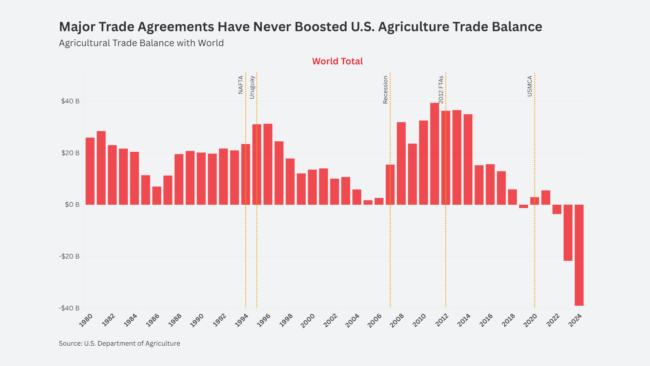
Decades of free trade agreements have led to a record $39 billion agricultural trade deficit in 2024, undermining the broader U.S. agricultural industry.