Witnesses at a Senate hearing on Wednesday, Oct. 29 titled “The Future of Biotech” discussed ways to facilitate reshoring and making it attractive to expand in the U.S. and conduct R&D here instead of in China.
President Trump has already made the most important deal of his life—his promise to the American people to end U.S. dependence on China and rebuild our domestic industrial capacity.
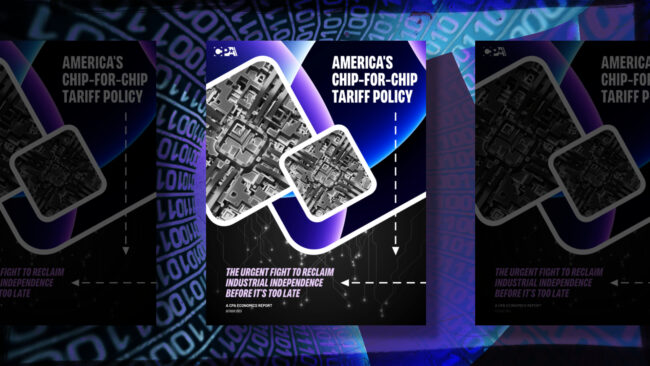
The report, titled “America’s Chip-for-Chip Tariff Policy: The Urgent Fight to Reclaim Industrial Independence Before It’s Too Late,” finds that the United States now produces only 10 percent of the world’s chips—and almost none of the most advanced ones—while China has captured the majority of global capacity for legacy chips, the mature semiconductors essential to cars, medical devices, and industrial equipment.
The Trump administration’s section 232 investigation into medical devices and personal protective equipment is a vital step toward ensuring America takes back control over its production and domestic supply of critical medical products.
The hearing continued the committee’s efforts to examine and reduce America’s severely dangerous over-dependence on foreign-manufactured generic drugs and address vulnerabilities in the nation’s pharmaceutical supply chain.
Move seen as a critical step to protect U.S. manufacturing, American jobs, and national security WASHINGTON, D.C. — The Coalition for a Prosperous America (CPA)
The era of global dependency on the CCP is over. For decades, Wall Street, multinational corporations, and globalist institutions helped finance China’s rise at the direct expense of American workers, manufacturers, and national security.
Titled “The New Biotech Cold War: The U.S. Medicine Can’t Afford to Fall Behind China,” the report shows how U.S. biotech – long a pillar of national strength – no longer has a guaranteed edge globally.
Strong enforcement against trade fraud isn’t optional—it’s essential to rebuilding our industrial base and securing long-term prosperity for American communities.