


CPA Calls for U.S. to Adopt a Managed Approach to Trade, Setting Limits on Global Imports ThroughTariffs and Quotas in Strategic Sectors
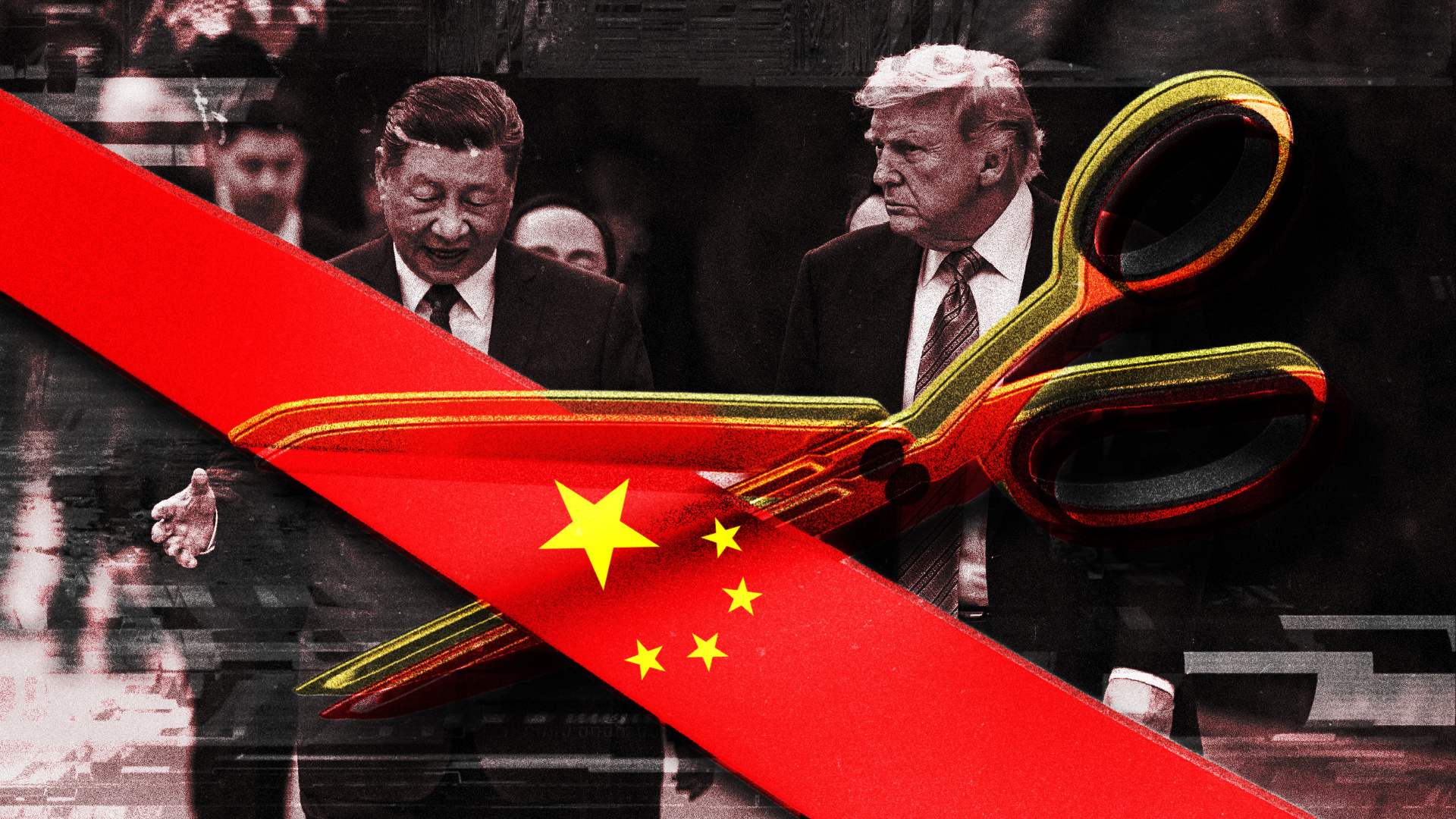
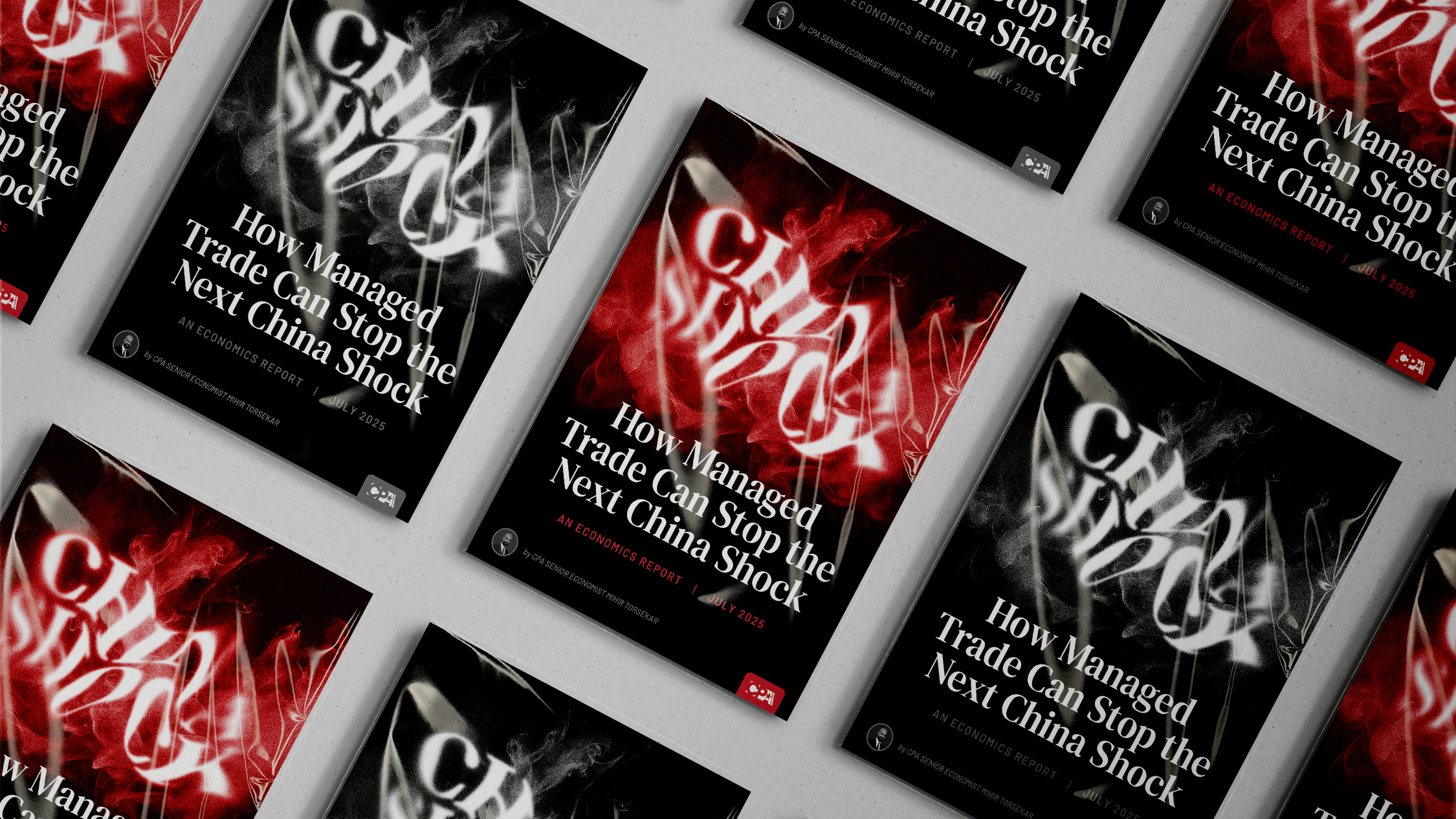
WASHINGTON, D.C. — The Coalition for a Prosperous America (CPA) today released a new report by its economics team titled, “How Managed Trade Can Stop the Next China Shock.” China’s entry into the World Trade Organization (WTO) in 2001 initiated the first “China Shock,” which triggered the closure of tens of thousands of U.S. factories. Now, a second China Shock is underway—one driven not by cheap consumer goods, but by industrial overcapacity in high-tech sectors like electric vehicles, solar panels, and semiconductors that threatens to destabilize global trade.
The report shows how China’s policies have distorted these markets and contributed to unsustainable trade deficits in the United States. For example, the U.S. trade deficit increased by $870 billion (202%) during 2001-24 and now sits at a record $1.3 trillion. This is a direct reflection of our growing import dependence on China. The report is full of charts and data showing how China has become the world’s most formidable manufacturing power since entering the WTO thanks to mercantilist, non-market policies and rampant IP theft which quickly moved China up the high tech food chain more than any other developing economy.
Under the new China Shock 2.0, China is increasing its manufacturing output and selling goods once bound for the U.S. to markets throughout Asia and, increasingly, into Europe today. China is also notorious for using trade circumvention via third countries, namely Southeast Asian nations—to ensure that its industrial surplus is absorbed, and the duties imposed by the U.S. are mitigated.
“In order to stop the next China Shock, CPA advocates for the U.S. to adopt a managed approach to trade, requiring the government to set limits on import flows through such measures as tariffs or quotas in strategic sectors,” said Jon Toomey, President of CPA. “Through the widespread adoption of Section 232 tariffs applied under the Trade Expansion Act – the second Trump Administration is signaling its commitment to achieve this paradigm shift. This Administration must learn from past mistakes, and go directly after the China trade policies that have distorted global markets, decimated the U.S. manufacturing sector, and contributed to unsustainable trade deficits in the United States.”
Additionally, the report explores how Section 232 tariffs—initially applied to steel and aluminum during the first Trump Administration under national security grounds – serve as a case study to prevent a second China Shock.
“China has consistently circumvented U.S. measures such as restrictions, sanctions and tariffs, using third-countries as a vehicle to reroute trade (transshipment) and build manufacturing hubs for export into the United States (nearshoring),” said Mihir Torsekar, Senior Economist of CPA, and the author of this report. “Unlike failed efforts towards managed trade like in the Phase One Agreement – in which China fell far short of its pledge to purchase an additional $200 billion in U.S. goods and services throughout 2020-21 – Section 232 tariffs impose hard, structural constraints that are enforceable at the border and applicable to all sources of circumvention.”
As devastating as the first China Shock was to the United States, the China Shock 2.0 might be even worse. Washington must be mindful of protecting strategic sectors of the economy, including new, rising industrial sectors such as autonomous machines and clean energy equipment.
The second Trump Administration has initiated nine Section 232 investigations into critical sectors of U.S. manufacturing. In addition to validating the importance of domestic production for national security, these sectoral tariffs mark an important shift away from market-based trade, which China exploited, towards a system of managed trade.
# # #