CPA Applauds Launch of Robotics, Industrial Machinery, and Medical Device Section 232 Investigations
The latest Section 232 announcements expand the list of ongoing investigations into imported goods that could be exposed to higher tariffs.



The latest Section 232 announcements expand the list of ongoing investigations into imported goods that could be exposed to higher tariffs.
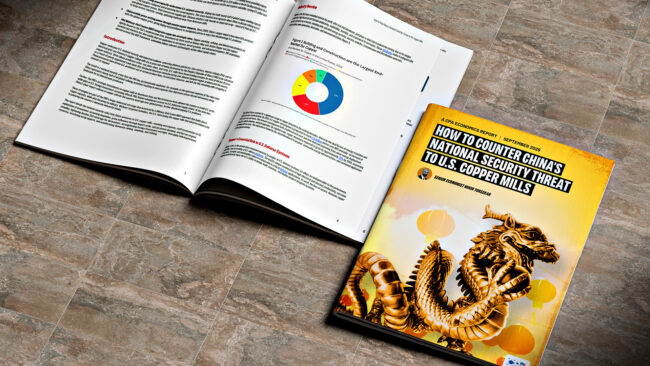
Findings Indicate that Copper Products Remain Essential to U.S. Economy and National Security as Trump Administration Seeks to Protect and Enhance Industry
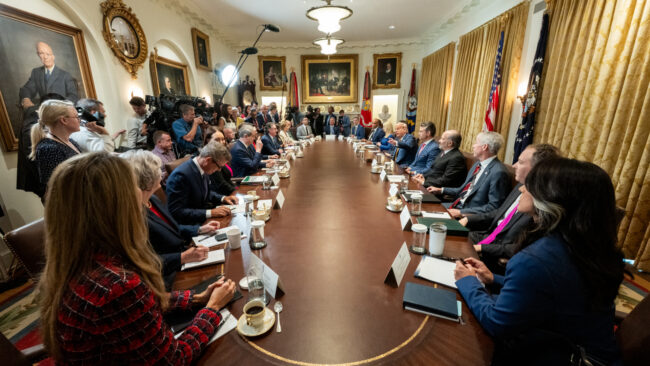
CPA welcomes the launch of a cross-agency Department of Justice and Department of Homeland Security Trade Fraud Task Force, aimed at bringing robust enforcement against importers and other parties who seek to defraud the United States.

The closure of the de minimis loophole – which went into effect at midnight – stops the descent into eCommerce lawlessness characterized by the rise in platforms like Temu and Shein, and the fact that judgment-proof overseas retailers now make up the majority of vendors on Amazon’s U.S. store.
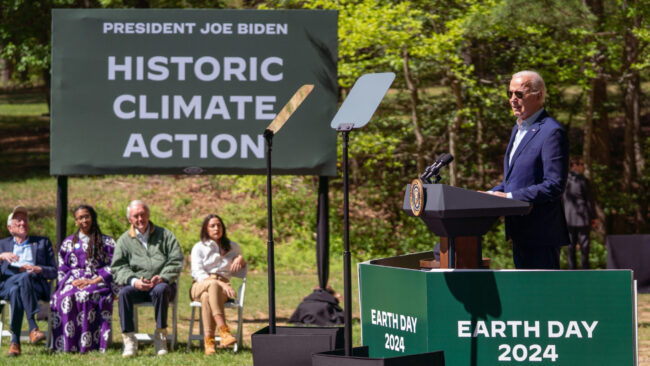
Ruling Clears the Way for Retroactive Tariffs on Billions in Illegally Imported Chinese Solar Equipment

The findings refute claims by the pharmaceutical lobby that tariffs would harm consumers, and instead underscore the urgent need for strong trade measures to reshore U.S. production of essential medicines.

Aurobindo Pharma’s proposed $5.5 billion acquisition of Prague-based Zentiva poses an unacceptable risk to Europe’s and America’s pharmaceutical security. CPA is calling on the European Union (EU), including Czech authorities and European Commission competition regulators, to reject the transaction.

The study details how Beijing is pursuing a program of “space sector capture” to penetrate and control the space sectors of more than 120 countries through agreements with ostensibly private Chinese companies that, in effect, act as fronts for the People’s Liberation Army (PLA).

The inclusion of these steel products in the Section 232 tariff program will mean more jobs, more Made-in-the-USA, and help provide steady-order volume to our primary steel producers.
The Secure Trade Act codifies the President’s ten-percent universal tariff, and also repeals China’s “Most Favored Nation” (MFN) status.