President Trump has made American reindustrialization and reshoring central to his economic policy agenda. Reviving American manufacturing enjoys broad public support and has increasingly become a bipartisan priority.
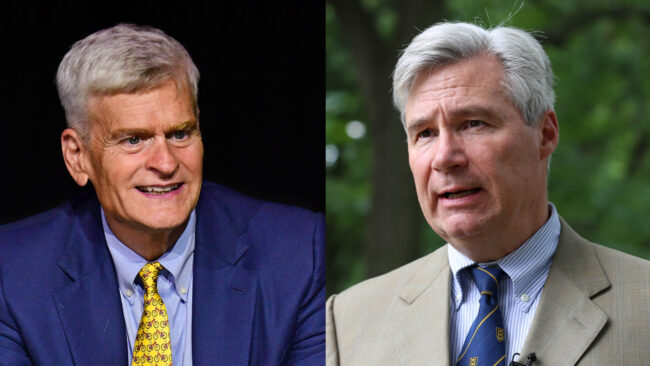
CPA strongly supports Senator Cassidy and Whitehouse’s Last Sale Valuation Act because it closes a long-standing loophole that has allowed multinational importers to artificially understate the value of goods entering the United States.
The Tax Foundation’s calculation simply assumes the approximate $132 billion in new 2025 tariff revenue is paid directly by households, dividing that figure across 134.8 million households to produce an average estimate of a $1,000 annual burden per household.
This Interim Agreement framework reflects a long overdue acknowledgment that essential medicine supply chains cannot be left to foreign dominance, particularly by India or an adversary like China.
As highlighted in the Oval Office at the White House this week, Clarios played a part in the launch of ‘Project Vault,’ a major initiative to strengthen U.S. critical minerals security and safeguard American battery supply chains from global disruptions.
China’s trade surplus has crossed a dangerous threshold. In 2025, it exceeded $1 trillion for the first time, surpassing the previous record of $993 billion.
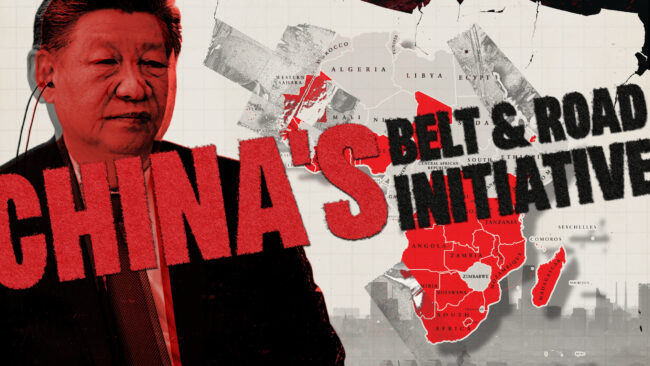
AGOA, first enacted in 2000, provides qualifying sub-Saharan African nations with tariff-free access to the U.S. market for thousands of products and was intended to support economic development, democratic reform, and stronger geopolitical ties to the United States.
We must stop importing more goods than we export, leaving us deeply indebted to our trading partners. I urge Congress to urgently pass a bill that would implement the Market Access Charge. Call your Congressman and Senator today to urge them to support the introduction of such a bill.