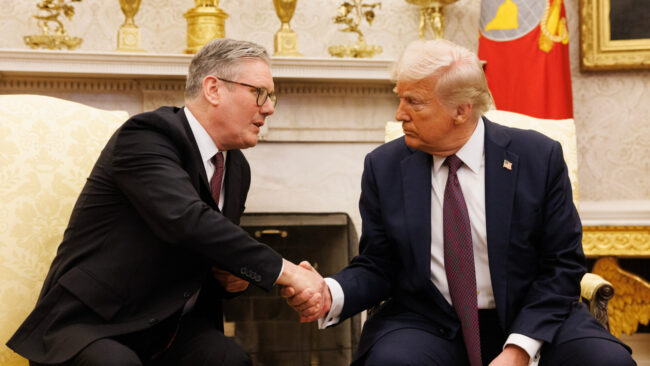
While CPA recognizes certain positive elements of the deal — including a historic pivot towards prioritizing tariff revenue as well as industrial protection — it remains concerned about dangerous precedents being set by sacrificing domestic production while pursuing foreign market access.
By maintaining the 10% baseline tariff and capping UK auto imports at 100,000 vehicles per year before higher tariffs apply, the administration is demonstrating that trade policy can and should be used to protect and rebuild domestic industry.
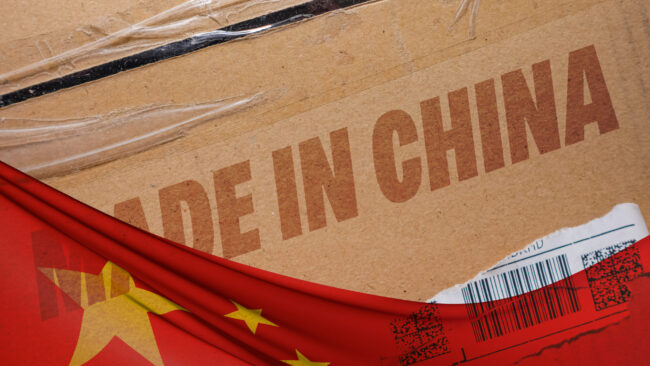
President Trump’s action to close the de minimis loophole for China is a monumental victory for American workers, manufacturers, and national security.
The IPO, widely seen as the first major test of President Trump’s America First Investment Policy (AFIP), directly undermines the President’s February directive to block U.S. investment in companies linked to the Chinese military, human rights abuses, and authoritarian surveillance state.
Foreign imports primarily from Cambodia, Malaysia, Mexico, Thailand, and Vietnam—that are heavily subsidized by China—are destroying American cabinet jobs.
The Department’s decision confirms what CPA has consistently warned: Chinese solar companies have been illegally circumventing U.S. trade laws through Southeast Asian shell operations, flooding the U.S. market with dumped and subsidized products directly harming the domestic solar manufacturing industry.
This legislative initiative aligns with CPA’s commitment to ensuring that U.S. capital does not inadvertently support adversarial regimes that undermine America’s economic and national security interests.
CPA remains unwavering in our commitment to rebuilding U.S. industry and supporting American workers. China’s latest move only proves that our efforts are making an impact—and we will not back down.