
Americans Are Dangerously Dependent on Foreign-made Generic Drugs. Tariffs Can Fix That.
Tariffs on pharmaceutical companies isn’t just good economic policy — it benefits national security and public health.



Tariffs on pharmaceutical companies isn’t just good economic policy — it benefits national security and public health.

This legislative initiative aligns with CPA’s commitment to ensuring that U.S. capital does not inadvertently support adversarial regimes that undermine America’s economic and national security interests.
CPA remains unwavering in our commitment to rebuilding U.S. industry and supporting American workers. China’s latest move only proves that our efforts are making an impact—and we will not back down.

The United States is amid a dangerous drug shortage that endangers patients, undermines our health care system and exposes a deep vulnerability to national security. America’s overwhelming reliance on foreign manufacturers for generic drugs is at the center of it.
The Trump administration’s decision to impose a permanent 10% baseline tariff on imports from all countries, combined strategically with higher reciprocal tariffs on nations engaging in unfair trade practices, marks a crucial step forward in reindustrializing America and restoring economic strength and security.

Break out the Grizzly cooler and fire up the Broilmaster—it’s Liberation Day. In President Trump’s words, April 2 marks the end of the US of A being “ripped off by virtually every country in the world.”

The stock market is not the economy, and it certainly isn’t a proxy for the health of U.S. manufacturing or working-class prosperity.

The National Institutes of Health (NIH) is today the main source of new drugs in this country – indeed the world, because America leads in the field. It has a critical importance to America’s health. Less well known is its huge, positive, economic impact.
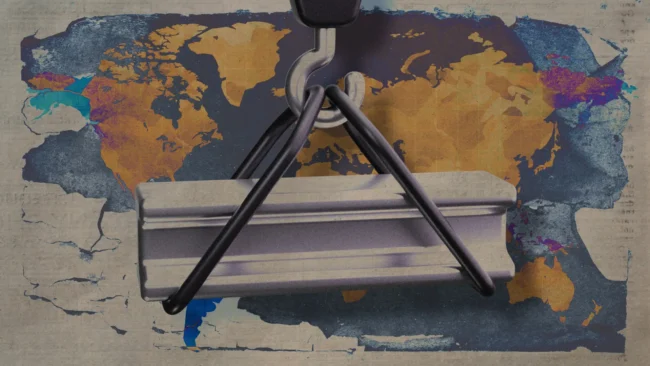
As the United States looks to compete in these advanced industries, it’s important to remember the two building blocks that undergird them: Steel and aluminum.

CPA’s new Trade Issues and Tariff Recommendation Tracker highlights specific tariff recommendations that will produce near-term wins.