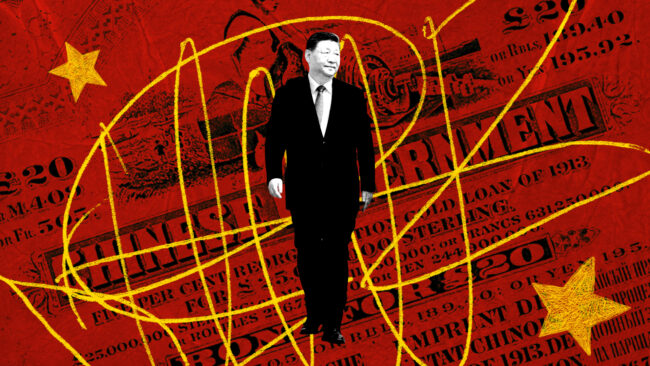
Beijing Wants Its Money From 1997. American Bondholders Have Been Waiting Since 1938.
The CCP is ready to look back decades for taxes owed to it — but not for the sovereign bond obligations it owes to thousands of American families.



The CCP is ready to look back decades for taxes owed to it — but not for the sovereign bond obligations it owes to thousands of American families.
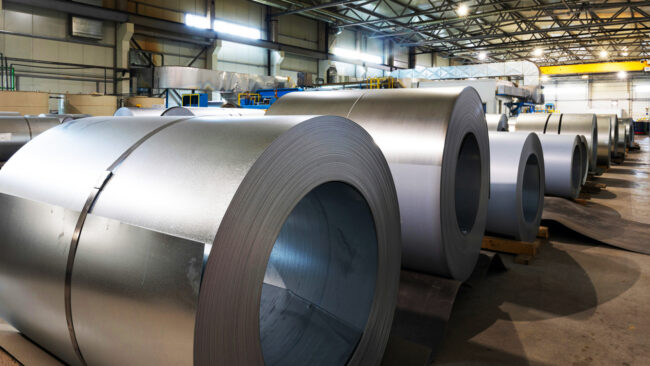
U.S. aluminum tariff policy must consider the full aluminum value chain. Downstream extruders and fabricators account for most aluminum manufacturing employment and are the key producers converting metal into critical products used in construction, transportation, machinery, electrical systems, packaging, defense, and other industrial markets.
Despite foreign currency gains against the dollar in top trading partners like Mexico, Vietnam and China, import values for goods came in at $309.01 billion. That is the second highest import value of the year following May’s $316.86 billion surge, the Bureau of Economic Analysis said on Tuesday.

Fertilizer, and access to it, is essential in maintaining the strength of the entire American agricultural sector. Mineral fertilizers are responsible for over half the food produced worldwide, and it has run up to 44 percent of corn operating costs and up to 45 percent of wheat operating costs since 2020. When fertilizer prices spike, they hit the crops that feed the country — and the livestock fed off those crops.
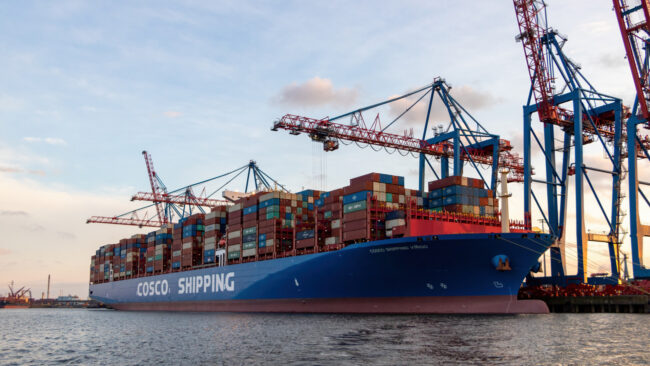
The 2026 Jones Act waiver has not been shown to meet its legal test, opened America’s coastwise trade to Chinese- and Russian-linked ships, and produced no demonstrated national fuel-price relief. It should expire on August 16.
The SHIPS for America Act treats the duty on tonnage chiefly as a sanctions tool – a penalty reserved for adversary-linked shipping – while leaving the standard duty at rates the Founders would have mistaken for a rounding error. Here is a ranking of selected landmark federal rates from 1789 to today, in 2026 dollars.

The Committee hearing on shipbuilding took place on July 22. Like everything else tied to global trade, China competition was the impetus to building a shipbuilding and modern port infrastructure industry domestically.

For the first time on record, the United States makes barely a quarter of the medicine it needs.
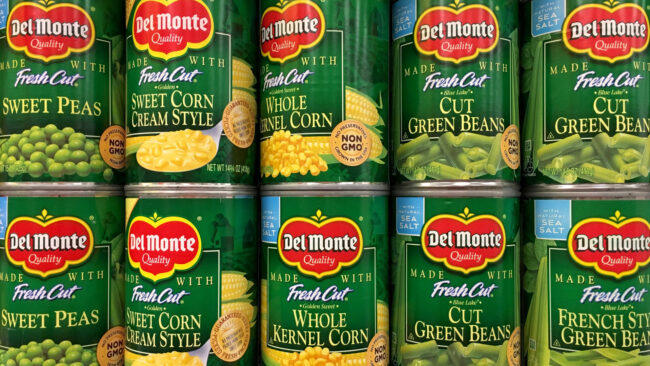
President Trump’s revision to the steel tariff in 2025 was meant to fix the tariff inversion problem – situations where we tariff steel imports, but not things made of steel. Putting a tariff on metal can imports, but not metal cans filled with food, is a perfect example of mindless tariff inversion driving offshoring. This precise problem was solved and settled in 1930, and Commerce and USTR can fix it at any time with existing authority.

Meanwhile, Others Call for Tariffs on Lamb Meat, Sugar and Steel-Making Ores